Dangerous Foods to Reheat: What Turns Toxic and Why
- Food Safety, Health & Wellness
- February 18, 2025
 Food Manifest
Key Update Bright colours are deeply woven into India’s food culture—from sweets and bakery items to beverages and street foods. However, many of these colours come from artificial food dyes, which have long raised food safety and health concerns. While India regulates the use of synthetic colours, enforcement gaps and misuse remain common. With global
READ MORE
Key Development As part of efforts to phase out petroleum-based synthetic food dyes, the US Food and Drug Administration (FDA) has approved beetroot red and expanded the permitted use of spirulina extract in food products. With this decision, the FDA has now approved six natural food colours under the current administration. Expanded Approval for Natural
READ MORE
Key Update Expressing concern over the health risks posed by microplastics in food and water packaged in plastic containers, a special division bench of the Madras High Court on Friday urged the Centre to mandate warning labels on such products. Impact on Pregnant Women and Future Generations The bench, comprising Justices N. Sathish Kumar and
READ MORE
Key Development Authorities have suspended the food safety licence of a highway motel in Thulukkapatti, along the Madurai–Tirunelveli national highway in Tamil Nadu, due to poor hygiene in kitchens. Inspection Reveals Poor Hygiene Following a tip-off, S. Mariappan, Virudhunagar district Food Safety Designated Officer, inspected the motel on Thursday. He found that the motel lacked
READ MORE
Have you ever cut an apple, left it on the counter for a few minutes, and noticed it slowly turning brown? Many people immediately assume that this colour change means the apple has gone bad or is unsafe to eat. In reality, the browning of apples is a natural chemical reaction called enzymatic browning—it’s not
READ MORE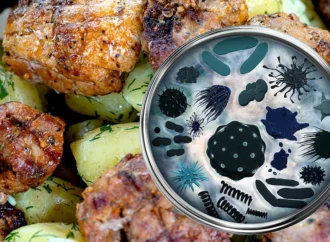
Key Development Suspected food poisoning led to the deaths of three inmates at a care home in Ernakulam district within a week, according to the Health Department. The Directorate of Health Services recorded the incident in the Integrated Disease Surveillance Programme (IDSP), making it one of the few officially documented food poisoning–related deaths in Kerala.
READ MORE




We act as your one-stop resource on the web for all things food, food safety and hygiene, and well-being.The Food Manifest team utilises the blog platform with the goal of increasing social awareness on the important issues of food safety and health.
C/o VManifest Private Limited.
Industrial Estate
Kalamassery, Kochi
Tel : 0484 3510629
foodmanifest@gmail.com