 Food Manifest
The house of resource for food safety.
carcinogens
- Home
- carcinogens

Toxic Dyes Found on Raw Chicken During Warangal Raids0
- A to Z, Food Hygiene, Food Safety, Health & Wellness, News
- March 11, 2026
Key Update Food safety officials in Warangal in Telangana, have uncovered the use of hazardous synthetic dyes on raw chicken at several retail outlets, raising serious concerns about food safety and public health. The food safety department conducted inspections along with members of the Consumer Rights Forum and found that some traders were applying artificial
READ MORE
Why Deli Ham Can Be Risky for Your Health0
- A to Z, Food Hygiene, Food Safety, Health & Wellness, News
- January 27, 2026
Overview The World Health Organisation classifies processed deli meats, such as deli ham, as Group 1 carcinogens. This classification places them in the same risk category as tobacco and asbestos because strong evidence links their regular consumption to cancer. Health Risks of Deli Ham Cancer risk: Eating processed meat regularly—even about 50 grams a day
READ MORE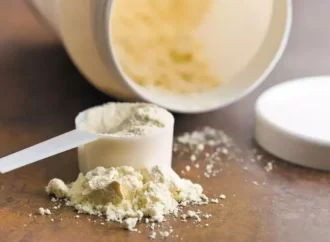
Protein Shakes Contaminated: Consumer Reports Flags High Lead Levels0
- A to Z, Food Hygiene, Food Safety, General, News
- October 15, 2025
Key Development Consumer Reports recently tested popular protein powders and ready-to-drink shakes sold in the United States and found unsafe levels of heavy metals, particularly lead. The investigation analysed 23 protein supplements available in the U.S., including dairy-based, beef-based, and plant-based products, and found that over two-thirds exceeded the safe daily lead limit of 0.5
READ MORE
Kerala Spiced with Poison?0
- A to Z, Food Hygiene, Food Safety, General, Health & Wellness, News
- August 18, 2025
Key Update The Food Safety Commissionerate in Kerala detected dangerous levels of chemicals in food samples collected between April 2024 and March 2025. Tests revealed artificial food colours, pesticides, preservatives, and contaminants. Some foods contained pesticide residues more than 3500% above the permitted limit, raising serious health concerns. Industrial Dyes and Carcinogens Found in Common
READ MORE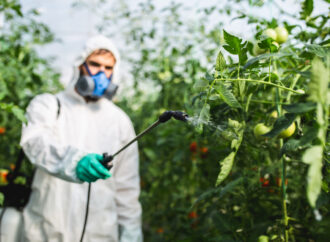
Kerala Faces Cancer Risk from Toxic Pesticides in Imported Vegetables0
- A to Z, Food Hygiene, Food Safety, Health & Wellness, News
- July 7, 2025
Vegetables imported from other states, laced with toxic pesticide residues including carcinogens, threaten public health in Kerala. Health experts warn that eating such contaminated produce daily may fuel Kerala’s rising cancer rates and other chronic diseases. Tests show that many vegetables sold in local markets, supermarkets, and roadside stalls exceed safe pesticide limits, exposing consumers
READ MORE
FDA Bans Red No. 3 Dye Linked to Cancer in Animals, Effective 20270
- A to Z, Food Hygiene, Food Safety, Health & Wellness, News
- January 16, 2025
On Wednesday, the U.S. Food and Drug Administration (FDA) announced that it would ban Red No. 3, a synthetic dye found in food and beverages, due to its cancer-causing effects in animals. The dye, which gives products like candy, cereals, fruit cocktails, and strawberry-flavoured milkshakes their bright red colour, has been linked to cancer in
READ MORE
Protein Powder : Is It Good For You?
- A to Z
- May 23, 2022
Street Food Safety in India: Challenges and Solutions
- Food Hygiene, Food Safety, News
- November 19, 2024
Latest Posts
-

-

Why Deli Ham Can Be Risky for Your Health
- A to Z, Food Hygiene, Food Safety, Health & Wellness, News
- January 27, 2026
-

-
Kerala Spiced with Poison?
- A to Z, Food Hygiene, Food Safety, General, Health & Wellness, News
- August 18, 2025
-

About Food Manifest
We act as your one-stop resource on the web for all things food, food safety and hygiene, and well-being.The Food Manifest team utilises the blog platform with the goal of increasing social awareness on the important issues of food safety and health.
Food Manifest
C/o VManifest Private Limited.
Industrial Estate
Kalamassery, Kochi
Contact Us
Tel : 0484 3510629
foodmanifest@gmail.com
Get In Touch With Us
Latest Posts
-

-

-

Can Refrigerated Food Cause Poisoning?
- A to Z, Food Hygiene, Food Safety, Health & Wellness, News
- April 1, 2026
-

-
Health & Welness
-

-
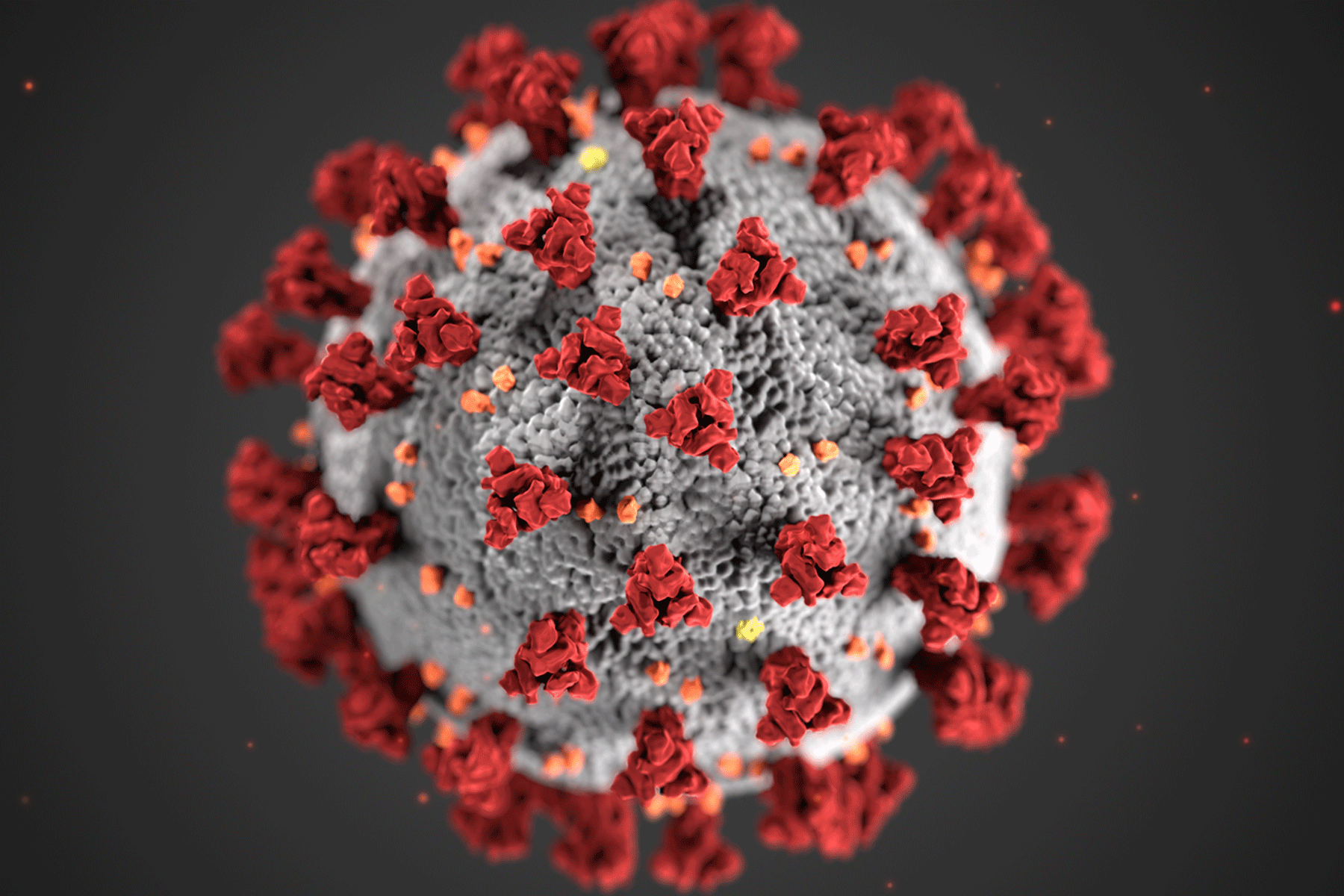
COVID and Coronavirus: Truth v/s Myth
- A to Z, General, Health & Wellness
- April 24, 2021
-
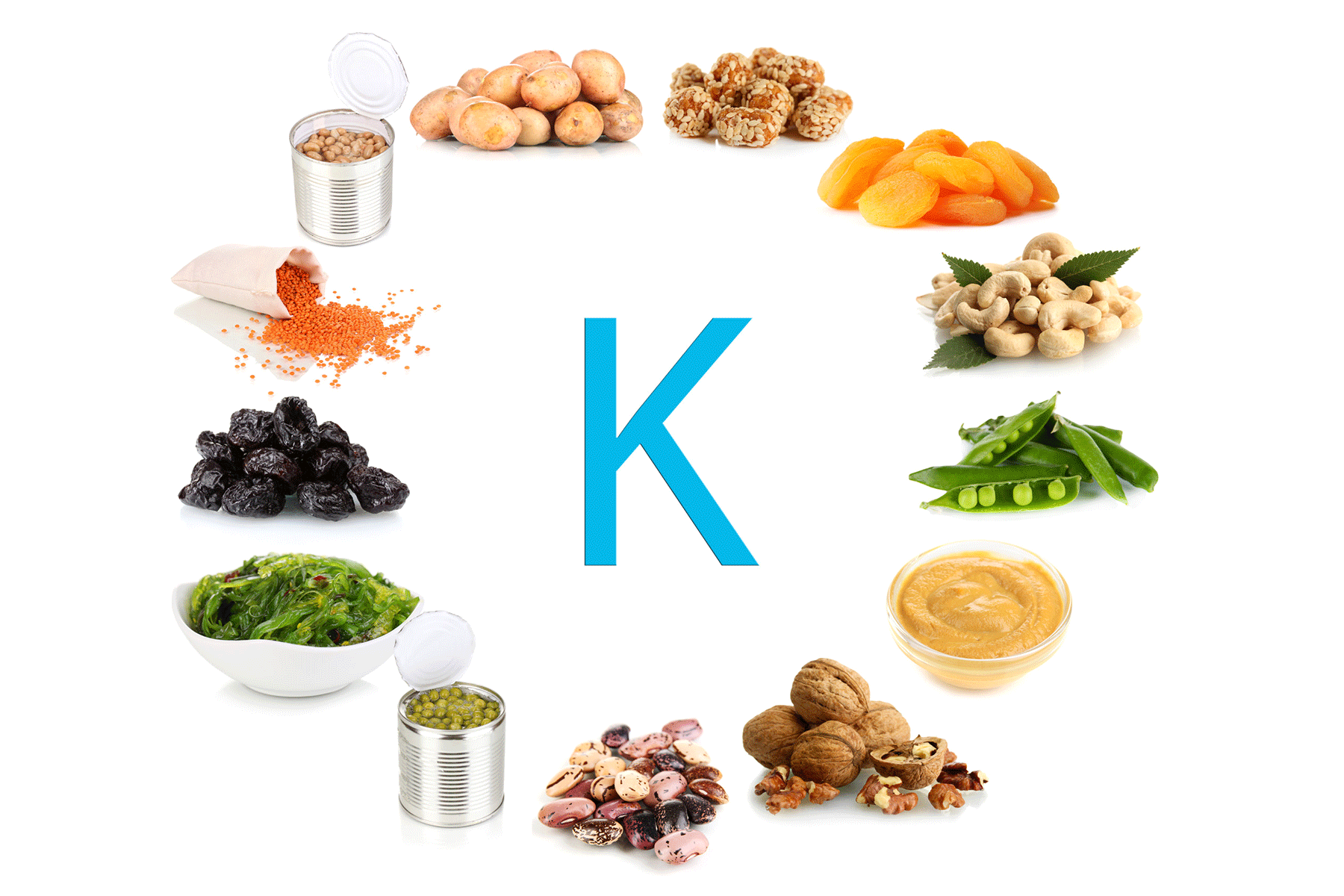
Potassium - What You Need To Know.
- A to Z, Health & Wellness
- August 1, 2021
© Copyright Food Manifest