 Food Manifest
Food safety guidance, regulations and best practice
Blog Template
- Home
- Blog Template

Starbucks Faces Lawsuit Over ‘Sugar-Free’ Protein Drinks0
- A to Z, Food Hygiene, Food Safety, Health & Wellness, News
- October 8, 2026
Key Update Starbucks is facing a class-action lawsuit in the US over eight protein beverages labelled “sugar-free” that contain 13 to 21 grams of sugar per venti serving. The lawsuit alleges that the drinks contain lactose, a naturally occurring sugar in milk. The products include sugar-free vanilla and caramel protein lattes and protein matchas, along
READ MORE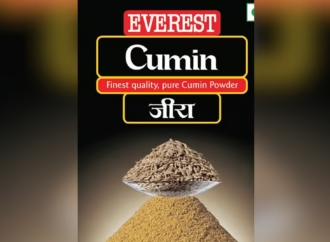
FSSAI Recalls Everest Cumin Powder Batch Over Excess Pesticide Residues0
- A to Z, Food Hygiene, Food Safety, Health & Wellness, News
- October 8, 2026
Key Update The Food Safety and Standards Authority of India (FSSAI) has ordered the immediate recall of a specific batch of pre-packed Everest cumin powder after laboratory tests found pesticide residues above the prescribed limits. The affected product is Batch No. E080668761. FSSAI declared the sample “UNSAFE” under the Food Safety and Standards Act, 2006,
READ MORE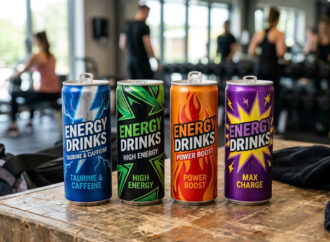
Delhi High Court Puts Energy Drink Label Ban on Hold0
- A to Z, Food Laws, Food Safety, Health & Wellness, News
- October 8, 2026
Key Update PepsiCo, Monster Beverage and Reliance Consumer Products Ltd. (RCPL) can continue using the “energy drink” label on their products in India after the Delhi High Court put a Food Safety and Standards Authority of India (FSSAI) directive on hold. The interim relief comes after the companies said the regulator’s order had disrupted their
READ MORE
Total Sugars vs Added Sugars: What Does the Label Really Tell You?0
- A to Z, Food Hygiene, Food Safety, General, Health & Wellness
- October 8, 2026
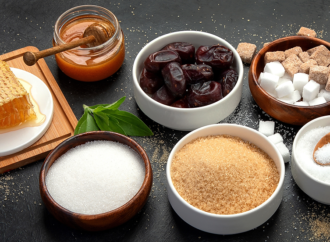
When you check a nutrition label, the word “sugars” may raise a simple question: Does the number include sugar naturally present in the food, or only the sugar added during processing? The answer lies in understanding the difference between total sugars and added sugars. Although both contribute to the sugar content of a food, they
READ MORE
FSSAI Flags Nestle Low Fat Dairy Whitener Sample; Company Disagrees0
- A to Z, Food Hygiene, Food Safety, Health & Wellness, News
- October 8, 2026
Key Update A laboratory analysis by the Food Safety and Standards Authority of India (FSSAI) has flagged a sample of Nestle’s Low Fat Dairy Whitener as unsafe and substandard. Food safety officials collected the sample from M/s Bharat Hotels Ltd. (The Lalit) in Connaught Place, New Delhi. An FSSAI notice confirmed the details. What the
READ MORE
Kerala Cracks Down on Reused Cooking Oil; 74 Eateries Shut0
- A to Z, Food Hygiene, Food Safety, Health & Wellness, News
- October 8, 2026
Key Update The Commissionerate of Food Safety in Kerala has launched a statewide enforcement drive to curb the health risks linked to repeatedly heated cooking oil. Through the two-day special drive, Operation Thelima, food safety officials targeted eateries and food businesses that repeatedly reuse frying oil. Repeatedly heating cooking oil changes its chemical composition and
READ MORE
Protein Powder : Is It Good For You?
- A to Z
- May 23, 2022
Street Food Safety in India: Challenges and Solutions
- Food Hygiene, Food Safety, News
- November 19, 2024

Latest Posts





About Food Manifest
We act as your one-stop resource on the web for all things food, food safety and hygiene, and well-being.The Food Manifest team utilises the blog platform with the goal of increasing social awareness on the important issues of food safety and health.
Food Manifest
C/o VManifest Private Limited.
Industrial Estate
Kalamassery, Kochi
Contact Us
Tel : 0484 3510629
foodmanifest@gmail.com
Get In Touch With Us
Latest Posts
Health & Welness
-

-

COVID and Coronavirus: Truth v/s Myth
- A to Z, General, Health & Wellness
- April 24, 2021
-
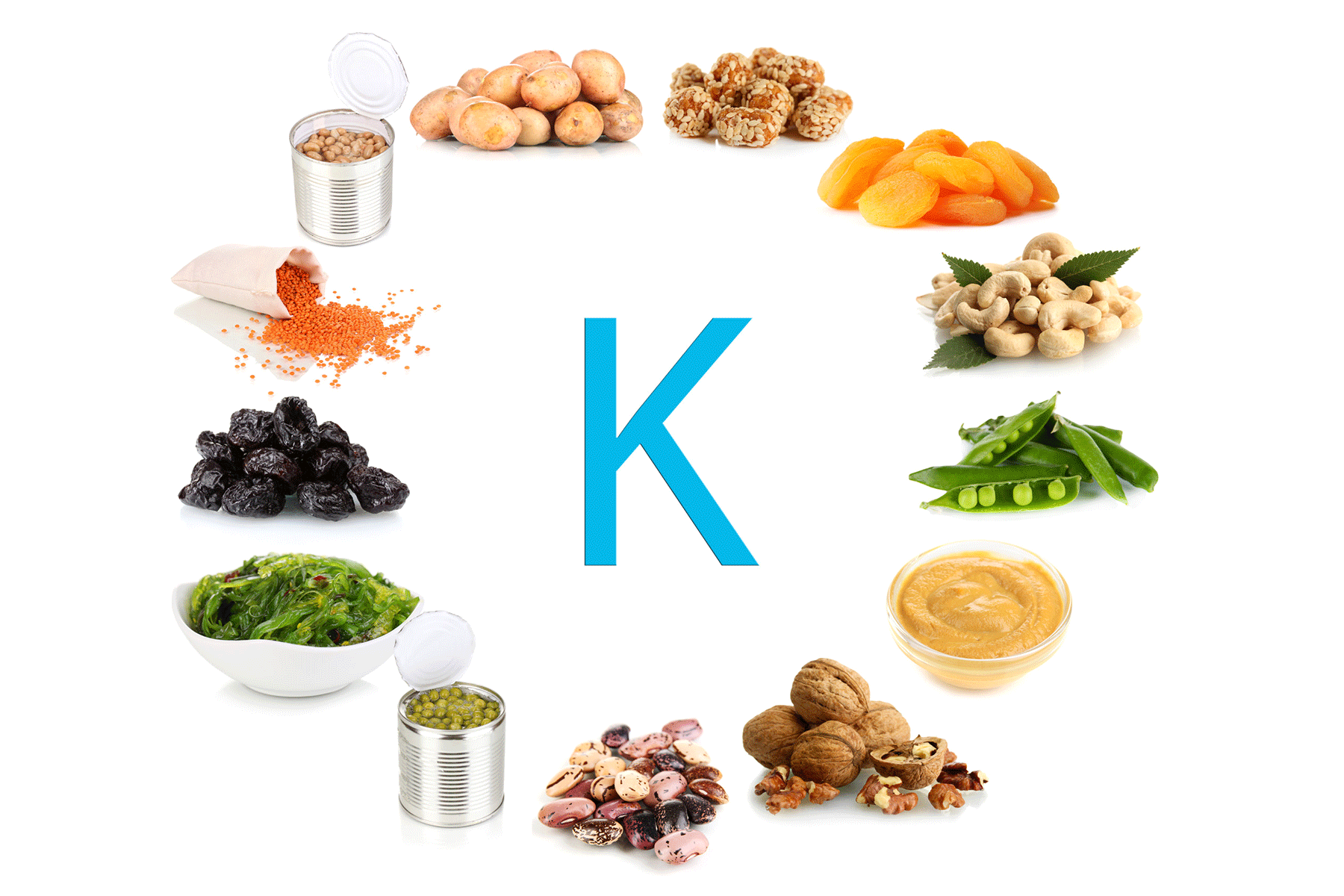
Potassium - What You Need To Know.
- A to Z, Health & Wellness
- August 1, 2021
© Copyright Food Manifest