 Food Manifest
The house of resource for food safety.
Blog 1 Column Left Sidebar
- Home
- Blog 1 Column Left Sidebar
Protein Powder : Is It Good For You?
- A to Z
- May 23, 2022
Street Food Safety in India: Challenges and Solutions
- Food Hygiene, Food Safety, News
- November 19, 2024
Latest Posts





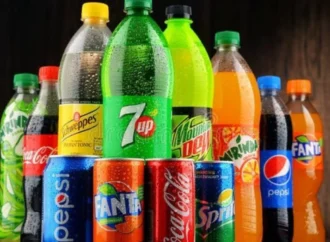
Indian Beverage Association (IBA) Pushes for Sugar-Based Tax System0
- A to Z, Event, Food Hygiene, Food Laws, Food Safety, Health & Wellness, News
- August 29, 2025
Key Development The Indian Beverage Association (IBA), representing leading soft drink makers, urged the finance ministry to adopt a sugar-based tax system for beverages. The association made this demand ahead of the GST Council meeting next month, where members will review tax rates on several goods. Current High Tax Rates The government taxes all aerated
READ MORE
India’s Sugar-to-Ethanol Push May Disrupt Food Chain and Safety0
- A to Z, Event, Food Hygiene, Food Safety, Health & Wellness, News
- July 28, 2025
Key Development India plans to divert nearly a quarter of its sugar output to ethanol production by 2034, a move that could reshape the food supply chain and raise concerns about long-term food safety and availability. The Organisation for Economic Co-operation and Development (OECD) and the Food and Agriculture Organisation (FAO) outlined these trends in
READ MORE
India’s Snacking Shift: Health-Conscious Choices0
- A to Z, Food Safety, Health & Wellness
- December 9, 2024
India’s food industry is undergoing a dynamic transformation as consumers actively prioritize health and wellness. A significant portion of the population is embracing mindful eating habits, opting for snacks and meals that deliver both nutrition and functionality without compromising on flavour. This shift stems from rising disposable incomes, urbanization, and a heightened awareness of preventive
READ MORE
India’s Shift to Ready-to-Cook Meals Gains Momentum0
- A to Z, Food Hygiene, Food Safety, Health & Wellness, News
- July 12, 2025
Overview More Indian households are turning to ready-to-cook (RTC) meals for the convenience and speed they offer. In just the past two years, over 18 million households have started using these products, making RTC the only packaged food category to double in volume. As this trend picks up, it brings with it a rising responsibility
READ MORE
India’s Shift to Healthier Eating Gains Momentum0
- Food Hygiene, Food Safety, General, Health & Wellness, News
- March 20, 2025
Report India’s preference for organic and unprocessed foods is rising rapidly, with 12 million online orders worth $35 million placed between September 2024 and February 2025. Consumers are actively seeking healthier, chemical-free alternatives, reflecting a strong shift in eating habits. Healthier Choices on the Rise According to Unicommerce, an e-commerce enablement platform, demand for nutritious
READ MORE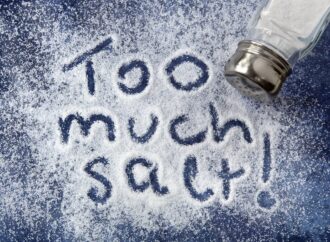
India’s Salt Problem: Scientists Push #PinchForAChange0
- A to Z, Food Hygiene, Food Laws, General, Health & Wellness, News
- July 16, 2025
Report Excessive salt intake is fueling a silent health crisis in India, increasing the risk of hypertension, stroke, heart disease, and kidney disorders, according to scientists at ICMR’s National Institute of Epidemiology (NIE). The World Health Organisation (WHO) recommends less than 5 grams of salt per person per day. However, studies show that urban Indians
READ MORE
About Food Manifest
We act as your one-stop resource on the web for all things food, food safety and hygiene, and well-being.The Food Manifest team utilises the blog platform with the goal of increasing social awareness on the important issues of food safety and health.
Food Manifest
C/o VManifest Private Limited.
Industrial Estate
Kalamassery, Kochi
Contact Us
Tel : 0484 3510629
foodmanifest@gmail.com
Get In Touch With Us
Latest Posts
Health & Welness
-

-

COVID and Coronavirus: Truth v/s Myth
- A to Z, General, Health & Wellness
- April 24, 2021
-
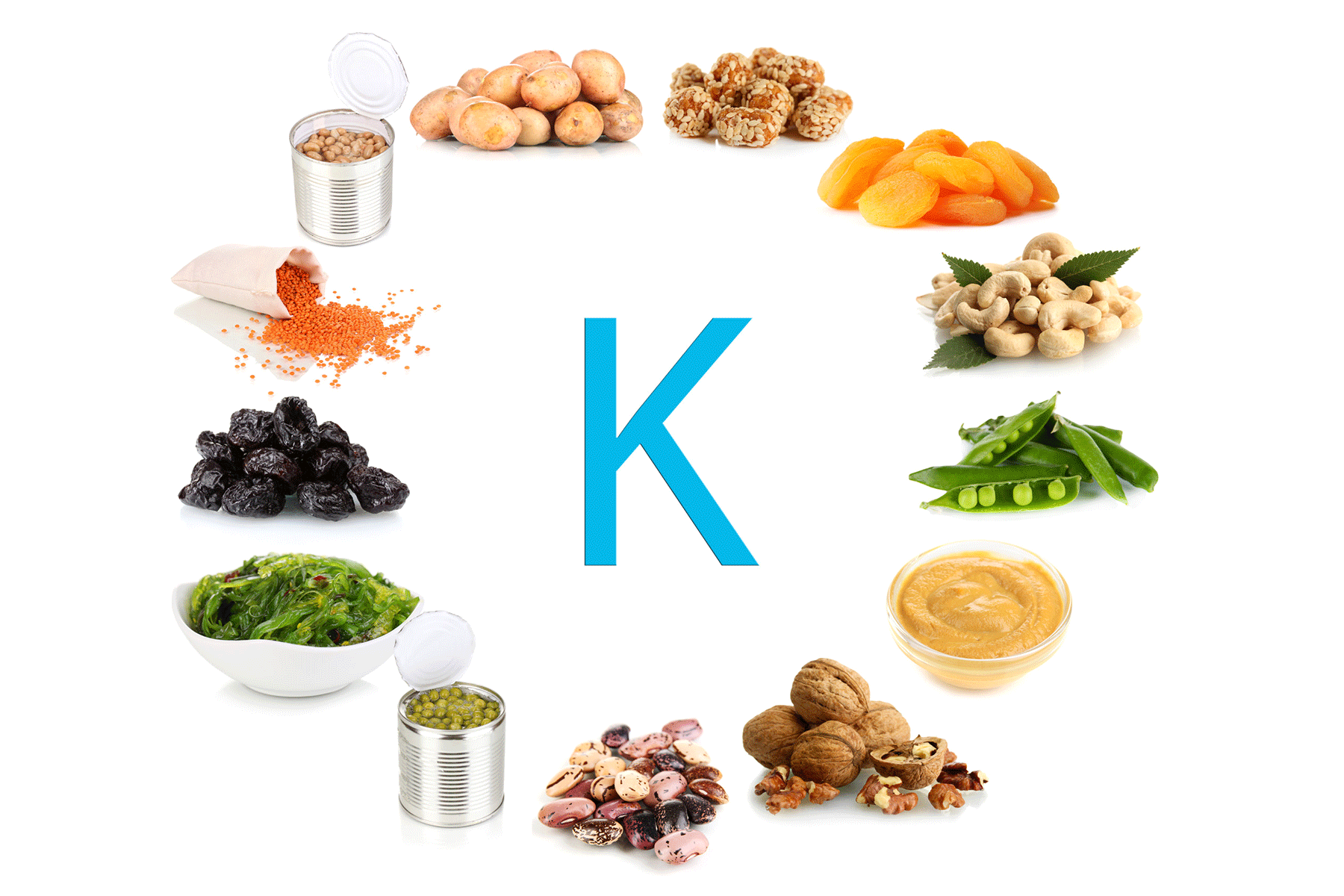
Potassium - What You Need To Know.
- A to Z, Health & Wellness
- August 1, 2021
© Copyright Food Manifest