 Food Manifest
The house of resource for food safety.
Blog 1 Column Left Sidebar
- Home
- Blog 1 Column Left Sidebar
Protein Powder : Is It Good For You?
- A to Z
- May 23, 2022
Street Food Safety in India: Challenges and Solutions
- Food Hygiene, Food Safety, News
- November 19, 2024
Latest Posts




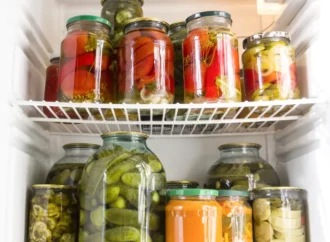
Why Glass Wins for Fridge Storage0
- A to Z, Food Hygiene, Food Safety, Health & Wellness, News
- August 27, 2025
Overview With sustainability in focus, glass containers are replacing plastic in many kitchens. They’re reusable, recyclable, and a smart step toward reducing single-use plastic. Glass is non-toxic and non-porous, so it won’t leach chemicals like BPA into food. What you store is exactly what you get—pure and uncontaminated. Unlike plastic, glass doesn’t stain or hold
READ MORE
Why Food Allergies Are Getting More Attention in Indian Children0
- A to Z, Food Hygiene, Food Safety, Health & Wellness, News
- March 25, 2026
Overview Food reactions in Indian children are being reported more often than before. These reactions may appear as skin rashes, stomach discomfort, or, in some cases, more serious symptoms that require medical attention in schools or clinics. Experts are still debating whether this reflects a real increase in allergies or simply better recognition. What is
READ MORE
Why Do Fruit Cakes Last So Long? Uncover the secret to their long shelf life!0
- A to Z, General, Health & Wellness
- February 5, 2025
Ever wondered why fruit cakes last so much longer than other cakes? While most cakes spoil within a few days or weeks, fruit cakes can stay fresh for months—even years! It’s not magic; it’s science. The secret lies in the ingredients and preservation methods. Sugar and alcohol act as natural preservatives, while dried fruits and
READ MORE
Why Disinfection is the Key to Ensuring Food Safety and Quality0
- A to Z
- April 8, 2025
Food safety is essential to protect consumers from foodborne illnesses, and disinfection plays a vital role in this process. While sanitization reduces harmful microorganisms to safe levels, disinfection goes further by eliminating these germs. This is particularly important in food preparation areas, where pathogens like Salmonella, E. coli, and Norovirus can cause serious health risks
READ MORE
Why Deli Ham Can Be Risky for Your Health0
- A to Z, Food Hygiene, Food Safety, Health & Wellness, News
- January 27, 2026
Overview The World Health Organisation classifies processed deli meats, such as deli ham, as Group 1 carcinogens. This classification places them in the same risk category as tobacco and asbestos because strong evidence links their regular consumption to cancer. Health Risks of Deli Ham Cancer risk: Eating processed meat regularly—even about 50 grams a day
READ MORE
Why Apples Turn Brown After Cutting — And What It Means for Food Safety0
- A to Z, Food Hygiene, Food Safety, General, Health & Wellness
- February 6, 2026
Have you ever cut an apple, left it on the counter for a few minutes, and noticed it slowly turning brown? Many people immediately assume that this colour change means the apple has gone bad or is unsafe to eat. In reality, the browning of apples is a natural chemical reaction called enzymatic browning—it’s not
READ MORE
About Food Manifest
We act as your one-stop resource on the web for all things food, food safety and hygiene, and well-being.The Food Manifest team utilises the blog platform with the goal of increasing social awareness on the important issues of food safety and health.
Food Manifest
C/o VManifest Private Limited.
Industrial Estate
Kalamassery, Kochi
Contact Us
Tel : 0484 3510629
foodmanifest@gmail.com
Get In Touch With Us
Latest Posts
Health & Welness
-

-
COVID and Coronavirus: Truth v/s Myth
- A to Z, General, Health & Wellness
- April 24, 2021
-
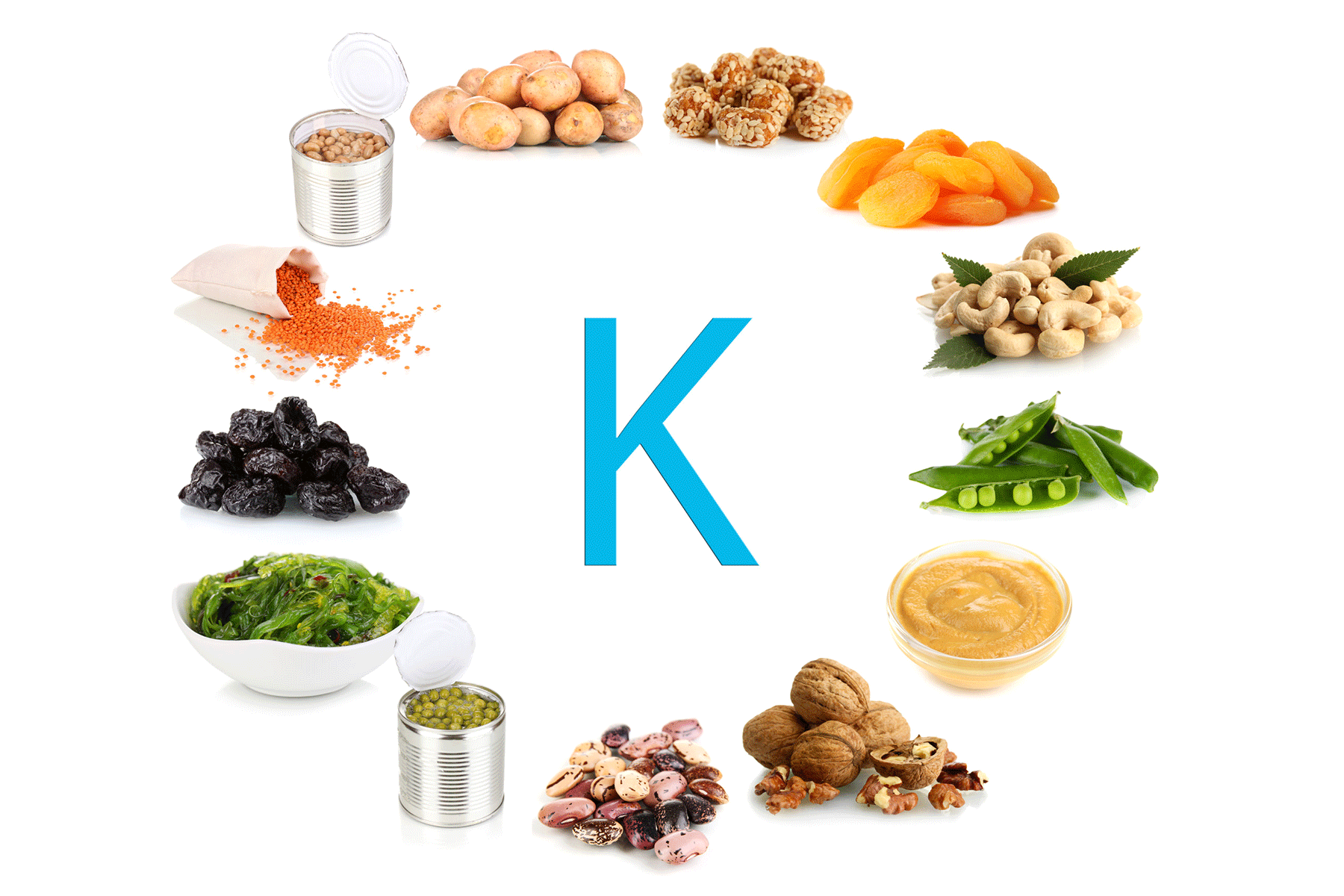
Potassium - What You Need To Know.
- A to Z, Health & Wellness
- August 1, 2021
© Copyright Food Manifest