 Food Manifest
The house of resource for food safety.
Blog 2 Columns Left Sidebar
- Home
- Blog 2 Columns Left Sidebar
Protein Powder : Is It Good For You?
- A to Z
- May 23, 2022
Street Food Safety in India: Challenges and Solutions
- Food Hygiene, Food Safety, News
- November 19, 2024
Latest Posts






Is There Lead in Your Turmeric?0
- Food Safety, General, Health & Wellness
- November 15, 2024
Turmeric, often called the “golden spice,” has long been praised for its vibrant colour and powerful health benefits. From boosting immunity to reducing inflammation, it’s a staple in kitchens and medicine cabinets worldwide. But recent reports have raised a troubling question: Is your turmeric contaminated with lead? Growing evidence suggests that turmeric, especially from certain
READ MORE
Kerala Leads with 26 ‘Eat Right’ Certified Railway Stations0
- A to Z
- November 15, 2024
Top State for Food Safety Kerala has emerged as the leader in India, with 26 railway stations now recognized for maintaining high food safety standards. The ‘Eat Right’ certification, awarded by the Food Safety and Standards Authority of India (FSSAI), ensures safe and hygienic food practices across the state’s stations. Nationwide, only 198 stations have
READ MORE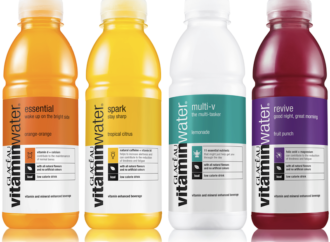
Coca-Cola to Launch Vitaminwater in India, Shaping the Future of Hydration0
- General, Health & Wellness, News
- November 15, 2024
Coca-Cola Set to Disrupt India’s Hydration Market with Vitaminwater Coca-Cola will launch Vitaminwater in India by the end of this year, expanding its premium portfolio with a nutrient-packed beverage. Available initially through quick commerce platforms, Vitaminwater will offer urban consumers easy access to healthy hydration options across top cities. Why Vitaminwater, Why Now? With increasing
READ MORE

Food Safety Officials Seize 19,000 Bottles of Substandard Water at Kachiguda Plant0
- Food Hygiene, Food Safety, News
- November 15, 2024
Major Crackdown on Fake Bottled Water Food safety officials raided the K2 King Aqua and Beverages plant in Kachiguda, Hyderabad on Thursday, November 14, 2024, and seized over 19,000 bottles of water that violated Food Safety and Standards (FSS) norms. The authorities acted on information about the company’s failure to meet water quality standards. TDS
READ MORE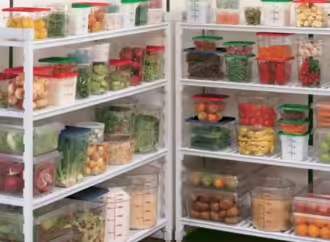
Maximize Freshness and Safety with these Food Storage Tips0
- Food Hygiene, Food Safety, General, Health & Wellness
- November 14, 2024
Food storage plays a crucial role in maintaining the freshness, taste, and safety of your meals. Whether you’re a home cook or a professional chef, knowing how to store food properly helps prevent spoilage, reduces waste, and protects against foodborne illnesses. Incorrect storage can lead to bacterial growth, which can cause serious health problems. By
READ MORE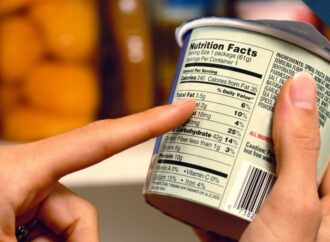
FSIC Urges Australians to Check Food Labels for Safety0
- Food Hygiene, Food Safety, Health & Wellness, News
- November 14, 2024
Report The Food Safety Information Council (FSIC) has urged Australians to check food labels and follow safety advice before cooking, ahead of Australian Food Safety Week from November 9 to 16. FSIC CEO Lydia Buchtmann pointed out that research shows only 30% of consumers consistently read cooking and storage instructions. The Impact of Not Following
READ MORE
About Food Manifest
We act as your one-stop resource on the web for all things food, food safety and hygiene, and well-being.The Food Manifest team utilises the blog platform with the goal of increasing social awareness on the important issues of food safety and health.
Food Manifest
C/o VManifest Private Limited.
Industrial Estate
Kalamassery, Kochi
Contact Us
Tel : 0484 3510629
foodmanifest@gmail.com
Get In Touch With Us
Latest Posts
Health & Welness
-

-

COVID and Coronavirus: Truth v/s Myth
- A to Z, General, Health & Wellness
- April 24, 2021
-
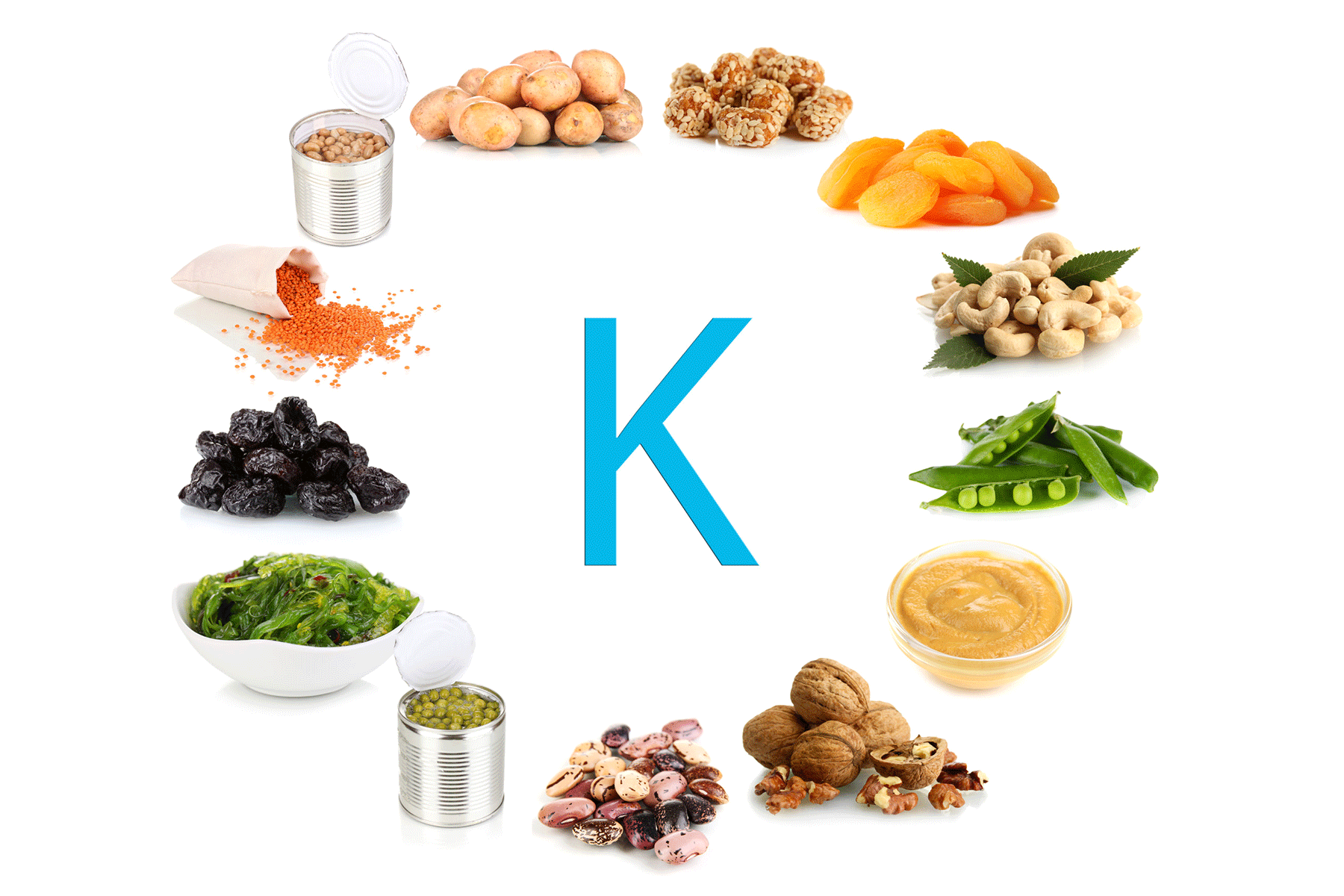
Potassium - What You Need To Know.
- A to Z, Health & Wellness
- August 1, 2021
© Copyright Food Manifest