 Food Manifest
The house of resource for food safety.
Blog 2 Columns Left Sidebar
- Home
- Blog 2 Columns Left Sidebar
Protein Powder : Is It Good For You?
- A to Z
- May 23, 2022
Street Food Safety in India: Challenges and Solutions
- Food Hygiene, Food Safety, News
- November 19, 2024
Latest Posts






Rats Infest Indira Canteen Master Kitchen, Raising Health Concerns in Mysuru0
- Food Hygiene, Food Safety, News
- November 14, 2024
Overview Rats have infested the Indira Canteen Master Kitchen at Alanahalli Circle in Mysuru, karnataka which supplies food to six Indira Canteens as part of Chief Minister Siddaramaiah’s initiative for affordable meals. Media reports show that, despite the kitchen being generally well-maintained, at least 10 rats moved between the idli stand, exhaust ducts, and stove.
READ MORE
Tainted Turmeric: Alarming Lead Levels Found in South Asian Spice0
- Food Hygiene, Food Safety, News
- November 14, 2024
Lead Contamination in South Asian Turmeric A recent study reveals high lead levels in various turmeric samples sold in India, Nepal, and Pakistan, with some exceeding 1,000 micrograms per gram (µg/g) per dose, far above regulatory limits. The Food Safety and Standards Authority of India (FSSAI) caps the allowable lead content in turmeric at 10
READ MORE
Emulsifiers in Food: How They Work and What They Mean for Your Health0
- Food Safety, General, Health & Wellness
- November 13, 2024
Emulsifiers are essential food additives that help us enjoy a wide variety of processed and packaged foods with stable textures, extended shelf lives, and consistent quality. They allow ingredients that usually don’t mix—like oil and water—to combine seamlessly. Emulsifiers play a key role in modern food production, and you can find them in products like
READ MORE

FSSAI Investigates Golgappas for Contamination in Karnataka0
- Food Hygiene, Food Safety, Health & Wellness, News
- November 13, 2024
Report Weeks after discovering synthetic dyes and cancer-causing agents in tamarind sauces and chutneys served with panipuri, Karnataka officials from the Food Safety and Standards Authority of India (FSSAI) are now investigating another popular street food — golgappa — for potential contamination. Sample Collection Across Karnataka FSSAI officials have collected nearly 150 samples from various
READ MORE
Worms Found on Pizza Spark Outrage0
- Food Hygiene, Food Safety, News
- November 13, 2024
Report A video showing live worms crawling on a pizza from a restaurant in Madhya Pradesh has caused outrage and raised serious concerns about food safety and hygiene, with many calling for stricter regulations. Disturbing Footage Surfaces Online In a shocking incident, a disturbing video has emerged, allegedly showing live worms wriggling on top of
READ MORE
FSSAI Demands E-Commerce Platforms Follow Food Safety Rules for Consumer Health0
- Food Hygiene, Food Laws, Food Safety, News
- November 13, 2024
Report The Food Safety and Standards Authority of India (FSSAI) has urged all quick commerce and e-commerce platforms to adhere to food safety regulations during a meeting held on November 12. Immediate Compliance or Penalties As per reports, FSSAI directed the platforms to comply immediately with these regulations or face penalties. The food safety authority
READ MORE
About Food Manifest
We act as your one-stop resource on the web for all things food, food safety and hygiene, and well-being.The Food Manifest team utilises the blog platform with the goal of increasing social awareness on the important issues of food safety and health.
Food Manifest
C/o VManifest Private Limited.
Industrial Estate
Kalamassery, Kochi
Contact Us
Tel : 0484 3510629
foodmanifest@gmail.com
Get In Touch With Us
Latest Posts
Health & Welness
-

-

COVID and Coronavirus: Truth v/s Myth
- A to Z, General, Health & Wellness
- April 24, 2021
-
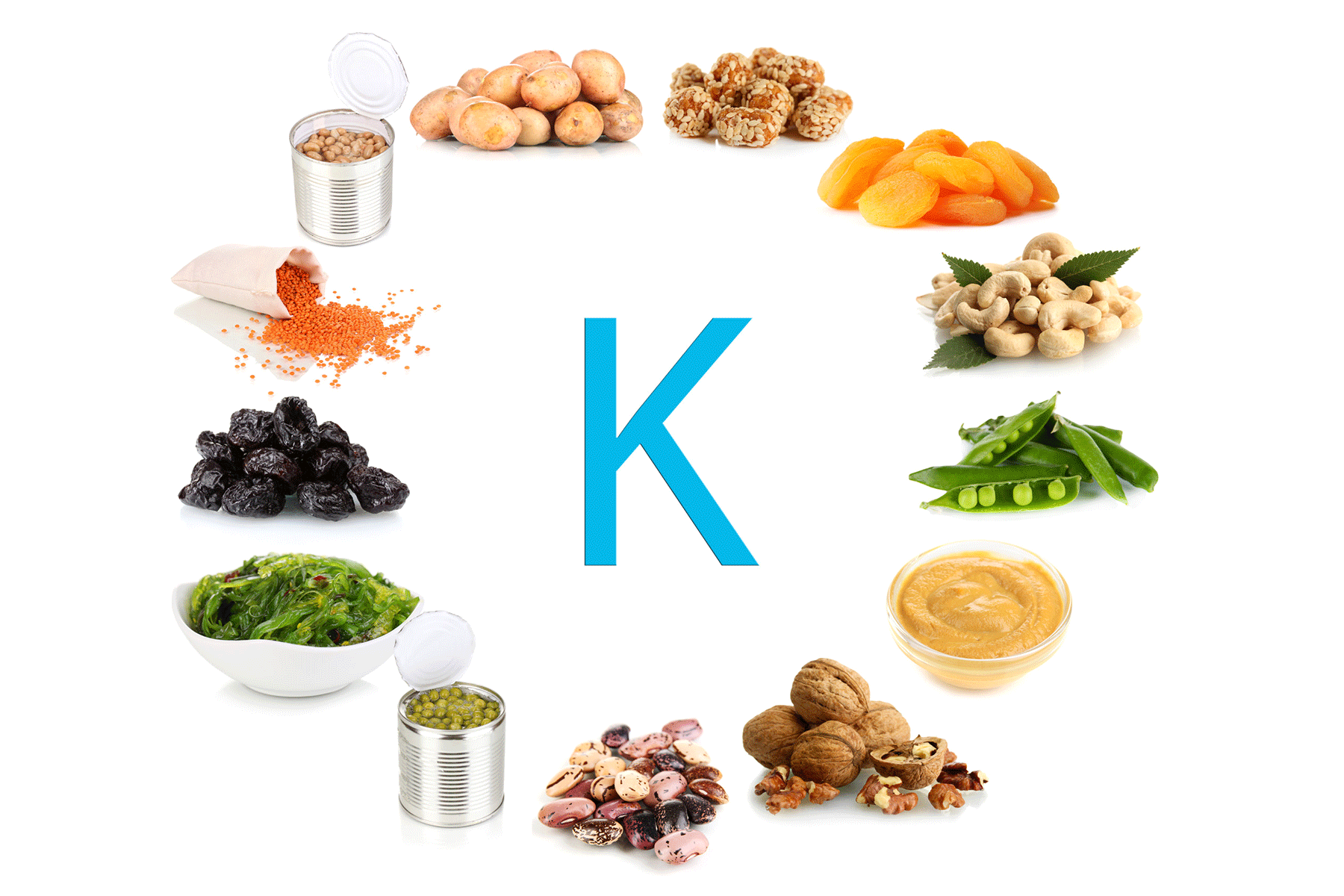
Potassium - What You Need To Know.
- A to Z, Health & Wellness
- August 1, 2021
© Copyright Food Manifest