 Food Manifest
The house of resource for food safety.
FSSAI
- Home
- FSSAI
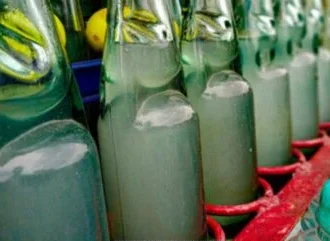
Haridwar Soda Units Busted for Using Toilet Water, Unsafe Ingredients0
- A to Z, Food Hygiene, Food Safety, General, Resources
- July 1, 2025
Report Food safety officials from Uttarakhand raided two soda manufacturing units in Haridwar Industrial Area and Nirmali Chawani near the railway station on Wednesday. Acting ahead of the Kanwar Mela, an annual pilgrimage travel, the department found both units producing soda using toilet tap water and harmful chemicals like sodium benzoate, posing serious health risks.
READ MORE
Bengaluru Eateries asked to Stop Real Food Displays—Here’s Why0
Overview The Bengaluru Hoteliers Association has directed restaurants to stop placing real cooked dishes or food samples on display to attract customers at entrances and billing counters. Customers and the Food Safety and Standards Authority of India (FSSAI) raised concerns that these samples, which restaurants throw away at the end of each day, lead to
READ MORE
FSSAI Orders 100% Check of Packaged Water Units in Maharashtra0
- A to Z, Food Hygiene, Food Safety, Health & Wellness, News
- June 30, 2025
Report The Food Safety and Standards Authority of India (FSSAI) has ordered a 100% inspection of all packaged water unit facilities in Maharashtra to strengthen public health protections. The directive was issued during a recent review meeting, according to an FSSAI statement. FSSAI CEO G Kamala Vardhana Rao emphasised the importance of conducting compliance audits
READ MORE
Viral Video Sparks Debate on Indian Street Food Hygiene0
- A to Z, Food Hygiene, Food Safety, General, Health & Wellness, News
- June 30, 2025
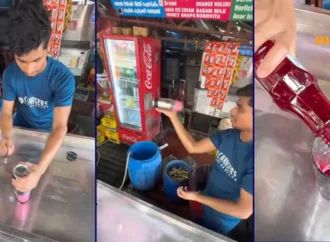
Report A video claiming to show the cleanest Indian street food has gone viral, racking up nearly 5 million views on X (formerly Twitter). The clip features a street vendor preparing a rose-syrup drink at an unusually clean and organised stall, challenging common perceptions about hygiene in India’s street food scene. The vendor works with
READ MORE
Kerala Cracks Down on Fake Health Cards in Food Sector0
- A to Z, Food Hygiene, Food Safety, General, Health & Wellness, News, Resources
- June 30, 2025
Report Kerala Health Minister Veena George has directed the Health Department to carry out statewide inspections of health cards held by employees in hotels, restaurants, and other food businesses. The decision comes after reports that a catering unit in Pathanamthitta had secured fake health cards for all its staff through a laboratory. Under the Food
READ MORE
GHMC Inspects Hospital Kitchens Across Hyderabad0
- A to Z, Event, Food Hygiene, Food Laws, Food Safety, Health & Wellness, News
- June 26, 2025
Report The Greater Hyderabad Municipal Corporation (GHMC) food safety officers carried out surprise inspections at 75 hospital kitchens across Hyderabad on Tuesday. They collected 14 food samples and sent them to the State Food Laboratory in Nacharam for detailed analysis. Acting on instructions from the GHMC Commissioner, food safety officers began unannounced inspections of hospital
READ MORE
Protein Powder : Is It Good For You?
- A to Z
- May 23, 2022
Street Food Safety in India: Challenges and Solutions
- Food Hygiene, Food Safety, News
- November 19, 2024
Latest Posts



About Food Manifest
We act as your one-stop resource on the web for all things food, food safety and hygiene, and well-being.The Food Manifest team utilises the blog platform with the goal of increasing social awareness on the important issues of food safety and health.
Food Manifest
C/o VManifest Private Limited.
Industrial Estate
Kalamassery, Kochi
Contact Us
Tel : 0484 3510629
foodmanifest@gmail.com
Get In Touch With Us
Latest Posts
-

-

-

-

-
Can Refrigerated Food Cause Poisoning?
- A to Z, Food Hygiene, Food Safety, Health & Wellness, News
- April 1, 2026
Health & Welness
-

-

COVID and Coronavirus: Truth v/s Myth
- A to Z, General, Health & Wellness
- April 24, 2021
-
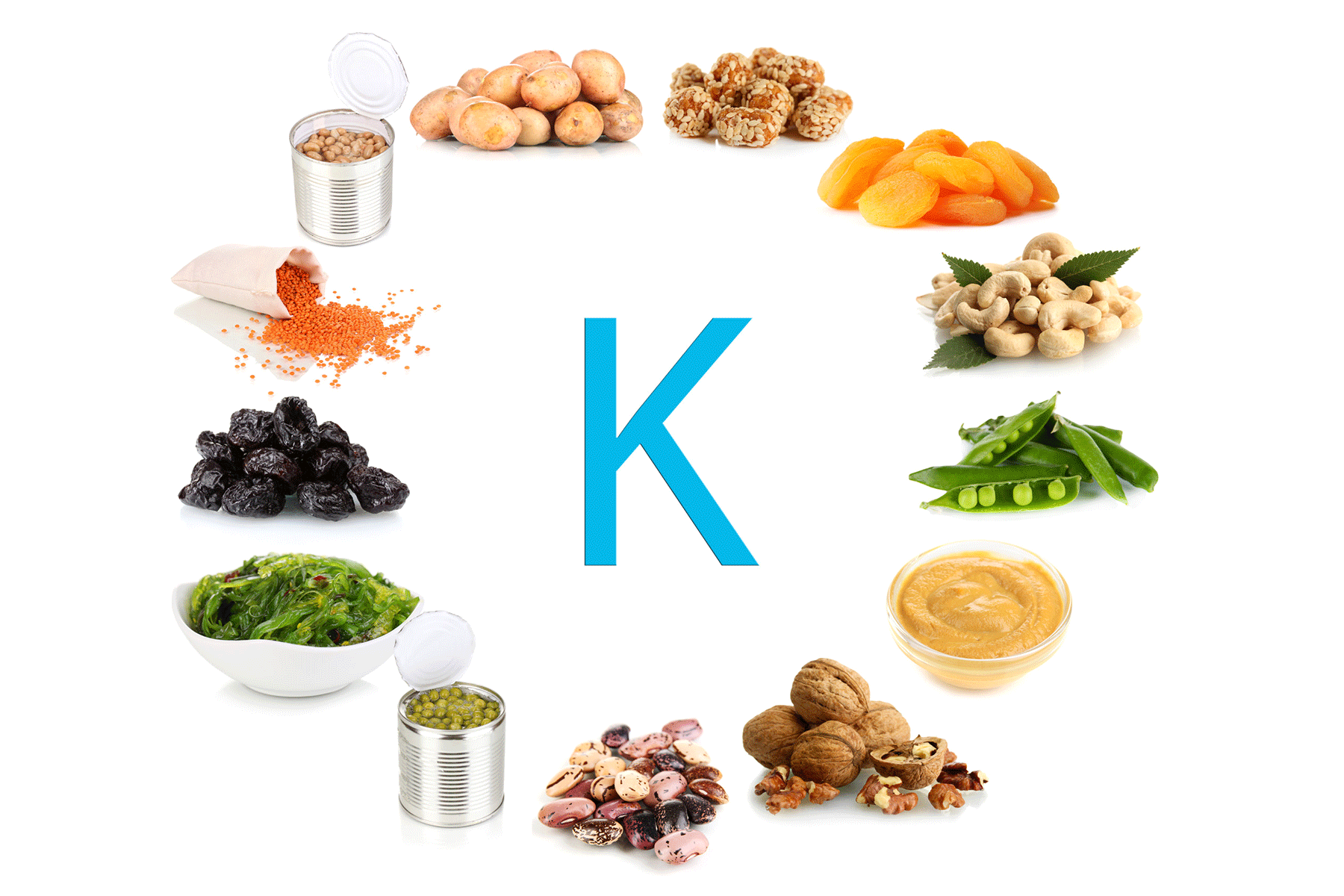
Potassium - What You Need To Know.
- A to Z, Health & Wellness
- August 1, 2021
© Copyright Food Manifest