 Food Manifest
The house of resource for food safety.
Blog 1 Column Left Sidebar
- Home
- Blog 1 Column Left Sidebar
Protein Powder : Is It Good For You?
- A to Z
- May 23, 2022
Street Food Safety in India: Challenges and Solutions
- Food Hygiene, Food Safety, News
- November 19, 2024

Latest Posts





Why Your Steel Plate Can Be a Food Safety Risk0
- A to Z, Food Hygiene, Food Safety, Health & Wellness, News
- January 9, 2026
Steel plates and tumblers are everywhere in Indian kitchens. From homes and restaurants to hostels and temples, steel is trusted for its strength, durability, and ease of cleaning. Because it does not crack, melt, or visibly spoil, we often assume steel is automatically safe for food. This blind trust, however, can be misleading. Food safety
READ MORE
Why You Should Never Ignore Pink or Red Egg Whites0
- A to Z, Food Hygiene, Food Safety, Health & Wellness, News
- January 28, 2026
Overview Cracking an egg usually reveals a clear or slightly cloudy white and a firm yellow yolk. If the egg white appears pink, red, green, grey, or iridescent, it is a warning of bacterial contamination and should never be consumed. Normal vs Unsafe Egg Whites A fresh egg white (albumen) may look slightly cloudy due
READ MORE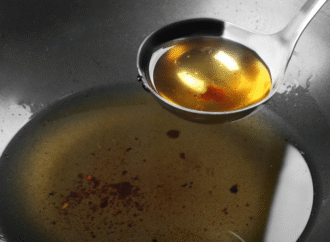
Why You Should Avoid Reusing Oil0
- A to Z, Food Hygiene, Food Safety, Health & Wellness, News
- December 10, 2025
Key Update Many assume oil is safe as long as it looks clear, but repeated heating triggers chemical changes that reduce its quality and safety. High temperatures, oxygen, moisture, and leftover food particles speed up breakdown. The oil becomes darker, thicker, and loses its smoke point, causing it to burn faster. Even when it looks
READ MORE
Why WHO Recommends Eating Cooked Food ‘Immediately’0
- A to Z, Food Laws, Food Safety, Health & Wellness
- June 11, 2024
Learn about bacterial growth, nutrient retention, and the economic impact. Prioritize your health by following this golden rule.
READ MORE
Why Total Polar Matter (TPM) is Key to Cooking Oil Quality0
- A to Z, Food Laws, Food Safety, Health & Wellness
- January 13, 2025
Total Polar Matter (TPM) serves as a crucial indicator of cooking oil quality and safety, especially when frying. TPM measures the extent of oil degradation when exposed to high temperatures. By monitoring TPM, you can ensure that the oil stays safe for cooking while preserving the flavour, texture, and nutritional value of the food you
READ MORE
Why the Food Cold Chain Matters: Keeping Food Fresh and Safe0
- A to Z
- May 14, 2025
When you pick up fresh produce, milk, or a frozen pizza from the store, have you ever wondered how it stays fresh and safe? The answer lies in the food cold chain. This system ensures that perishable food stays safe, fresh, and high-quality by keeping it at the right temperature from farm to table. The
READ MORE
About Food Manifest
We act as your one-stop resource on the web for all things food, food safety and hygiene, and well-being.The Food Manifest team utilises the blog platform with the goal of increasing social awareness on the important issues of food safety and health.
Food Manifest
C/o VManifest Private Limited.
Industrial Estate
Kalamassery, Kochi
Contact Us
Tel : 0484 3510629
foodmanifest@gmail.com
Get In Touch With Us
Latest Posts
Health & Welness
-

-

COVID and Coronavirus: Truth v/s Myth
- A to Z, General, Health & Wellness
- April 24, 2021
-
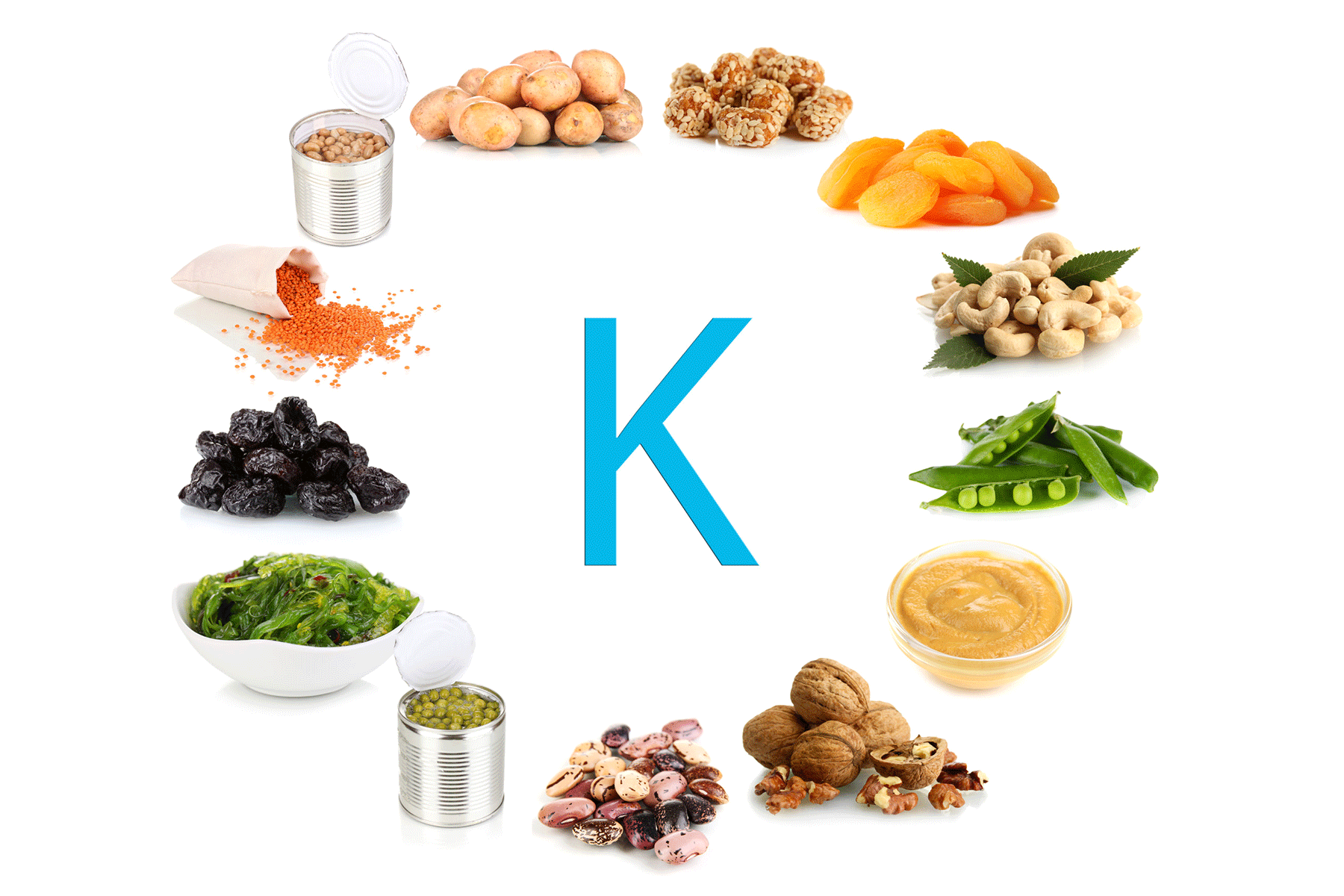
Potassium - What You Need To Know.
- A to Z, Health & Wellness
- August 1, 2021
© Copyright Food Manifest