 Food Manifest
The house of resource for food safety.
A to Z
- Home
- A to Z

Improper Chicken Disposal Sparks Food Safety Action in Tirupati0
- A to Z, Food Hygiene, Food Safety, Health & Wellness, News
- February 23, 2026
Key Update Chandradandu Prakash Naidu, Chairman of the Meat Development Corporation of Andhra Pradesh Limited, raised serious concerns over the improper chicken disposal by retail outlets in Tirupati, warning that such negligence could pose significant health risks to residents. On Sunday, he conducted surprise inspections at several meat shops in Tirupati and found that some
READ MORE
Andhra Pradesh set to inaugurate Advanced Food Testing Lab in Tirumala0
- A to Z, Food Hygiene, Food Safety, Health & Wellness, News
- February 23, 2026
Key Update The Andhra Pradesh government will soon inaugurate a state-of-the-art food testing lab in Tirumala to ensure the highest quality standards for Srivari prasadam and food served to devotees. Health Minister Y. Satya Kumar Yadav announced that the ₹25 crore project is nearing completion, with nearly 90% of construction and installation work finished. The
READ MORE
Over 30,000 Kg of Expired Amul Products Destroyed in Jaipur0
- A to Z, Food Hygiene, Food Safety, Health & Wellness, News
- February 23, 2026
Key Update The Food Safety Department has destroyed over 30,000 kilograms of allegedly expired Amul products at a warehouse in Jaipur, Rajasthan. Officials acted as part of an ongoing drive against food adulteration and to enforce food safety regulations. Authorities have scheduled the next batch of expired products for destruction on Monday. Surprise Inspection Following
READ MORE

Seafood on Your Plate, Risk in Your Gut?0
- A to Z, Food Hygiene, Food Safety, General, Health & Wellness
- February 20, 2026
Seafood is an important part of a balanced diet, valued for its high-quality protein, omega-3 fatty acids and essential nutrients. However, when fish and shellfish are improperly handled, stored or prepared, they can become a serious source of foodborne illness. Health experts warn that seafood poisoning is often dismissed as a minor digestive issue, but
READ MORE
Six Students Fall Ill After Lizard Tail Found in Soft Drink in Tiruchi0
- A to Z, Food Hygiene, Food Safety, Health & Wellness
- February 20, 2026
Key Update Six students of a government college in Tiruchi in Tamil Nadu were hospitalised on February 18, 2026, after consuming a soft drink purchased from the college canteen that allegedly contained an animal part. Doctors admitted them to the Mahatma Gandhi Memorial Government Hospital (MGMGH) after they reported nausea. Authorities discharged the students the
READ MORE
Adulterated Coconut Oil Row: SHRC Steps In as Farmers Demand Crackdown0
- A to Z, Food Hygiene, General, Health & Wellness, News
- February 20, 2026
Key Update The alleged large-scale manufacture and sale of adulterated coconut oil in north Kerala has raised serious food safety concerns. Acting on complaints, the State Human Rights Commission (SHRC) has directed the Food Safety Commissioner to conduct an urgent inquiry and submit a report within 15 days. The intervention highlights the potential public health
READ MORE
Latest Posts



About Food Manifest
We act as your one-stop resource on the web for all things food, food safety and hygiene, and well-being.The Food Manifest team utilises the blog platform with the goal of increasing social awareness on the important issues of food safety and health.
Food Manifest
C/o VManifest Private Limited.
Industrial Estate
Kalamassery, Kochi
Contact Us
Tel : 0484 3510629
foodmanifest@gmail.com
Get In Touch With Us
Latest Posts
Health & Welness
-

-
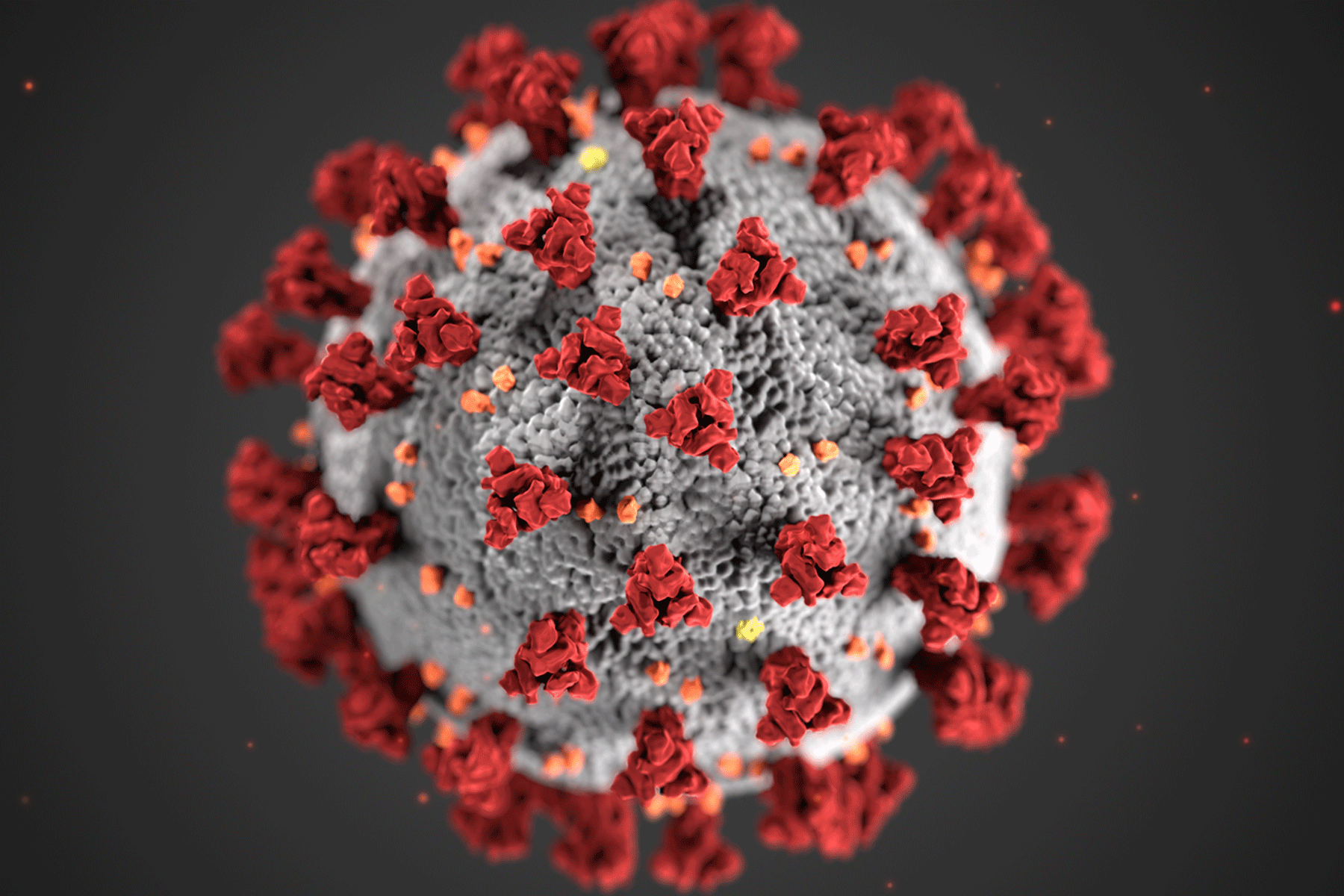
COVID and Coronavirus: Truth v/s Myth
- A to Z, General, Health & Wellness
- April 24, 2021
-
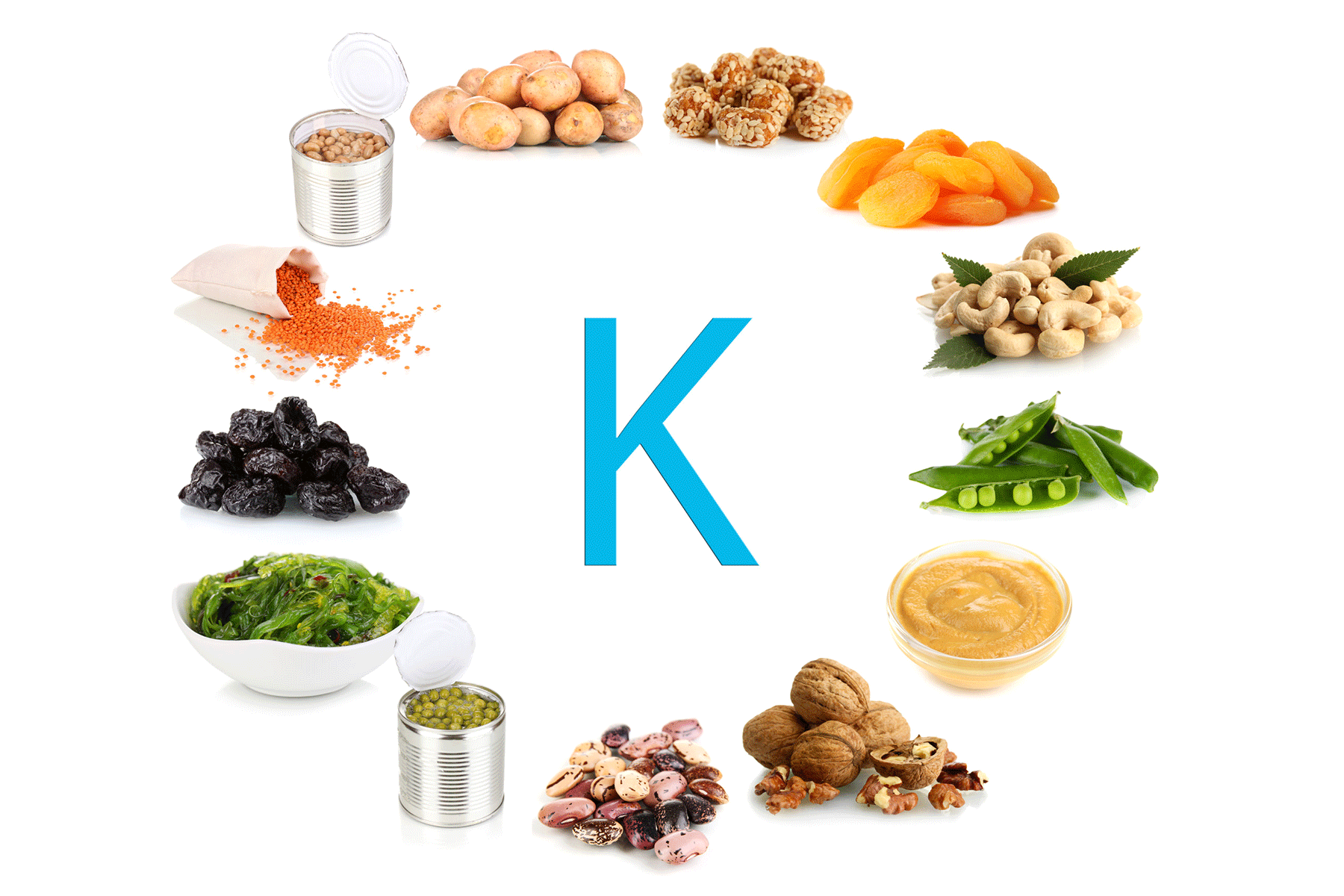
Potassium - What You Need To Know.
- A to Z, Health & Wellness
- August 1, 2021
© Copyright Food Manifest