 Food Manifest
Food safety guidance, regulations and best practice
food colours
- Home
- food colours
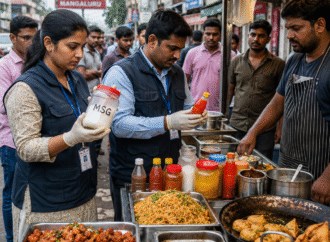
Mangaluru Street Food Crackdown: MSG Seized, Banned Colours Flagged0
- A to Z, Food Hygiene, Food Safety, Health & Wellness, News
- July 27, 2026
Key Update The Mangaluru City Corporation (MCC) has stepped up its food safety enforcement drive, uncovering multiple violations at street food stalls across the city. The inspections, aimed at protecting public health, resulted in the seizure of prohibited ingredients and penalties for vendors violating food safety regulations. MSG Seized from Street Food Stalls During an
READ MORE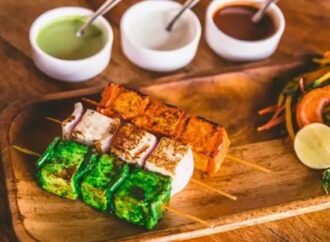
Artificial Food Colours Continue to Slip into Bengaluru Street Food0
- Food Hygiene, Food Safety, General, Health & Wellness, News
- June 17, 2026
Key Update Despite Karnataka’s ban on several artificial food colours, many street food vendors in Bengaluru continue to use them in kebabs, tandoori dishes, sweets, and other popular foods. The Food Safety and Standards Authority of India (FSSAI) has taken action against the use of artificial colours in recent years. In 2024, authorities banned Rhodamine
READ MORE
Safe Sweets for Diwali: Citywide Inspections in Madurai0
- A to Z, Food Hygiene, Food Laws, Health & Wellness, News
- October 10, 2025
Key Update Ahead of Diwali, the Madurai district administration has ordered all sweet makers and food vendors to comply with food safety rules. Acting on directives from the Chennai Food Safety Commissioner, officials have begun inspections across the district. District Designated Officer (Food Safety) G. Selvaraj warned that violators will face legal action. Vendors Must
READ MORE
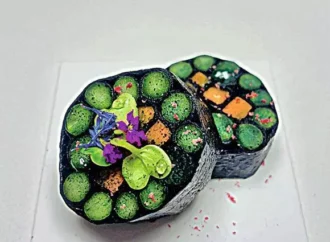
India Embraces Algae-Based Natural Food Colours to Replace Synthetic Dyes0
- A to Z, Food Hygiene, Food Safety, Health & Wellness, News
- September 16, 2025
Overview India is increasingly turning to microalgae-derived pigments as natural alternatives to synthetic food dyes, which have raised health concerns globally. Traditional Indian cuisine has long relied on natural ingredients like turmeric and saffron for colour, but industrialisation introduced synthetic dyes linked to potential toxicity. Health Risks and New Rules Boost Natural Colour Shift Microalgae
READ MORE
Empire Restaurant in Bengaluru Faces Trouble as Tests Confirm Banned Food Colours0
- A to Z, Event, Food Hygiene, Food Safety, Health & Wellness, News
- July 30, 2025
Key Development Bengaluru’s popular Empire restaurant chain, already under the scanner for serving unsafe chicken kebabs, now faces deeper scrutiny as lab reports confirm the presence of banned food colours in its dishes. The State Food Laboratory has found Sunset Yellow—a synthetic food dye banned in kebabs by the Karnataka government—in samples collected from multiple
READ MORE
Mobile Lab Strengthens Food Adulteration Testing in the Idukki0
- Event, Food Safety, Health & Wellness, News
- February 14, 2025
Report The Food Safety Department in Kerala’s Idukki district has strengthened mobile lab inspections to detect food adulteration. The public can bring food samples—either from home or purchased from shops—for free testing. In January, officials conducted 304 tests and identified 10 substandard samples. They stated that people would receive test results within 10 minutes. The
READ MORE
Protein Powder : Is It Good For You?
- A to Z
- May 23, 2022
Street Food Safety in India: Challenges and Solutions
- Food Hygiene, Food Safety, News
- November 19, 2024
Latest Posts



About Food Manifest
We act as your one-stop resource on the web for all things food, food safety and hygiene, and well-being.The Food Manifest team utilises the blog platform with the goal of increasing social awareness on the important issues of food safety and health.
Food Manifest
C/o VManifest Private Limited.
Industrial Estate
Kalamassery, Kochi
Contact Us
Tel : 0484 3510629
foodmanifest@gmail.com
Get In Touch With Us
Latest Posts
-
Red Bull Challenges FSSAI Ban on ‘Energy Drink’ Label
- A to Z, Food Hygiene, Food Laws, Health & Wellness, News
- September 29, 2026
-

-

India Proposes 50-Metre Curbs on HFSS Foods Near Schools
- A to Z, Food Hygiene, Food Safety, Health & Wellness, News
- September 28, 2026
-

-
FSSAI Moves to Single-Phase Front-of-Pack Nutrition Warnings
- A to Z, Food Hygiene, General, Health & Wellness, News
- September 25, 2026
Health & Welness
-
-
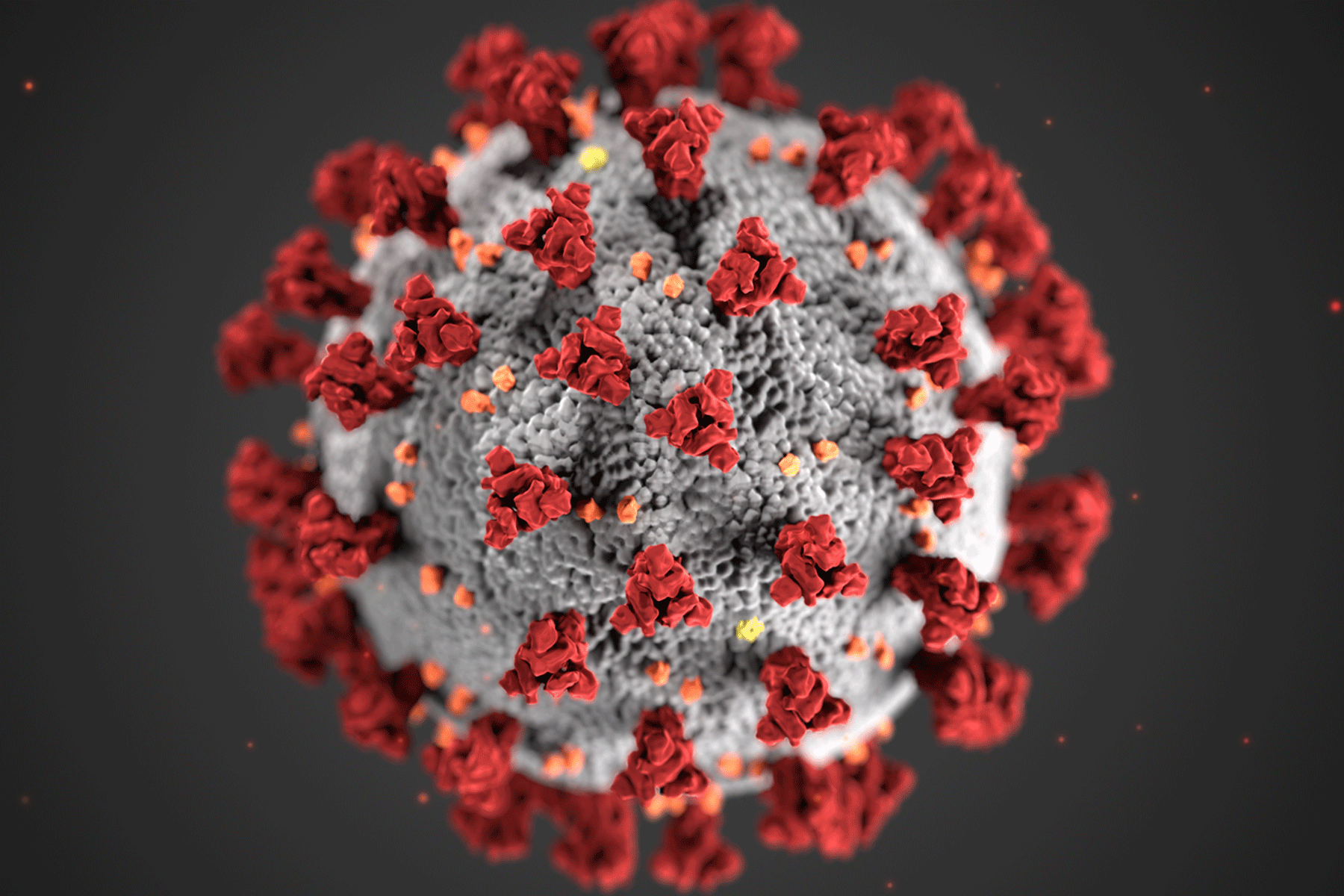
COVID and Coronavirus: Truth v/s Myth
- A to Z, General, Health & Wellness
- April 24, 2021
-
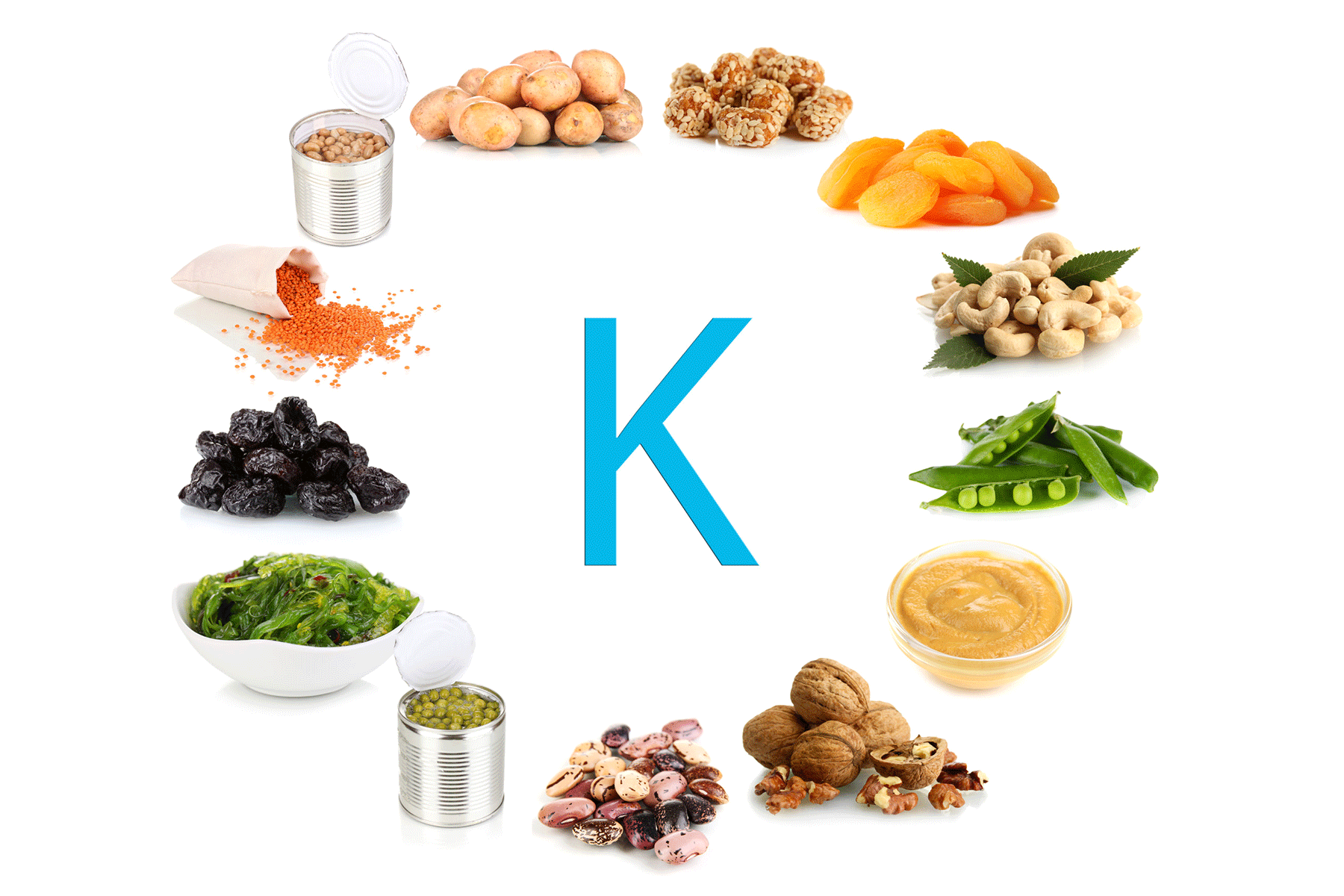
Potassium - What You Need To Know.
- A to Z, Health & Wellness
- August 1, 2021
© Copyright Food Manifest