Food Manifest

Key Update
Uttar Pradesh’s Food Safety and Drug Administration (FSDA) has tightened food colouring guidelines, prohibiting vendors from adding colours to chutneys and banning non-food-grade industrial dyes in food products. The move follows concerns over the use of dyes such as Rhodamine B in street foods, sweets and snacks.
The guidelines advise vendors to use natural ingredients such as tomatoes, beetroot, mint and coriander to achieve the desired colour in chutneys served with samosas, chaat, momos and rolls. They also prohibit industrial dyes in cotton candy, ice lollies, chicken tikka, kebabs, chaap and fried fish.
Where Can Food Businesses Use Colours?
Food businesses can use only permitted food-grade colours in specified food categories and within prescribed limits. Under the Food Safety and Standards Regulations, 2011, certain sweets, confectionery and bakery products can contain permitted artificial colours, generally up to 100 mg per kg, subject to category-specific requirements. However, the regulations prohibit colour addition to several everyday foods, including milk, plain curd, paneer, fresh fruits and vegetables, natural fruit juices, cereals, pulses, flour, ground spices, edible oils, honey, infant foods and cooked dishes such as dal, biryani and chutney.
Stricter Controls on Food Colours
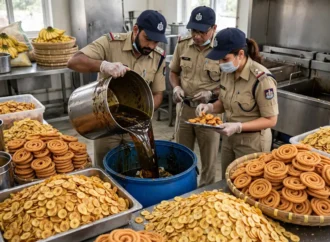
The FSDA has directed food businesses to purchase colours from authorised suppliers, check product labels and maintain purchase records and batch details. Vendors must use suitable digital weighing scales to measure permitted colours accurately instead of estimating quantities with spoons or pinches. They must also avoid unlabelled chemicals and loose colours from unauthorised sources. The guidelines identify industrial dyes such as Rhodamine B, Metanil Yellow, Malachite Green, and Sudan dyes as prohibited substances in food. These dyes can pose health risks, including toxic effects and potential organ damage.
Food businesses that violate the rules may face penalties under the Food Safety and Standards Act, 2006. Depending on the offence, authorities can impose fines, order corrective action or initiate prosecution. The FSDA has directed sweet shops, bakeries, restaurants, hotels, food manufacturers and street vendors to comply with the guidelines.
Source: The Indian Express