 Food Manifest
The house of resource for food safety.
Blog 1 Column Left Sidebar
- Home
- Blog 1 Column Left Sidebar
Protein Powder : Is It Good For You?
- A to Z
- May 23, 2022
Street Food Safety in India: Challenges and Solutions
- Food Hygiene, Food Safety, News
- November 19, 2024
Latest Posts





Unsafe Street Food May Trigger Hepatitis, Warns Gastro Specialist0
- A to Z, Food Hygiene, Food Safety, Health & Wellness, News
- February 17, 2026
Key Development From pani puri and momos to chaat and kebabs, street food is a guilty pleasure many of us happily give in to. The flavours feel irresistible, and the experience feels authentic. But when vendors ignore hygiene, these quick bites can expose you to serious health risks. In a February 10 YouTube podcast with
READ MORE
Unsafe Spices: MDH and Everest Brands Under Scrutiny in Rajasthan0
- A to Z, Food Laws, Food Safety, News
- June 14, 2024
The contamination of spices with harmful substances raises serious health concerns, and authorities are taking steps to address the issue.
READ MORE
Unsafe Snacks from Kerala Found in Karnataka: FSSAI Issues Health Warning0
- A to Z, Food Hygiene, Food Safety, News
- November 12, 2024
Overview The Food Safety and Standards Authority of India (FSSAI) in Karnataka has flagged 31 snack items from Kerala as unsafe after testing revealed harmful substances, including carcinogens. Snacks such as chakli, nippattu, chips, and murukku contained excessive artificial colourants and other dangerous additives. Unsafe Snacks Identified FSSAI tested 140 food samples entering Karnataka from
READ MORE
Unsafe Meals Again: Centre Orders Checks After AP Hostel Incidents0
- A to Z, Food Hygiene, Food Safety, Health & Wellness, News
- December 2, 2025
Key Update The Centre on Monday said it has taken serious note of recent food and water contamination incidents in government school hostels across Andhra Pradesh. After several students fell ill, authorities carried out special inspections in all state-run hostels to assess hygiene and food safety conditions. In the Lok Sabha, Minister of State for
READ MORE
Unsafe Kitchens and Auditoriums raises alarm in Kasaragod0
- A to Z, Food Hygiene, Health & Wellness
- October 22, 2025
Key Update The State Cooking Workers’ Union in Kasaragod reported that several auditoriums in the district operate without valid food safety and health certificates, as well as catering licenses. The union urged the Health and Food Safety Department to take strict action against these widespread violations to protect public health. They also pointed out that
READ MORE
Unraveling the Nestlé Baby Food Sugar Controversy0
- A to Z, Food Safety, News
- April 19, 2024
In recent times, Nestlé, a renowned name in the realm of baby food, has found itself embroiled in controversy surrounding the presence of sugar in its products. This article aims to dissect the nuances of this issue, exploring how sugar became a focal point of concern for Nestlé’s baby food range.
READ MORE
About Food Manifest
We act as your one-stop resource on the web for all things food, food safety and hygiene, and well-being.The Food Manifest team utilises the blog platform with the goal of increasing social awareness on the important issues of food safety and health.
Food Manifest
C/o VManifest Private Limited.
Industrial Estate
Kalamassery, Kochi
Contact Us
Tel : 0484 3510629
foodmanifest@gmail.com
Get In Touch With Us
Latest Posts
Health & Welness
-

-

COVID and Coronavirus: Truth v/s Myth
- A to Z, General, Health & Wellness
- April 24, 2021
-
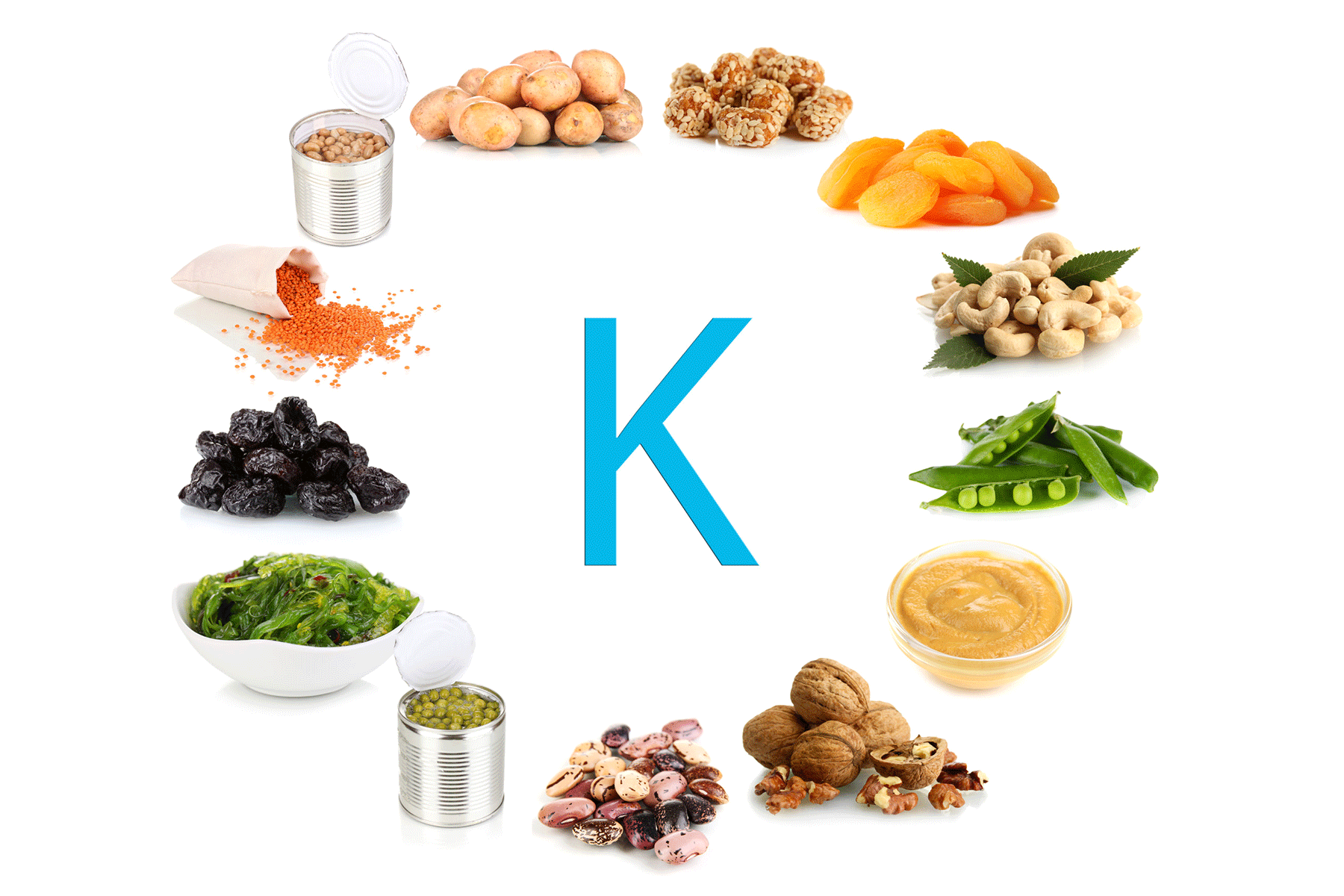
Potassium - What You Need To Know.
- A to Z, Health & Wellness
- August 1, 2021
© Copyright Food Manifest