 Food Manifest
The house of resource for food safety.
Blog Template
- Home
- Blog Template
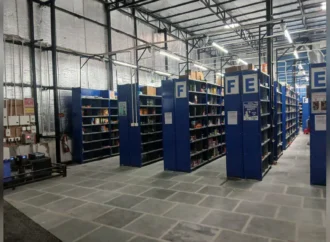
AICPDF Calls for Minimum Space Limits, Separate Rules for Dark Stores0
- A to Z, Food Hygiene, Food Safety, Health & Wellness, News
- August 18, 2026
Significant Update The All India Consumer Products Distributors Federation (AICPDF) has urged the Food Safety and Standards Authority of India (FSSAI) to prescribe minimum storage-space requirements for quick-commerce dark stores based on the number of products they handle. AICPDF proposes space norms based on SKUs In a letter to Union Health Minister J P Nadda,
READ MORE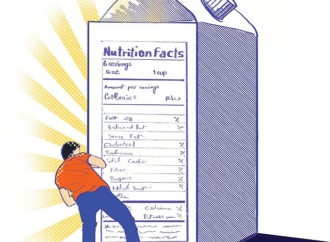
What’s Really in Your Pack? Why India Needs Front-of-Pack Warning Labels0
- A to Z, Food Hygiene, Food Laws, Food Safety, Health & Wellness
- August 18, 2026
Walk through any supermarket aisle, and you will see packets carrying claims such as “healthy,” “natural,” “multigrain,” “high protein” and “no added sugar.” Yet the information consumers need to assess a product’s nutritional profile often sits in a small table on the back of the pack. Front-of-pack nutrition labelling (FOPNL) brings some of that information
READ MORE
Food Testing Goes Mobile: NABL’s First Accreditation Scheme0
- A to Z, Food Hygiene, Food Safety, Health & Wellness, News
- August 17, 2026
Key Update The National Accreditation Board for Testing and Calibration Laboratories (NABL) has launched India’s first accreditation scheme for mobile food testing laboratories. The initiative aims to make reliable, quality-assured and internationally benchmarked food testing services more accessible to communities. The Ministry of Commerce and Industry said the scheme will help extend accredited food testing
READ MORE
Onam Squad on Alert: Kerala Steps Up Food Safety Checks Ahead of Onam0
- A to Z, Food Hygiene, Food Safety, Health & Wellness, News
- August 17, 2026
Key Update Kerala has intensified food safety inspections ahead of the Onam season to prevent adulterated, unsafe and substandard food from reaching consumers. Health and Devaswom Minister K. Muraleedharan said on Sunday that the Food Safety Department has conducted 5,016 inspections across the State since launching the ‘Onam Squad’ campaign on July 27. Officials issued
READ MORE
Think Railway Station Water Is Safe? CAG Finds E. coli Contamination0
- A to Z, Food Hygiene, Food Safety, Health & Wellness, News
- August 17, 2026
Key Update Drinking water samples from water coolers at eight railway stations across four railway zones tested positive for E. coli, raising concerns about the safety of drinking water available to passengers, according to a recent report by the Comptroller and Auditor General of India (CAG). The CAG conducted the audit to assess passenger amenities
READ MORE
FSSAI Tightens ‘High’ Fat, Sugar and Salt Rules for Foods Around Schools0
- A to Z, Food Hygiene, Food Safety, Health & Wellness, News
- August 14, 2026
Key Update The Food Safety and Standards Authority of India (FSSAI) has proposed a new system to classify foods as high in added fat, added sugar and salt, intending to strengthen food standards for schoolchildren. FSSAI issued the proposal through a draft notification dated August 10, 2026, seeking to amend the Food Safety and Standards
READ MORE
Protein Powder : Is It Good For You?
- A to Z
- May 23, 2022
Street Food Safety in India: Challenges and Solutions
- Food Hygiene, Food Safety, News
- November 19, 2024
Latest Posts
-

Sabarimala Prasadam: FSSAI Flags Safety Gaps; TDB Acts
- A to Z, Food Hygiene, Food Safety, Health & Wellness, News
- September 24, 2026
-

-

Can Food Allergens Travel Through the Air?
- A to Z, General, Health & Wellness
- September 24, 2026
-

Can Good-Looking Food Nudge Us Towards Healthier Choices?
- A to Z, Food Hygiene, Food Safety, Health & Wellness, News
- September 23, 2026
-

About Food Manifest
We act as your one-stop resource on the web for all things food, food safety and hygiene, and well-being.The Food Manifest team utilises the blog platform with the goal of increasing social awareness on the important issues of food safety and health.
Food Manifest
C/o VManifest Private Limited.
Industrial Estate
Kalamassery, Kochi
Contact Us
Tel : 0484 3510629
foodmanifest@gmail.com
Get In Touch With Us
Latest Posts
-
Sabarimala Prasadam: FSSAI Flags Safety Gaps; TDB Acts
- A to Z, Food Hygiene, Food Safety, Health & Wellness, News
- September 24, 2026
-
-
Can Food Allergens Travel Through the Air?
- A to Z, General, Health & Wellness
- September 24, 2026
-
Can Good-Looking Food Nudge Us Towards Healthier Choices?
- A to Z, Food Hygiene, Food Safety, Health & Wellness, News
- September 23, 2026
-
Health & Welness
-

-

COVID and Coronavirus: Truth v/s Myth
- A to Z, General, Health & Wellness
- April 24, 2021
-
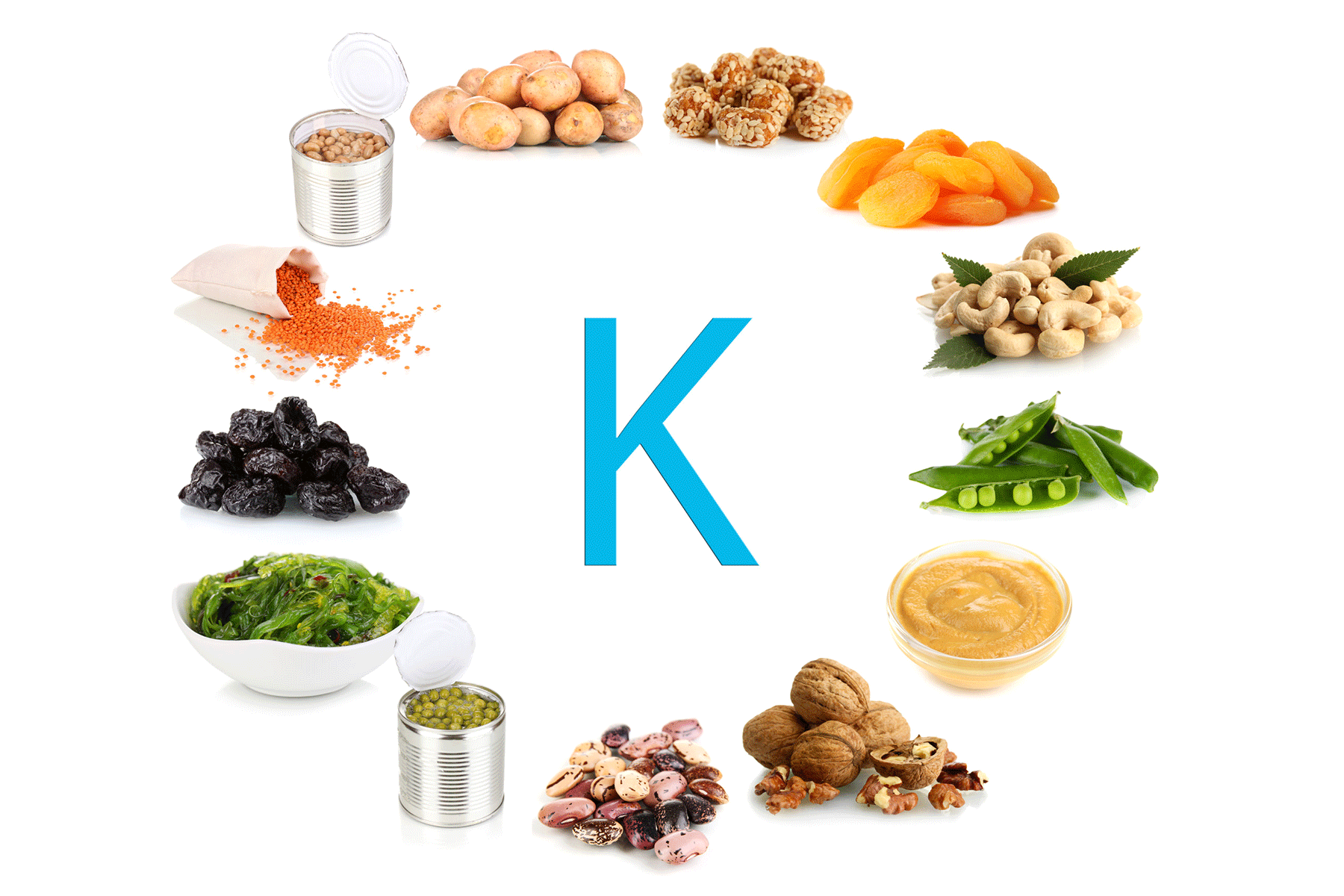
Potassium - What You Need To Know.
- A to Z, Health & Wellness
- August 1, 2021
© Copyright Food Manifest