Food Manifest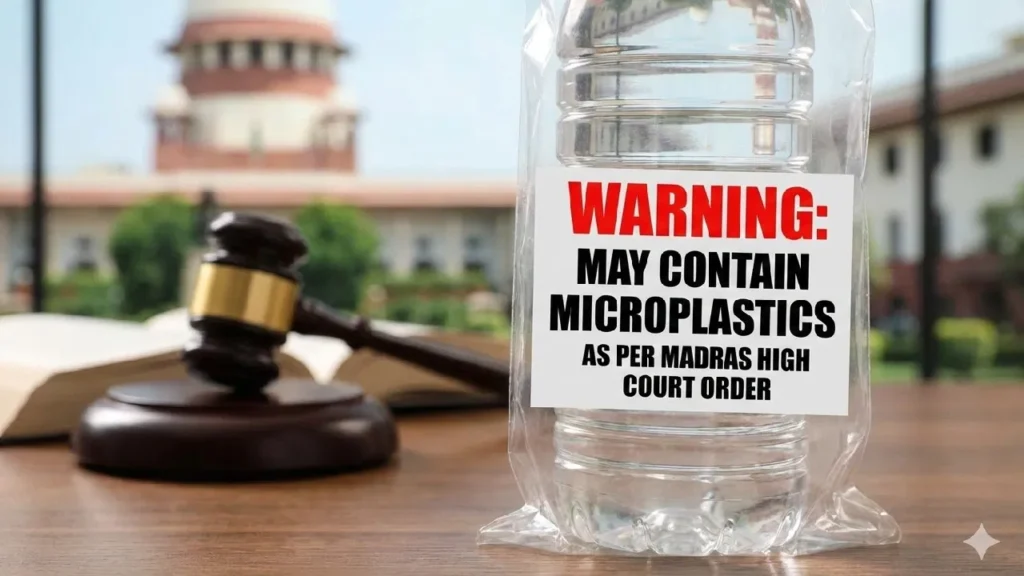
Key Update
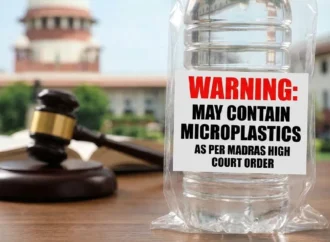
The Madras High Court has rejected a review petition from the Food Safety and Standards Authority of India (FSSAI) and upheld its earlier directive requiring manufacturers to place warning labels on PET bottles and plastic packaging used for salt and sugar. The directive requires manufacturers to alert consumers about the potential presence of microplastics, citing concerns about their possible health effects.
Court Rejects FSSAI’s Arguments
A special bench comprising Justice N. Sathish Kumar and Justice D. Bharatha Chakravarthy rejected FSSAI’s argument that India does not need such warning labels because developed countries do not generally require them. The judges pointed to differences in drinking-water practices. While many developed countries rely heavily on potable tap water, Indian households often depend on packaged drinking water because of concerns over water safety. The court also highlighted the problem of counterfeit and refilled bottles in India and said this adds to the need for greater consumer transparency.
Court Raises Microplastic Concerns
The bench referred to scientific studies that have detected microplastics in human tissues, including the placenta. The judges raised concerns about the ability of these particles to cross biological barriers and potentially reach developing embryos. The court also cited research examining the possible effects of microplastics on the cardiovascular, reproductive and digestive systems, along with concerns about their potential long-term health effects.
Warning Labels as a Minimum Safeguard
The judges described warning labels as a minimum measure to keep consumers informed while FSSAI continues its own risk assessment of microplastics. By dismissing FSSAI’s review petition, the court has kept its earlier directive in force, requiring manufacturers to provide consumers with information about the potential presence of microplastics in plastic-packaged salt and sugar products.
Source: The New Indian Express