728 x 90

Why Bread Moulds Faster in Some Seasons

Why Bread Moulds Faster in Some Seasons

Have you noticed that bread develops mould faster during the monsoon and other periods of warm, humid weather? A loaf that stays fresh for several days under cooler, drier conditions may show signs of spoilage much sooner when humidity and temperatures rise. This happens because environmental conditions, storage practices and even the ingredients used in bread influence how quickly mould grows. Understanding these factors can help consumers store bread safely, reduce food waste and avoid eating spoiled products.

What Causes Mould to Grow on Bread?
What Causes Mould to Grow on Bread?

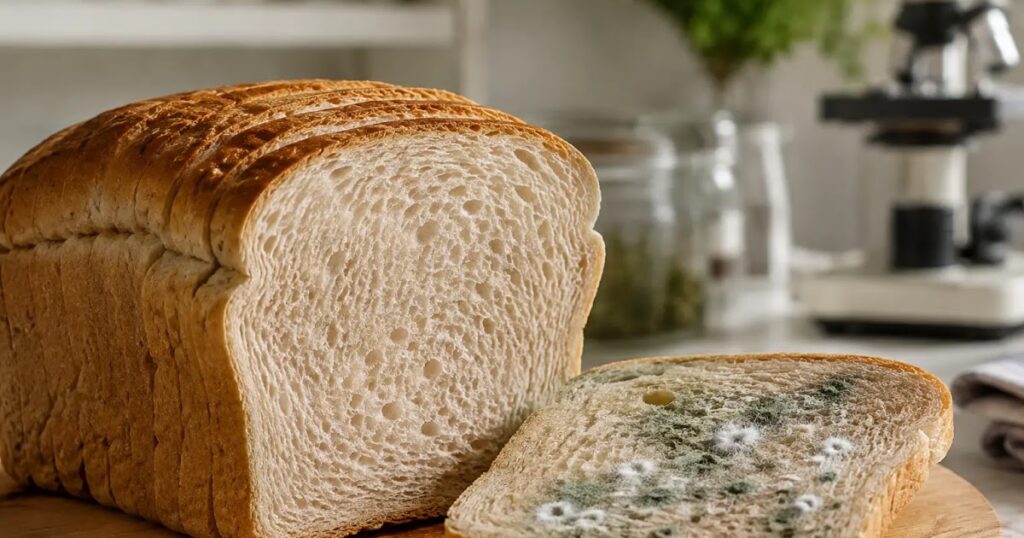
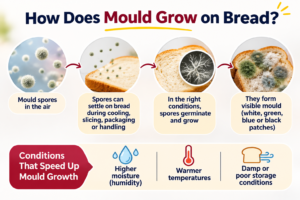
Bread contains moisture and nutrients that support fungal growth. Microscopic fungi, known as moulds, reproduce through tiny spores that naturally occur in the air. These spores can settle on bread during cooling, slicing, packaging, transportation or handling. When they encounter favourable conditions, they germinate and form visible colonies that appear as white, green, blue or black patches on the bread's surface. Although mould spores can reach bread at different stages, environmental conditions largely determine how quickly they grow. This explains why bread may spoil faster during certain seasons.

Why Does Bread Mould Faster in Certain Seasons?

Seasonal changes influence temperature and moisture levels, creating conditions that favour mould growth. Three factors are particularly important.

High Humidity Encourages Mould Growth

Humidity plays an important role in bread spoilage. During the monsoon, moisture levels in the air rise, while damp storage conditions can increase the risk of moisture accumulating around food. When excess moisture reaches bread or condensation forms inside its packaging, it creates a favourable environment for mould spores to grow.

Warm Temperatures Accelerate Fungal Growth

Moisture alone does not determine how quickly mould develops. Temperature also influences fungal growth. Many common bread moulds grow faster in warm conditions, particularly when sufficient moisture is available. As a result, bread stored at room temperature during hot and humid weather may develop visible mould sooner than bread kept under cooler conditions.

Condensation Inside Packaging Creates a Damp Environment

Packaging protects bread from external contamination, but trapped moisture can encourage mould growth. For instance, when freshly baked bread enters its packaging before cooling completely, water vapour can condense on the inner surface. Temperature fluctuations during storage can also cause moisture to accumulate inside the packet.

This trapped moisture, combined with warm conditions, can accelerate spoilage. Proper cooling before packaging and suitable storage can help reduce this risk.

Preservatives Can Influence Shelf Life

Apart from environmental conditions, the ingredients used in bread also affect its shelf life. Commercial bread may contain preservatives such as calcium propionate, which inhibit mould growth and help extend freshness.

In contrast, fresh bakery bread and homemade varieties may have a shorter shelf life, particularly when they contain no added mould inhibitors. However, preservatives are not the only factor that determines how long bread stays fresh. Ingredients, moisture content, acidity, production hygiene and packaging conditions also influence its susceptibility to mould.

How Can You Prevent Bread from Developing Mould?

Although consumers cannot control seasonal changes, they can adopt simple storage practices to slow spoilage and maintain bread quality.

Store bread in a cool, dry place: Keep it away from direct sunlight, heat sources, kitchen sinks and areas exposed to cooking steam.

Seal the packaging properly: Use clean, suitable packaging to protect bread from contamination and excess moisture.

Allow freshly baked bread to cool: Let bread cool completely before packing it to prevent condensation from forming inside the packaging.

Freeze extra bread: Divide the loaf into smaller portions or individual slices and freeze them. This allows you to take out only what you need while keeping the remaining bread frozen.

Use clean, dry hands: Avoid handling bread with wet hands, as this can introduce moisture and contaminants.

Should You Refrigerate Bread?
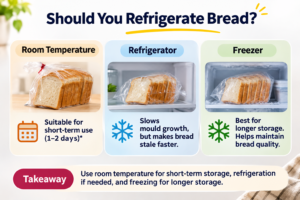
Refrigeration can slow mould growth, but it also accelerates the staling process, causing bread to lose its softness and become firm sooner. Therefore, freezing offers a better option when you need to store bread for an extended period while maintaining its quality.

However, refrigeration may still help slow mould growth in warm and humid climates when freezing is not practical. Choose a storage method based on how quickly you plan to consume the bread.

Is Mouldy Bread Safe to Eat?

No. Never consume bread that shows visible mould. Since bread has a porous structure, mould can spread beneath the surface even when you notice only a small patch. Cutting away the affected portion does not guarantee that the remaining bread is safe to eat.

Discard the entire loaf if you spot mould. Also, avoid smelling mouldy bread closely, as airborne spores may trigger allergic reactions or respiratory irritation in some people.

Final Thoughts

Bread spoilage depends on several factors, not just seasonal humidity. Temperature, moisture, condensation, preservatives and storage practices all influence how quickly mould develops and how long bread remains fresh.

By understanding these factors and following appropriate storage practices, consumers can slow spoilage, reduce food waste and make safer food choices.

Remember: Warmth and moisture encourage mould growth. Proper storage helps keep bread fresh for longer.
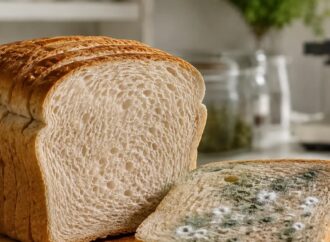
Bread contains moisture and nutrients that support fungal growth. Microscopic fungi, known as moulds, reproduce through tiny spores that naturally occur in the air. These spores can settle on bread during cooling, slicing, packaging, transportation or handling. When they encounter favourable conditions, they germinate and form visible colonies that appear as white, green, blue or black patches on the bread’s surface. Although mould spores can reach bread at different stages, environmental conditions largely determine how quickly they grow. This explains why bread may spoil faster during certain seasons.

Why Does Bread Mould Faster in Certain Seasons?

Seasonal changes influence temperature and moisture levels, creating conditions that favour mould growth. Three factors are particularly important.

High Humidity Encourages Mould Growth

Humidity plays an important role in bread spoilage. During the monsoon, moisture levels in the air rise, while damp storage conditions can increase the risk of moisture accumulating around food. When excess moisture reaches bread or condensation forms inside its packaging, it creates a favourable environment for mould spores to grow.

Warm Temperatures Accelerate Fungal Growth

Moisture alone does not determine how quickly mould develops. Temperature also influences fungal growth. Many common bread moulds grow faster in warm conditions, particularly when sufficient moisture is available. As a result, bread stored at room temperature during hot and humid weather may develop visible mould sooner than bread kept under cooler conditions.

Condensation Inside Packaging Creates a Damp Environment

Packaging protects bread from external contamination, but trapped moisture can encourage mould growth. For instance, when freshly baked bread enters its packaging before cooling completely, water vapour can condense on the inner surface. Temperature fluctuations during storage can also cause moisture to accumulate inside the packet. This trapped moisture, combined with warm conditions, can accelerate spoilage. Proper cooling before packaging and suitable storage can help reduce this risk.

Preservatives Can Influence Shelf Life

Apart from environmental conditions, the ingredients used in bread also affect its shelf life. Commercial bread may contain preservatives such as calcium propionate, which inhibit mould growth and help extend freshness.

In contrast, fresh bakery bread and homemade varieties may have a shorter shelf life, particularly when they contain no added mould inhibitors. However, preservatives are not the only factor that determines how long bread stays fresh. Ingredients, moisture content, acidity, production hygiene and packaging conditions also influence its susceptibility to mould.

How Can You Prevent Bread from Developing Mould?

Although consumers cannot control seasonal changes, they can adopt simple storage practices to slow spoilage and maintain bread quality.

  • Store bread in a cool, dry place: Keep it away from direct sunlight, heat sources, kitchen sinks and areas exposed to cooking steam.
  • Seal the packaging properly: Use clean, suitable packaging to protect bread from contamination and excess moisture.
  • Allow freshly baked bread to cool: Let bread cool completely before packing it to prevent condensation from forming inside the packaging.
  • Freeze extra bread: Divide the loaf into smaller portions or individual slices and freeze them. This allows you to take out only what you need while keeping the remaining bread frozen.
  • Use clean, dry hands: Avoid handling bread with wet hands, as this can introduce moisture and contaminants.

Should You Refrigerate Bread?

Refrigeration can slow mould growth, but it also accelerates the staling process, causing bread to lose its softness and become firm sooner. Therefore, freezing offers a better option when you need to store bread for an extended period while maintaining its quality. However, refrigeration may still help slow mould growth in warm and humid climates when freezing is not practical. Choose a storage method based on how quickly you plan to consume the bread.

Refrigeration can slow mould growth, but it also accelerates the staling process, causing bread to lose its softness and become firm sooner. Therefore, freezing offers a better option when you need to store bread for an extended period while maintaining its quality. However, refrigeration may still help slow mould growth in warm and humid climates when freezing is not practical. Choose a storage method based on how quickly you plan to consume the bread.

Is Mouldy Bread Safe to Eat?

No. Never consume bread that shows visible mould. Since bread has a porous structure, mould can spread beneath the surface even when you notice only a small patch. Cutting away the affected portion does not guarantee that the remaining bread is safe to eat. Discard the entire loaf if you spot mould. Also, avoid smelling mouldy bread closely, as airborne spores may trigger allergic reactions or respiratory irritation in some people.

Final Thoughts

Bread spoilage depends on several factors, not just seasonal humidity. Temperature, moisture, condensation, preservatives and storage practices all influence how quickly mould develops and how long bread remains fresh. By understanding these factors and following appropriate storage practices, consumers can slow spoilage, reduce food waste and make safer food choices.

Remember: Warmth and moisture encourage mould growth. Proper storage helps keep bread fresh for longer.

Posts Carousel

Latest Posts

Most Commented