 Food Manifest
Food safety guidance, regulations and best practice
Sugar
- Home
- Sugar

Beyond Sweetness: The Many Roles of Sugar in Food0
- A to Z, Food Hygiene, Food Safety, Health & Wellness, News
- July 28, 2026
Sugar is one of the most common ingredients in our kitchens, often associated with sweetness and desserts. But in the world of food science, sugar plays many roles beyond satisfying our sweet tooth. From preserving foods and improving texture to enhancing flavour and supporting fermentation, sugar is an essential ingredient that contributes to the quality,
READ MORE
From CO₂ to Sugar: Chinese Scientists Make Historic Leap0
- A to Z, Event, Food Hygiene, Food Safety, Health & Wellness, News
- July 21, 2025
Overview Chinese scientists have developed a pioneering method to transform carbon dioxide into sugar, potentially revolutionising food production and reducing reliance on traditional farming methods. A team at the Tianjin Institute of Industrial Biotechnology created an in vitro biotransformation (ivBT) system that synthesises sucrose from methanol, a low-carbon chemical derived from industrial waste or CO₂.
READ MORE
Why Do Fruit Cakes Last So Long? Uncover the secret to their long shelf life!0
- A to Z, General, Health & Wellness
- February 5, 2025
Ever wondered why fruit cakes last so much longer than other cakes? While most cakes spoil within a few days or weeks, fruit cakes can stay fresh for months—even years! It’s not magic; it’s science. The secret lies in the ingredients and preservation methods. Sugar and alcohol act as natural preservatives, while dried fruits and
READ MORE

Artificial Sweeteners Can Cause Weight Gain0
- A to Z, General, Health & Wellness
- July 3, 2024
Introduction Artificial sweeteners are calorie-free or low-calorie chemical compounds that mimic the taste of sugar but have lower energy content. They’re in everything from drinks, sweets, and ready-to-eat meals to cakes, chewing gum, and toothpaste. Some sugar alternatives are natural, while others are artificial. Artificial sweeteners are those that aren’t made from natural ingredients. Some
READ MORE
Identifying and Avoiding Common Food Adulterants: A Comprehensive Guide0
- A to Z, Blog, Food Hygiene, Food Laws, Food Safety, General, Health & Wellness
- April 2, 2024
Ensuring the safety of the food we consume is paramount in today’s world. One significant threat to this safety is food adulteration. Understanding what food adulteration is and how to avoid it is essential for protecting our health. Therefore, in this guide, we’ll explore common food adulterants, practical tips for identification and avoidance, and the importance of advocating for stricter food safety measures.
READ MORE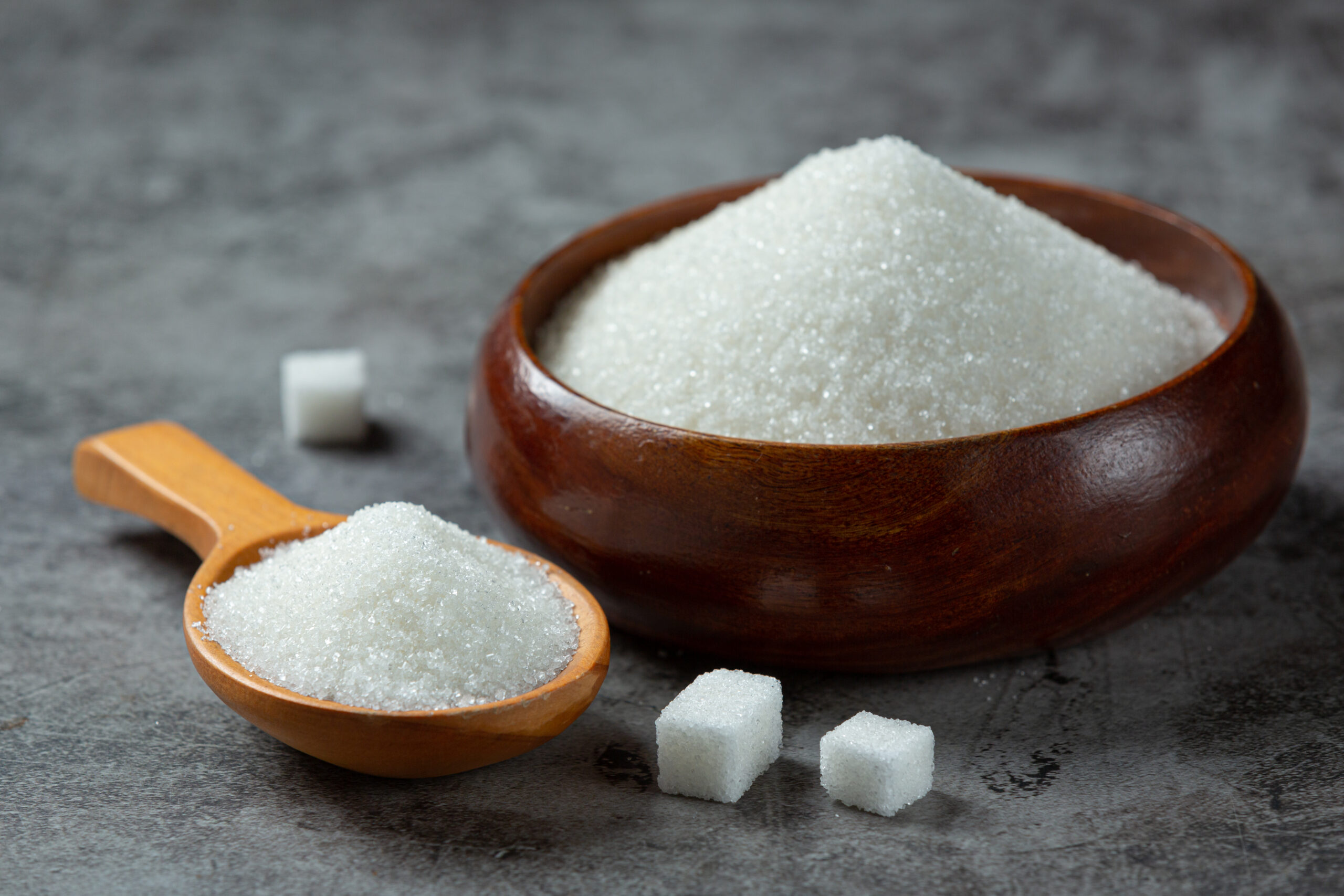
Artificial Sweeteners May Not Be Safe Sugar Alternatives0
- A to Z, Health & Wellness
- June 15, 2023
In today’s health-conscious world, many people are turning to artificial sweeteners as a seemingly healthier alternative to sugar. These sweeteners promise the satisfaction of a sweet taste without the added calories, making them particularly appealing to those watching their weight or managing diabetes. However, a recent study has raised concerns about the safety of artificial
READ MORE
Protein Powder : Is It Good For You?
- A to Z
- May 23, 2022
Street Food Safety in India: Challenges and Solutions
- Food Hygiene, Food Safety, News
- November 19, 2024
Latest Posts



About Food Manifest
We act as your one-stop resource on the web for all things food, food safety and hygiene, and well-being.The Food Manifest team utilises the blog platform with the goal of increasing social awareness on the important issues of food safety and health.
Food Manifest
C/o VManifest Private Limited.
Industrial Estate
Kalamassery, Kochi
Contact Us
Tel : 0484 3510629
foodmanifest@gmail.com
Get In Touch With Us
Latest Posts
-

FSSAI Moves to Single-Phase Front-of-Pack Nutrition Warnings
- A to Z, Food Hygiene, General, Health & Wellness, News
- September 25, 2026
-

Customers Fall Ill, Kannur Cocktail Outlet Comes Under Scrutiny
- News
- September 25, 2026
-

FSSAI Tightens Food Safety Net on E-Commerce Giants
- A to Z, Food Hygiene, Food Safety, Health & Wellness, News
- September 25, 2026
-

-

Sabarimala Prasadam: FSSAI Flags Safety Gaps; TDB Acts
- A to Z, Food Hygiene, Food Safety, Health & Wellness, News
- September 24, 2026
Health & Welness
-

-
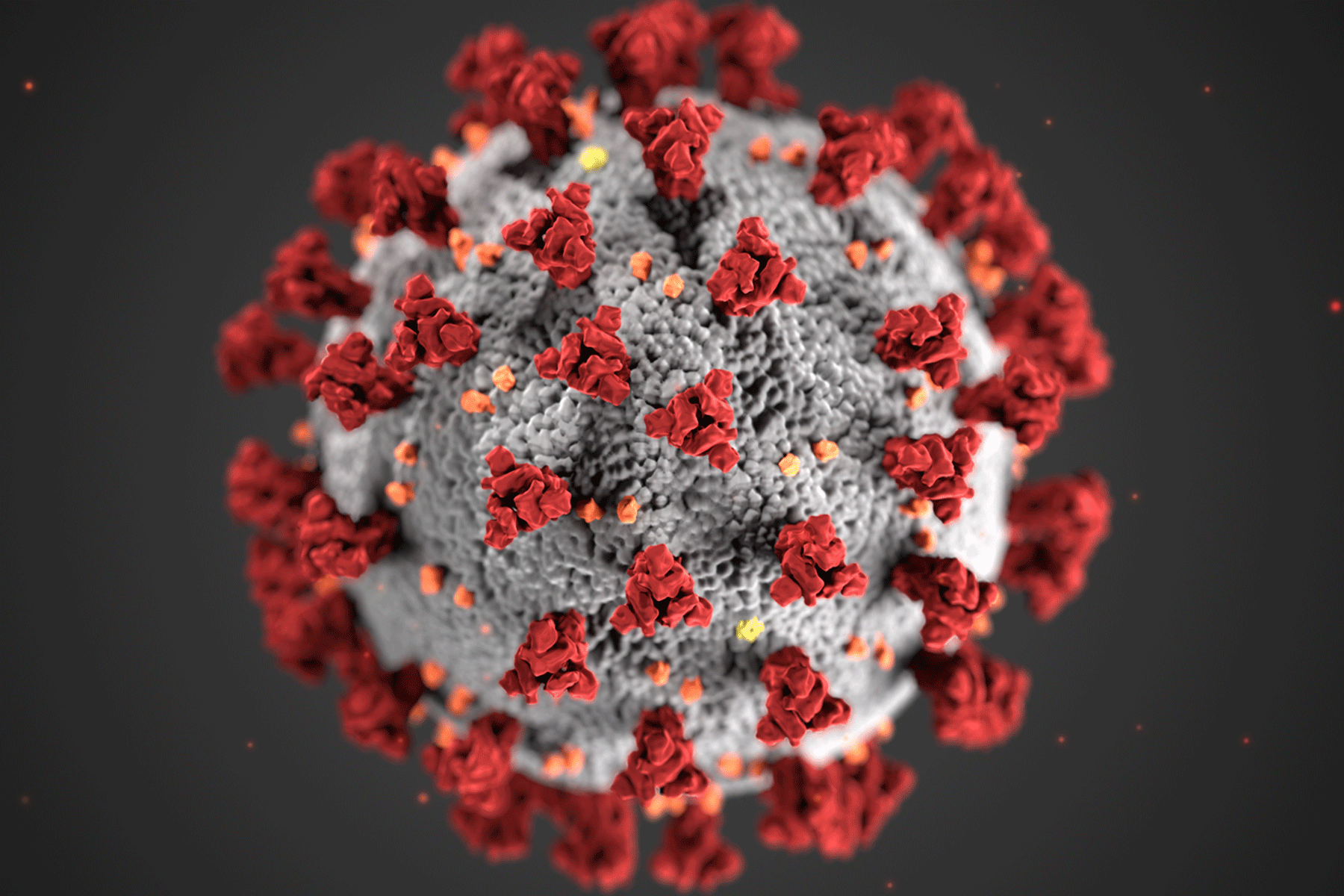
COVID and Coronavirus: Truth v/s Myth
- A to Z, General, Health & Wellness
- April 24, 2021
-
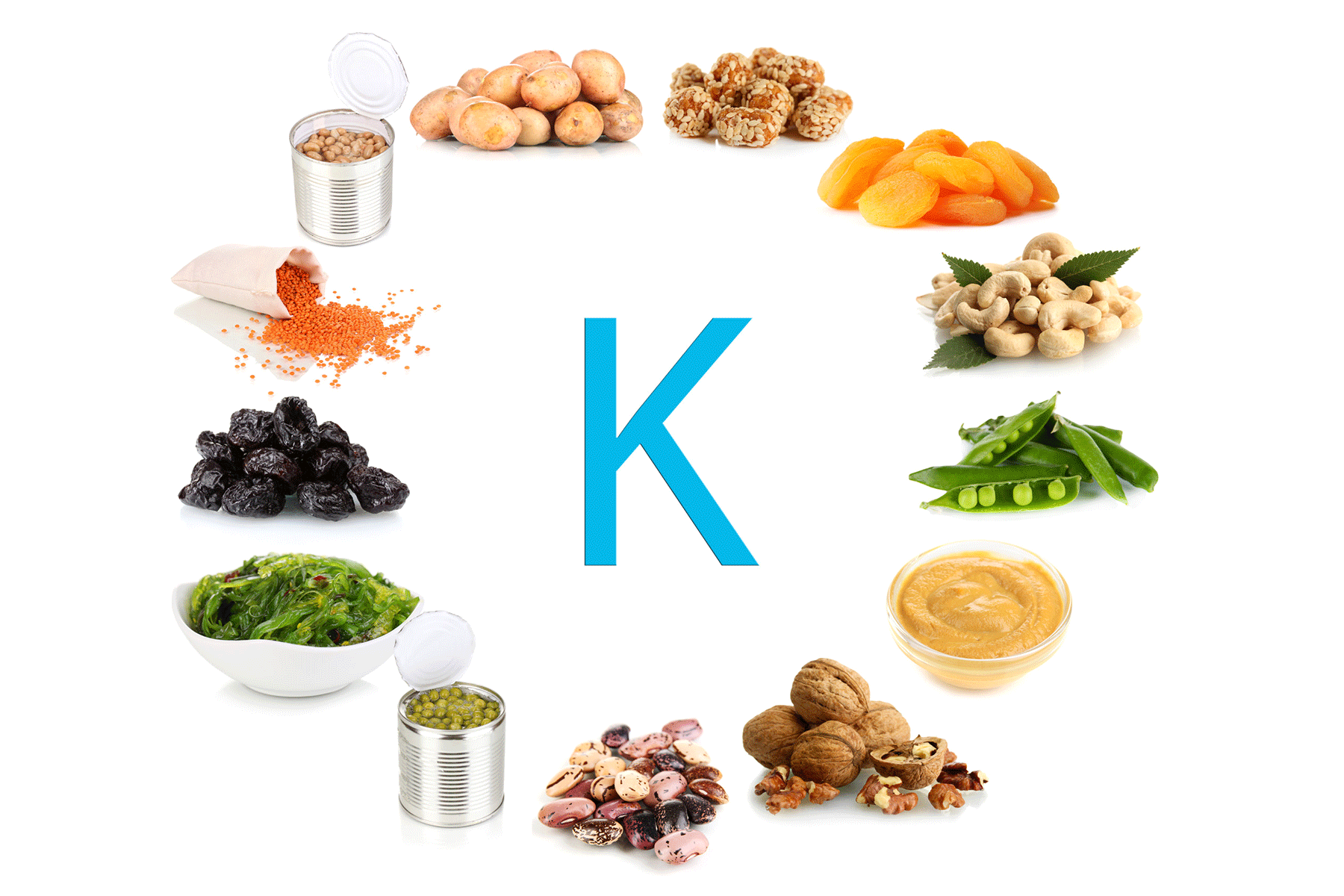
Potassium - What You Need To Know.
- A to Z, Health & Wellness
- August 1, 2021
© Copyright Food Manifest