 Food Manifest
The house of resource for food safety.
Blog 1 Column Left Sidebar
- Home
- Blog 1 Column Left Sidebar
Protein Powder : Is It Good For You?
- A to Z
- May 23, 2022
Street Food Safety in India: Challenges and Solutions
- Food Hygiene, Food Safety, News
- November 19, 2024
Latest Posts




Why ‘Non-Veg Milk’ Is Stirring a Major India-US Trade Row0
- A to Z
- July 17, 2025
Overview The idea of non-vegetarian milk is challenging long-held assumptions about dairy in India. What was always considered a vegetarian staple is now under scrutiny, creating a major roadblock in trade talks between India and the United States. India has blocked the import of certain American dairy products, citing cultural and religious concerns. The main
READ MORE
WHO’s Draft Guidelines: Enhance Nutritional Labeling to Combat Obesity0
- A to Z, Health & Wellness, News
- October 22, 2024
Introduction of Nutritional Labelling The World Health Organization (WHO) has released its first draft guidelines recommending that packaged foods and drinks display clear nutritional information on the front. This initiative aims to help consumers make healthier choices without enforcing stricter warning labels. Processed foods high in salt, sugar, and fat contribute significantly to the global
READ MORE
WHO: Industry Lobbying Blocks Governments from Tackling NCDs0
- A to Z, Food Hygiene, Food Safety, Health & Wellness, News
- September 19, 2025
Key Update The World Health Organisation (WHO) has warned that lobbying by tobacco, alcohol, and ultra-processed food companies is preventing governments from implementing critical health policies. The UN will dedicate a day next Thursday to addressing non-communicable diseases (NCDs), such as cancer and heart disease, during its annual meeting in New York. WHO emphasised that
READ MORE
WHO Urges Schools Worldwide to Clean Up What Children Eat0
- A to Z, Food Hygiene, Food Safety, Health & Wellness, News
- February 5, 2026
Key Update The World Health Organisation (WHO) has released a new global guideline urging countries to create healthier food environments in schools. For the first time, the organisation recommends a whole-school approach to ensure that all food and beverages available on school premises meet nutritional standards. Rising Malnutrition Concerns Prompt Action WHO issued the guideline
READ MORE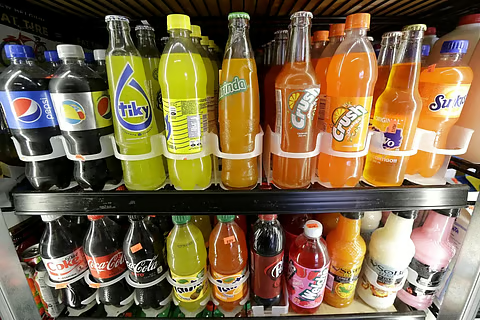
WHO Calls for 50% Tax Hike on Sugary Drinks, Alcohol, Tobacco by 20350
- A to Z, Food Hygiene, Food Laws, Food Safety, Health & Wellness, News
- July 4, 2025
Overview The World Health Organisation (WHO) is urging countries to raise taxes on harmful products such as sugary drinks, alcohol, and tobacco by at least 50% over the next decade. Launching its strongest push yet through the new “3 by 35” initiative, the WHO argued that higher prices would cut consumption of these products, which
READ MORE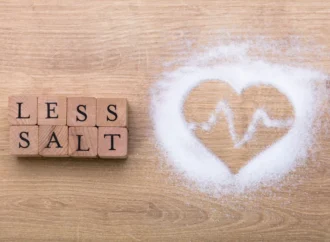
WHO Advocates Lower-Sodium Salt Substitutes to Combat Hypertension0
- Food Safety, Health & Wellness, News
- February 15, 2025
Report World Health Organization (WHO) has introduced guidelines urging the global adoption of lower-sodium salt substitutes (LSSS) to reduce hypertension and cardiovascular risks. These LSSS products replace a significant portion of sodium chloride with potassium chloride, providing the dual benefit of reducing sodium intake while increasing potassium consumption. Why Reducing Sodium Matters Excess sodium is
READ MORE
About Food Manifest
We act as your one-stop resource on the web for all things food, food safety and hygiene, and well-being.The Food Manifest team utilises the blog platform with the goal of increasing social awareness on the important issues of food safety and health.
Food Manifest
C/o VManifest Private Limited.
Industrial Estate
Kalamassery, Kochi
Contact Us
Tel : 0484 3510629
foodmanifest@gmail.com
Get In Touch With Us
Latest Posts
Health & Welness
-

-
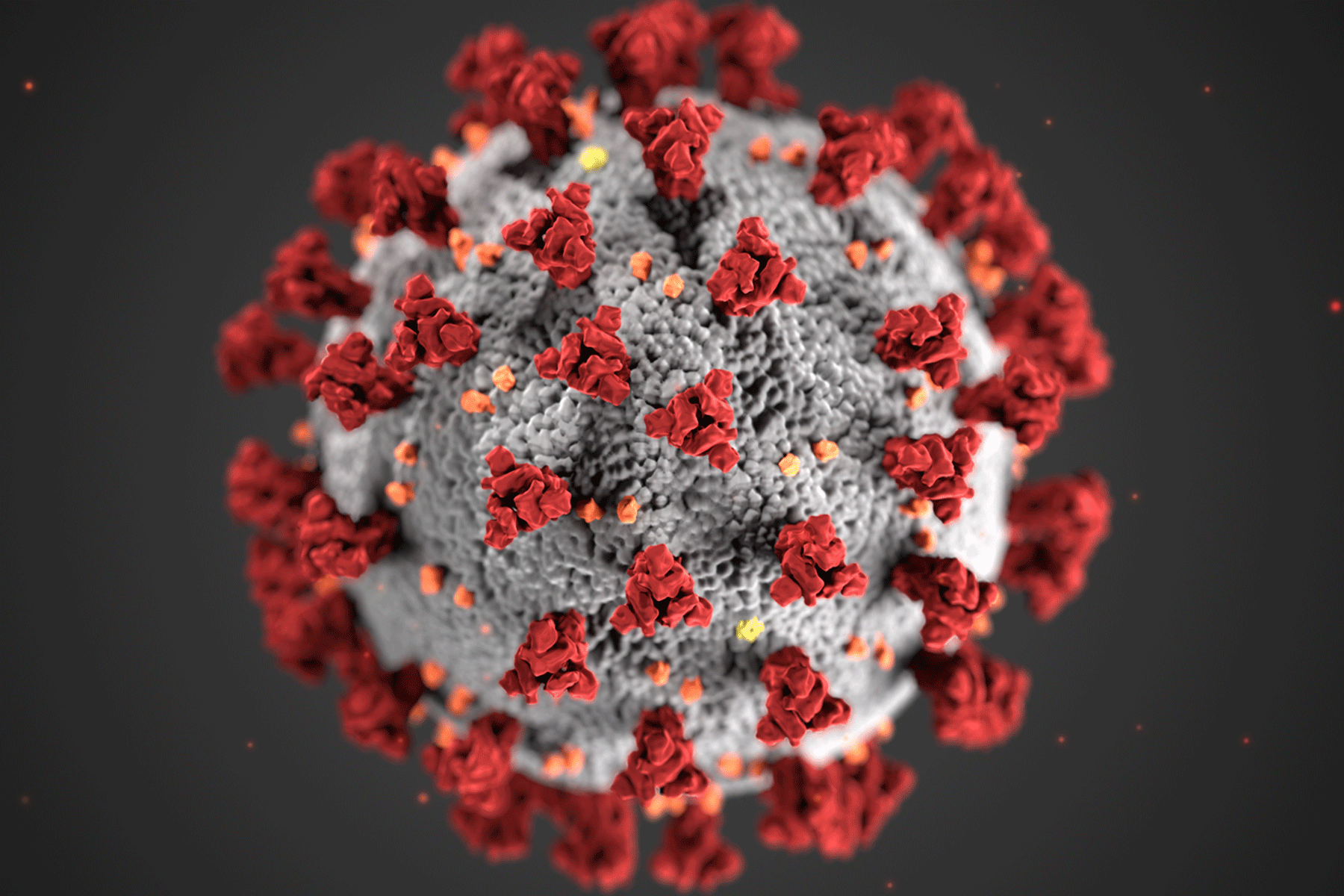
COVID and Coronavirus: Truth v/s Myth
- A to Z, General, Health & Wellness
- April 24, 2021
-
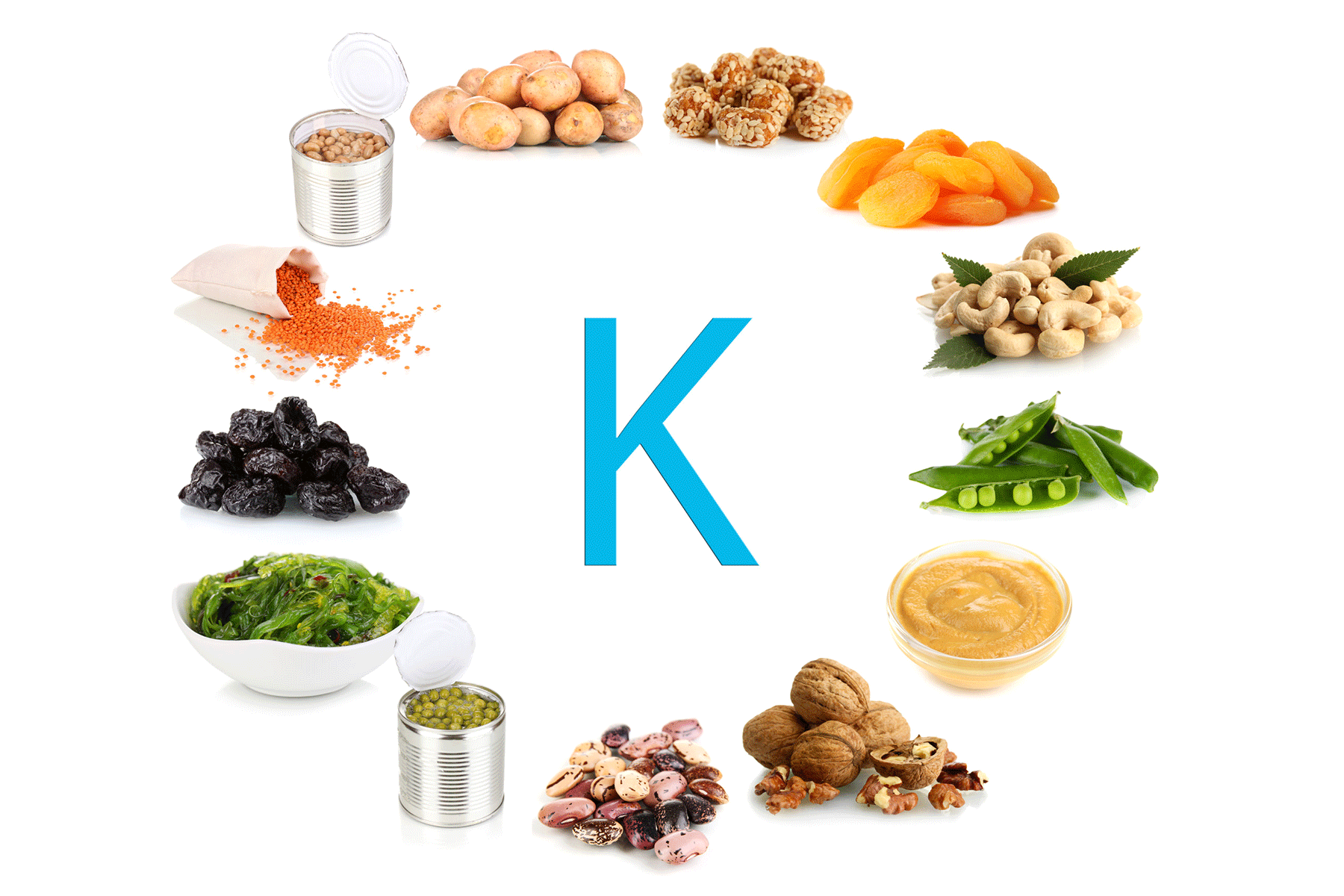
Potassium - What You Need To Know.
- A to Z, Health & Wellness
- August 1, 2021
© Copyright Food Manifest