Hyderabad Shuts 9 KFC, Domino’s Outlets Over Hygiene Lapses
- A to Z, Food Hygiene, Food Safety, Health & Wellness, News
- November 13, 2026
 Food Manifest

Have you detected a stale odour coming from the carton of milk you just bought? Is the texture runny? If so, the milk is likely contaminated. Food adulteration refers to the intentional or accidental addition of substances to food that alter its taste and nutritional value. This practice is often done to increase quantity or
READ MORE
It might surprise you to learn that the same substance used to protect furniture is also used as a shiny coating for foods. As hard as it is to believe, it’s true! This material is called shellac, a wax and a natural resin that acts as an adhesive and is responsible for the extended durability
READ MORE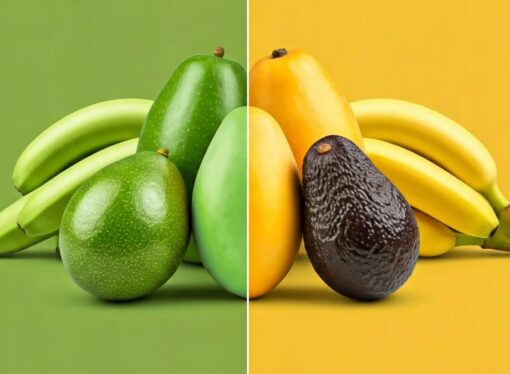
Ethylene gas silently drives the ripening of fruits. Despite its intimidating name, there’s no need for alarm. It is a naturally occurring plant hormone, often called the “ripening hormone,” that plays a vital role in the maturation and ageing of fresh fruits. Ethylene is colourless and flammable, and it controls plant growth and development much
READ MORE
Food coating is applying a layer of substances to food to enhance its flavour, texture, and appearance. Coatings serve two main purposes: enhancing taste and providing a protective layer, contributing to a more enjoyable eating experience. Examples include batters on chicken, fish, potatoes, and snacks; icings and frostings on baked goods; chocolate coatings on nuts,
READ MORE
Did you know that your cutting board can contaminate your vegetables? This phenomenon is known as cross-contamination. A common misconception is that this term applies primarily to restaurants, which is incorrect. Cross-contamination can occur at any moment and location, making it one of the leading causes of food poisoning. This issue is severe. While preparing
READ MORE
Most of you would say a big “no” to processed food. However, remember that a major portion of our daily food is processed. We consider food to be processed if it has undergone any changes from its original form. All chopped, canned, pasteurized, frozen, packed, dried, and cleaned goods fall under this category. This also
READ MORE
As a consumer, a food recall can be alarming. If you have a recalled product, discard it immediately. For manufacturers, recalls can damage brand reputation, but they are important for managing risks and ensuring public safety following food safety incidents. What Is a Food Recall? A food recall occurs when a product is removed from
READ MORE
Gluten often gets a bad reputation. Ever wonder why some people ask for a gluten-free diet? They may have gluten intolerance, experiencing adverse reactions when consuming foods that contain gluten. This is because gluten contains certain amino acids that can lead to digestive issues for some. However, demonizing gluten entirely doesn’t hold up, as gluten
READ MORE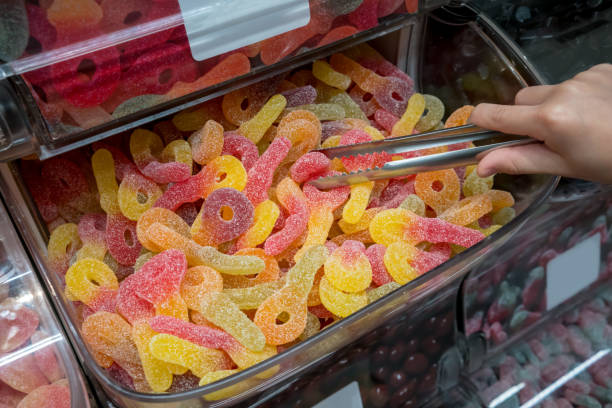
Food colouring or food dyes are primarily used to make the food look appealing. It is mostly used in candies, baked goods, and breakfast cereals. Food dyes are also being increasingly used in sodas, gelatin desserts, meat products, and pet food. Over the years, more and more synthetic dyes have become popular and are being
READ MOREWe act as your one-stop resource on the web for all things food, food safety and hygiene, and well-being.The Food Manifest team utilises the blog platform with the goal of increasing social awareness on the important issues of food safety and health.
C/o VManifest Private Limited.
Industrial Estate
Kalamassery, Kochi
Tel : 0484 3510629
foodmanifest@gmail.com