Food Manifest
Ethylene gas silently drives the ripening of fruits. Despite its intimidating name, there’s no need for alarm. It is a naturally occurring plant hormone, often called the “ripening hormone,” that plays a vital role in the maturation and ageing of fresh fruits. Ethylene is colourless and flammable, and it controls plant growth and development much like hormones in humans and animals.
Ethylene gas can be either your friend or foe. If you want to speed up the ripening of green fruits, ethylene becomes an ally. For example, placing a ripe banana with unripe avocados in a paper bag accelerates ripening because of the ethylene gas released by the banana. However, ethylene can also work against you by reducing the shelf life of fresh produce. Managing ethylene reactions is crucial due to its significant effect on economically important plants. Read on to discover more about ethylene gas.
Ethylene in Action
As mentioned earlier, ethylene production triggers fruit ripening as the fruit matures. After harvest, ethylene production continues to rise, reducing the fruit’s shelf life and storage span and making it more vulnerable to pathogen attacks.
We divide fruits into two groups based on their respo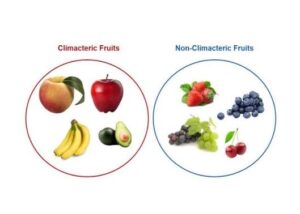 nse to ethylene: Climacteric fruits react to ethylene, while non-climacteric fruits do not show the climacteric rise and remain unaffected by ethylene. The table below highlights their differences.
Climacteric Fruits
Climacteric fruits respond to ethylene and undergo a rise in respiration and ethylene production as they ripen. The increase in ethylene, along with other plant hormones, activates genes and enzymes that contribute to changes in the fruit’s appearance, sweetness and flavour. Examples: Apples, avocados, bananas, figs, mangoes, papayas, peaches, pears and tomatoes.
Non-Climacteric Fruits
Non-climacteric fruits do not show the same climacteric response to ethylene and remain largely unaffected by its presence. They generally do not continue to ripen after harvest and do not soften or become sweeter in response to ethylene.
However, ethylene can cause colour changes in some non-climacteric fruits, such as citrus fruits, without producing the same ripening effects seen in climacteric fruits—examples: Citrus fruits, grapes, cherries, pineapples and various types of berries.
In Simple Terms
Climacteric fruits → Respond to ethylene and continue ripening after harvest.
Non-climacteric fruits → Do not show the same ethylene-driven ripening process after harvest.
Trying Ethylene Ripening Techniques in Home Kitchens
Understanding how ethylene affects fresh produce helps you ripen fruits at home. Here are a couple of techniques:
Use a Paper Bag
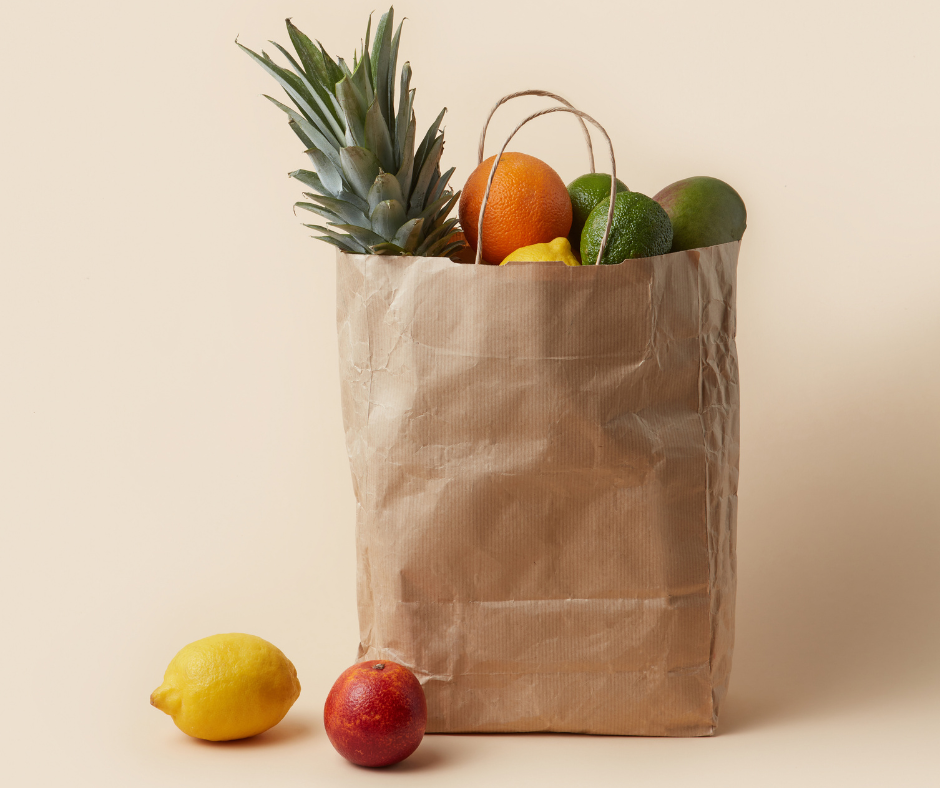
Place a passion fruit or other fruit in a paper bag with a ripe banana to speed up the ripening process. The ethylene released by the ripening banana will induce the climacteric reaction in the avocado.
- This method works best with fruits that produce a large amount of ethylene as they ripen, such as apples, pears, bananas, or avocados.
- Enclosing the paper bag in a plastic bag further traps the ethylene gas released by the banana.
- This technique is effective with any mix of climacteric fruits but works best when the ripening fruit emits a significant amount of ethylene.
- This process mirrors the commercial use of ethylene for ripening.
Keeping a Ripening Banana with Green Lemons
Once the fruit is harvested, it releases ethylene gas into the surrounding air, which triggers the breakdown of stored starches into sugars within the fruit and nearby ones.
- Place a green lemon in a paper bag with a ripening banana
- Ethylene prompts the breakdown of chlorophyll in citrus fruits, causing the peel to change from green to orange or yellow.
- This process does not alter the taste, as it simply continues the plant’s normal growth.
Effects of Ethylene Gas on Food
Ethylene gas has several positive effects on food, including:
- Accelerating the natural ripening process, allowing fruits to reach the market sooner.
- Improving the quality and quantity of food; for example, using ethylene to promote the formation of female flowers in cucumbers can increase overall yield.
- Extending shelf life and prolonging the time from harvest to store, resulting in higher profits.
- Enhancing the taste of fruits and giving them an appealing colour; for instance, ethylene can remove chlorophyll from citrus fruit, causing colour changes.
- Significantly boosting modern food packaging.
- Slowing down the ripening process and extending the shelf life of produce, thereby reducing food waste.
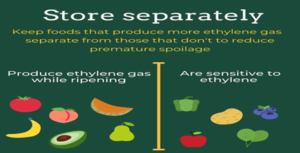
However, ethylene gas can also have adverse effects on fruits and vegetables, including:
- Accelerating the maturation process causes fruits to become overly ripe and spoil faster.
- Causing the yellowing of green vegetables and colour loss in leafy greens.
- Leading to scalding in apples, brown spots on eggplants, decay in bananas, sprouting in potatoes, mould on grapes, odours in onions and garlic, and bitterness in carrots.
- Reducing the shelf life of fruits and vegetables.
- Increasing the likelihood of decay during storage and handling.
Conclusion
Ethylene drives fruit and vegetable ripening. Depending on your needs, it can either enhance fruit quality or contribute to spoilage. By understanding how fruits respond to ethylene, you can manage these reactions to your advantage. Proper control of ethylene responses is essential for extending the commercial viability of produce.[/vc_column_text][/vc_column][/vc_row]