Food Poisoning at Govt Minority School in Hyderabad: TGHRC Steps In
- A to Z, Food Hygiene, Food Safety, Health & Wellness, News
- December 15, 2025
 Food Manifest

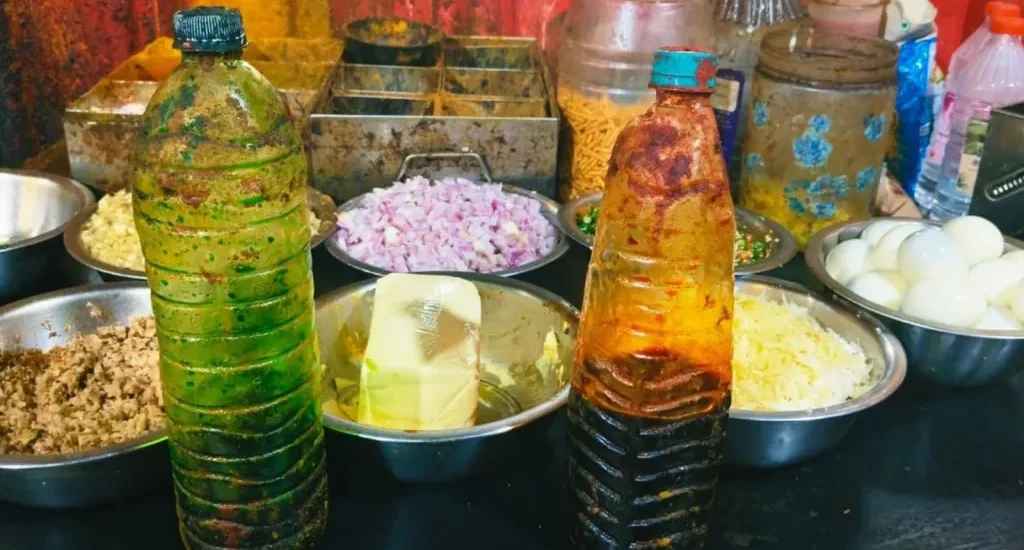


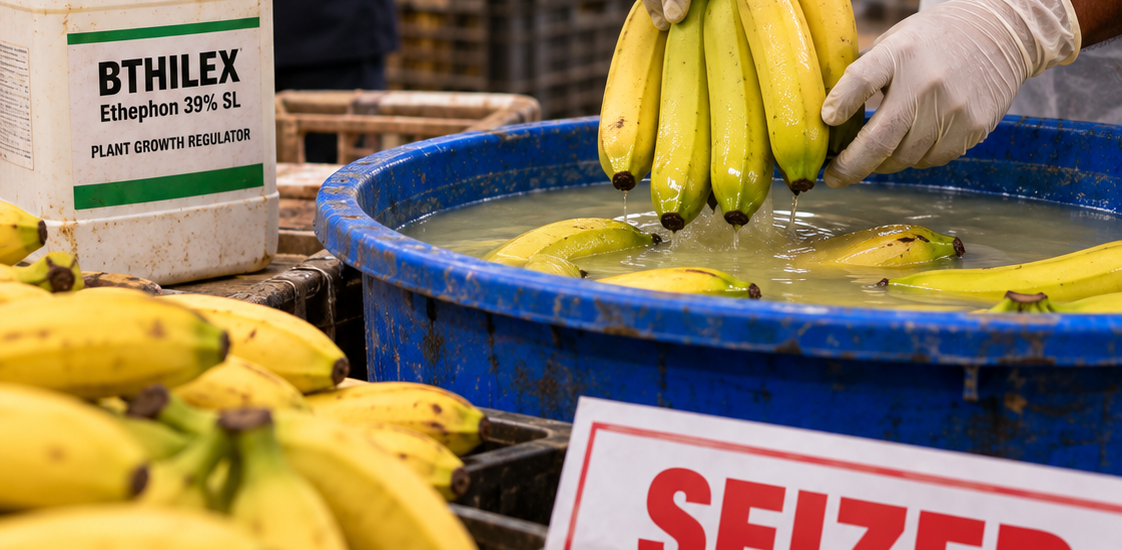

Pre-Holiday Food Safety Plan In a pre-holiday enforcement action, Food Safety teams in Kozhikode district shut down 16 unregistered food establishments during increased inspections before Christmas and New Year festivities. Over four days, the teams discovered numerous businesses operating without proper licenses or postponing their renewals. They inspected 176 establishments and collected samples from 62
READ MORE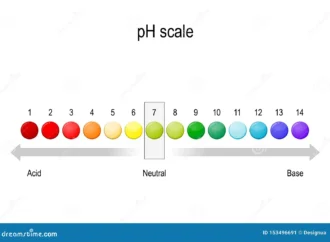
The pH value of food serves as a critical measure of acidity or alkalinity, influencing nearly every aspect of its quality, from taste and texture to safety and shelf life. Measured on a scale of 0 to 14, a pH of 7 is neutral, while values below and above indicate acidity and alkalinity, respectively. This
READ MORE
Overview A recent study funded by the Government of India revealed that most food products sold in the country are classified as “healthy” or “moderately healthy.” However, the study also highlighted a concerning scarcity of low glycemic index (GI) foods, which are crucial for individuals with diabetes. Published in the peer-reviewed journal PLOS ONE, the
READ MORE
Report The Food Safety and Standards Authority of India (FSSAI) has directed licensed food producers, importers, and relabelers to submit quarterly reports on rejected and expired food products through its online compliance platform, FOSCOS. This directive aims to prevent the resale of unfit food products for human consumption. Key Mandates Released on December 16, the
READ MORE














We act as your one-stop resource on the web for all things food, food safety and hygiene, and well-being.The Food Manifest team utilises the blog platform with the goal of increasing social awareness on the important issues of food safety and health.
C/o VManifest Private Limited.
Industrial Estate
Kalamassery, Kochi
Tel : 0484 3510629
foodmanifest@gmail.com