 Food Manifest
The house of resource for food safety.
Blog 1 Column Left Sidebar
- Home
- Blog 1 Column Left Sidebar
Protein Powder : Is It Good For You?
- A to Z
- May 23, 2022
Street Food Safety in India: Challenges and Solutions
- Food Hygiene, Food Safety, News
- November 19, 2024
Latest Posts
-

-

-
Can Refrigerated Food Cause Poisoning?
- A to Z, Food Hygiene, Food Safety, Health & Wellness, News
- April 1, 2026
-

-
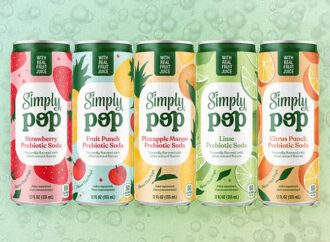
Coca-Cola Enters Prebiotic Soda Market with Simply Pop0
- Food Laws, Food Safety, General, Health & Wellness, News
- February 20, 2025
Report Coca-Cola has launched Simply Pop, a new prebiotic soda line, directly challenging brands like Olipop and Poppi. Set to debut in late February across the West Coast and Southeast U.S., this launch underscores the company’s commitment to food safety and functional beverages. Over the past two decades, traditional soft drink consumption has declined due
READ MORE
Coca-Cola and PepsiCo Roll Out ₹10 Low-Sugar Packs0
- Food Safety, General, Health & Wellness, News
- March 26, 2025
Overview To meet the growing demand for healthier, low-calorie drinks, Coca-Cola and PepsiCo are expanding their no-sugar offerings to compete with Reliance Consumer’s Campa. Both companies have introduced ₹10 packs for their diet and light beverages, including Thums Up X Force, Coke Zero, Sprite Zero, and Pepsi No-Sugar. This move highlights the increasing consumer focus
READ MORE
CO₂: The Hidden Hero of Food Safety0
- A to Z, Food Hygiene, Food Safety, Health & Wellness
- June 20, 2025
When we think of food safety, we often focus on cleanliness or cooking temperatures. Yet, carbon dioxide (CO₂) quietly plays a crucial role behind the scenes. Beyond creating fizz in sodas, CO₂ helps preserve freshness, slow spoilage, and keep food safe during transport. It extends the shelf life of packaged meats through modified atmosphere packaging
READ MORE
CMC Raids Food Stalls at Cuttack Bali Jatra for Safety Violations0
- Food Hygiene, Food Safety, News
- November 18, 2024
Report The Cuttack Municipal Corporation’s (CMC) Food Safety Department raided multiple food stalls at the Cuttack Bali Jatra today. The department specifically inspected food stalls for chemical food colours, unsanitary conditions, and substandard oil. Fines and Warnings Issued to Offending Stalls The CMC fined the food stalls that violated safety standards and warned them against
READ MORE
Cleaning and Sanitation Best Practices for Restaurants: Ensuring a Spotless Dining Experience0
- A to Z, Blog, Food Hygiene, Food Safety
- May 17, 2023
Running a successful restaurant involves more than just serving delicious food; cleanliness and sanitation are equally crucial to your establishment’s reputation and success. In this blog, we’ll discuss essential cleaning and sanitation best practices that every restaurant should implement. Understanding the Importance of Cleaning and Sanitation Understanding the importance of cleaning and sanitation is paramount
READ MORE
Clay Pots and Food Safety: What to Know0
- A to Z, Food Hygiene, Food Safety, General, Health & Wellness
- March 22, 2025
For centuries, people have cooked in clay pots, valuing their ability to enhance flavours and distribute heat evenly. But with growing food safety concerns, many wonder—do these traditional vessels leach harmful substances into food? While natural clay is rich in minerals, modern treatments and glazes may introduce toxins like lead or arsenic. Understanding the risks
READ MORE
About Food Manifest
We act as your one-stop resource on the web for all things food, food safety and hygiene, and well-being.The Food Manifest team utilises the blog platform with the goal of increasing social awareness on the important issues of food safety and health.
Food Manifest
C/o VManifest Private Limited.
Industrial Estate
Kalamassery, Kochi
Contact Us
Tel : 0484 3510629
foodmanifest@gmail.com
Get In Touch With Us
Latest Posts
-
-
-
Can Refrigerated Food Cause Poisoning?
- A to Z, Food Hygiene, Food Safety, Health & Wellness, News
- April 1, 2026
-
-
Health & Welness
-

-
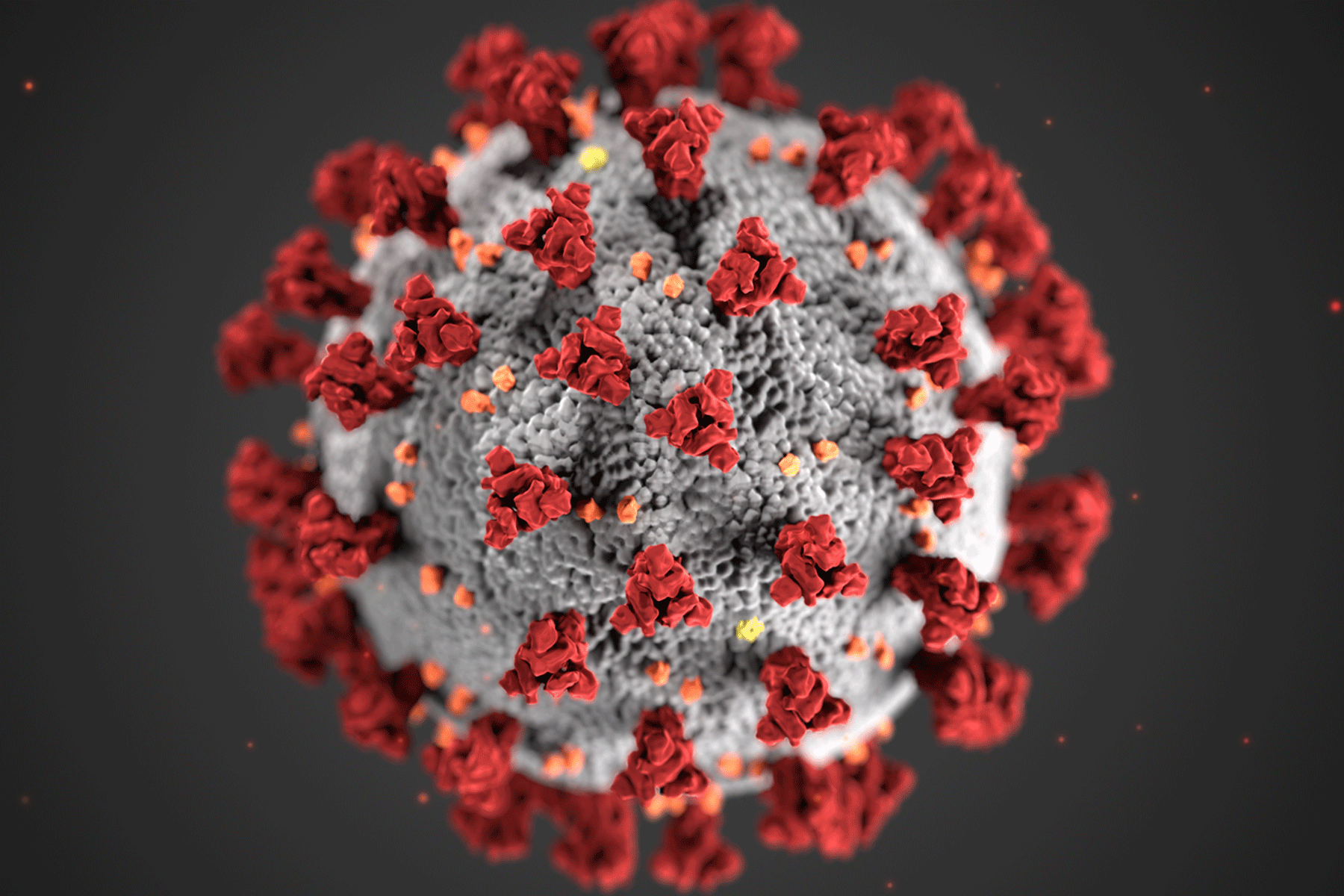
COVID and Coronavirus: Truth v/s Myth
- A to Z, General, Health & Wellness
- April 24, 2021
-
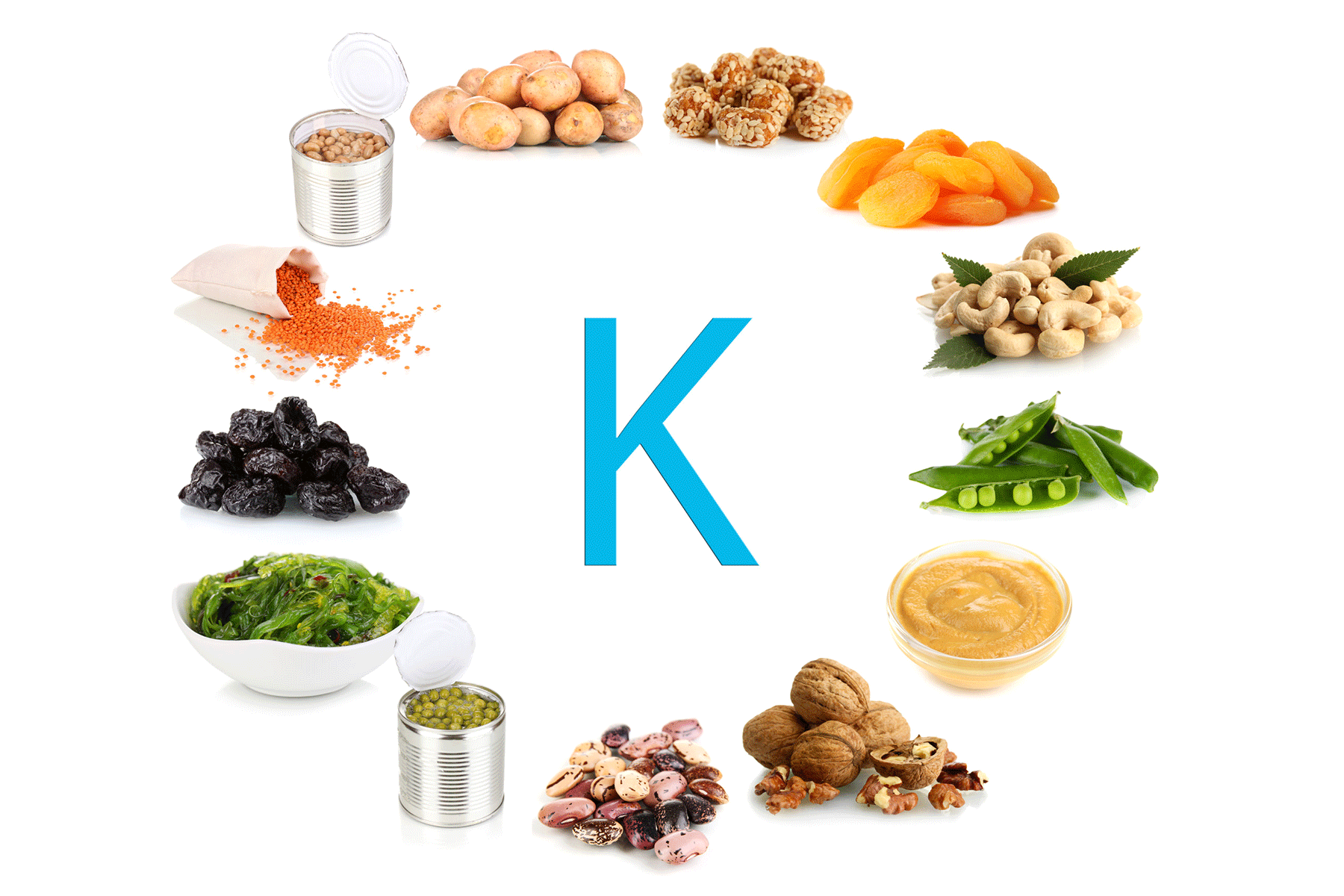
Potassium - What You Need To Know.
- A to Z, Health & Wellness
- August 1, 2021
© Copyright Food Manifest