 Food Manifest
Food safety guidance, regulations and best practice
Blog 1 Column Left Sidebar
- Home
- Blog 1 Column Left Sidebar
Protein Powder : Is It Good For You?
- A to Z
- May 23, 2022
Street Food Safety in India: Challenges and Solutions
- Food Hygiene, Food Safety, News
- November 19, 2024
Latest Posts





BPNI Flags Safety Risks in Powdered Infant Formula, Urges Stronger Rules0
- A to Z, Food Laws, General, Health & Wellness, News
- May 22, 2026
Key Update The Breastfeeding Promotion Network of India (BPNI) on Thursday urged the Centre to strengthen safety regulations for powdered infant formula after global recalls linked to harmful bacterial contamination and toxins. Marking World Breastfeeding Protection Day, the organisation asked the Union Health Ministry and the Food Safety and Standards Authority of India (FSSAI) to
READ MORE
BPA in Food Packaging: Risks, Limits & How to Reduce Exposure0
- Food Safety, Health & Wellness
- March 6, 2025
Bisphenol A (BPA) is a chemical used to make plastics and resins, commonly found in everyday items like food containers, beverage cans, and some kitchenware. While it plays a key role in creating durable, long-lasting products, BPA has raised concerns because it can leach into the food and drinks we consume. BPA is classified as
READ MORE
Bournvita, Amway & Others Correct Misleading Claims After FSSAI Action0
- A to Z, Food Hygiene, Food Safety, Health & Wellness, News
- August 29, 2026
Key Update The Food Safety and Standards Authority of India (FSSAI) said on Sunday that several major food business operators (FBOs) had taken corrective action after receiving notices over misleading labels, claims and other regulatory violations. In a post on X, the food regulator said the companies had withdrawn misleading claims, revised product packaging and
READ MORE
Botulism: The Food Safety Risk You Can’t See0
- A to Z, Food Hygiene, Food Safety, Health & Wellness, News
- September 10, 2026
What is Botulism? Botulism is a rare but serious illness that affects the nervous system. It is caused by botulinum neurotoxin, a powerful toxin produced by Clostridium botulinum and, less commonly, related bacteria. The toxin disrupts communication between nerves and muscles, which can lead to progressive muscle weakness, paralysis and, in severe cases, breathing difficulties.
READ MORE
Bottled Water Boom in Bihar Raises Safety and Groundwater Concerns0
- A to Z, Food Hygiene, Food Safety, Health & Wellness, News
- March 24, 2026
Overview Groundwater contamination by arsenic, fluoride, iron, and other toxic elements in several Bihar districts has sharply increased the demand for packaged drinking water over the past decade. Rising health awareness among consumers has further accelerated this shift, leading more households to depend on bottled water. The growing demand has also triggered a rapid expansion
READ MORE
Bottled Water Alert: Vizag Units Under Food Safety Scanner0
- A to Z, Food Hygiene, Food Safety, Health & Wellness, News
- May 9, 2025
Raids Target Suspected Low-Quality Water Units Responding to public complaints, food safety authorities in Visakhapatnam raided several packaged drinking water units suspected of selling substandard water. The raids covered areas like Gnanapuram, Janda Chettu, HB Colony (Seethammadhara), Kailasapuram, Sivajipalem, and Thatichetlapalem. Samples Sent for Quality Testing Officials collected multiple samples during the inspection and sent
READ MORE
About Food Manifest
We act as your one-stop resource on the web for all things food, food safety and hygiene, and well-being.The Food Manifest team utilises the blog platform with the goal of increasing social awareness on the important issues of food safety and health.
Food Manifest
C/o VManifest Private Limited.
Industrial Estate
Kalamassery, Kochi
Contact Us
Tel : 0484 3510629
foodmanifest@gmail.com
Get In Touch With Us
Latest Posts
Health & Welness
-

-

COVID and Coronavirus: Truth v/s Myth
- A to Z, General, Health & Wellness
- April 24, 2021
-
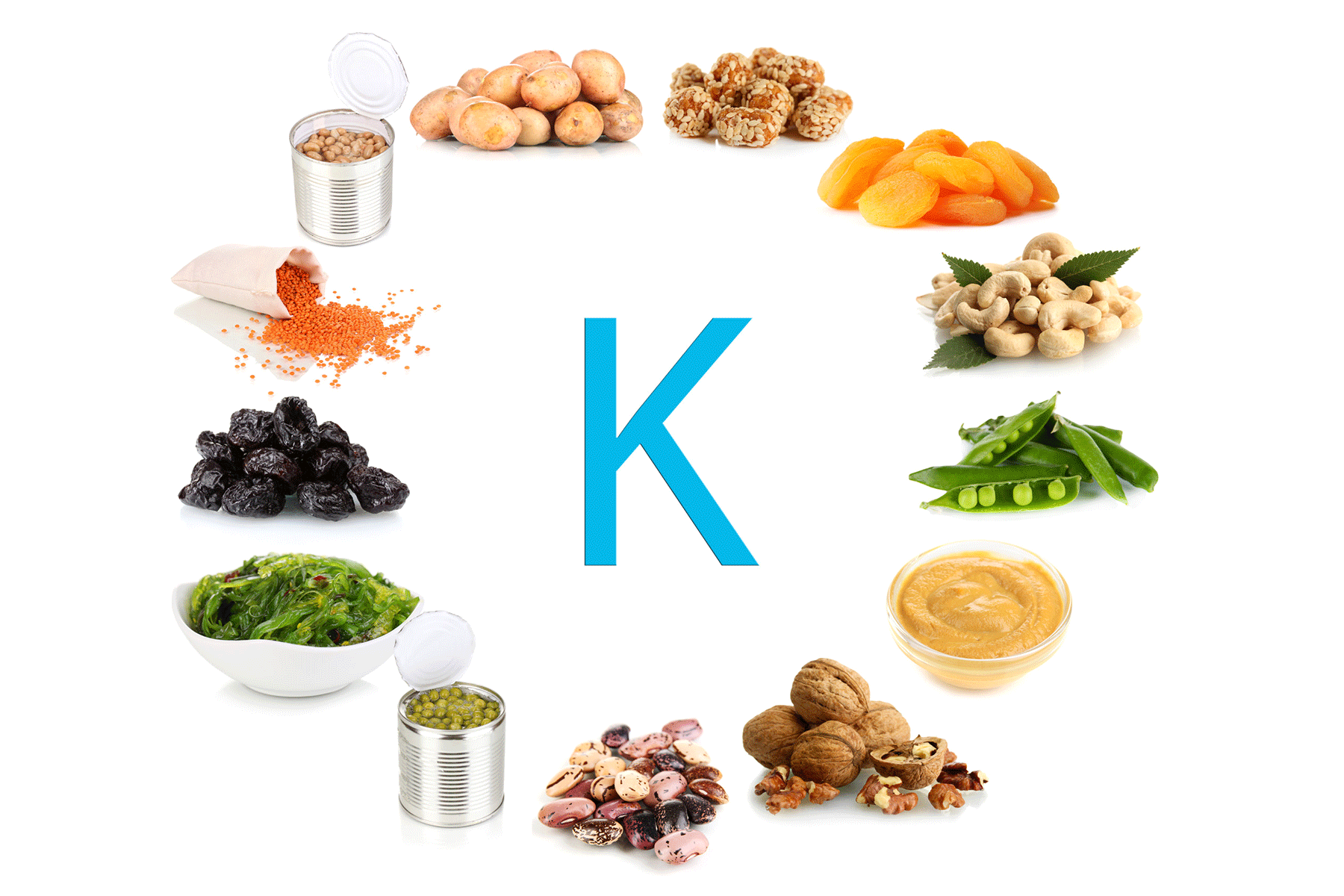
Potassium - What You Need To Know.
- A to Z, Health & Wellness
- August 1, 2021
© Copyright Food Manifest