 Food Manifest
Food safety guidance, regulations and best practice
Blog 1 Column Left Sidebar
- Home
- Blog 1 Column Left Sidebar
Protein Powder : Is It Good For You?
- A to Z
- May 23, 2022
Street Food Safety in India: Challenges and Solutions
- Food Hygiene, Food Safety, News
- November 19, 2024
Latest Posts



Tiruchy: Unsafe ice handling at juice stalls raises hygiene concerns0
- A to Z, Food Hygiene, Food Safety, Health & Wellness, News
- April 30, 2026
Key Update As temperatures hover around 40°C, juice stalls near the Chathiram bus stand in Tiruchirappalli, or Tiruchy, see heavy demand in the afternoon. At outlets in Gandhi Market, Cantonment, and Puthur, vendors handle ice in unhygienic conditions—storing it in open sacks, breaking it by hand, and adding it directly to drinks. Many also reuse glasses
READ MORE
Tiruchy to Intensify Checks as FSSAI Licence Rule Reiterated0
- A to Z, Food Hygiene, Food Safety, Health & Wellness, News
- November 26, 2025
Key Update After the state principal secretary for food safety and drug administration reiterated the 2011 mandate on November 15, food safety officials in Tiruchy, Tamilnadu are preparing to step up inspections. The rule requires every food business operator — including single-cart vendors and those distributing free food — to hold a valid FSSAI licence
READ MORE
Tiruchirappalli School Mid-Day Meal: 15 Students Ill, Probe On0
- Food Hygiene, Food Safety, Health & Wellness, News
- April 26, 2025
Report Fifteen students from a government school in Tiruchirappalli, Tamil Nadu, allegedly fell ill after consuming a mid-day meal. A healthcare team promptly arrived at the school, examined the affected children, and administered glucose and medication. The medical team observed symptoms consistent with food poisoning, but confirmed the cause would require testing of the food
READ MORE
Tiruchi’s Roadside Food Dilemma: Hygiene Risks and Safety Solutions0
- A to Z, Food Hygiene, Food Safety, News
- December 10, 2024
Unregulated Food Stalls Raise Hygiene Concerns The uncontrolled expansion of roadside food stalls in Tiruchi has raised serious hygiene concerns among residents. Vendors operate daily from temporary stalls and pushcarts, catering to a diverse range of customers with offerings that include pre-prepared meals and freshly cooked dishes. Contamination Risks Persist Amid Rising Demand Many vendors
READ MORE
Tinsukia Fish Market Gets Clean Chit: No Formalin Found in Surprise Test0
- A to Z, Event, Food Hygiene, Food Laws, Food Safety, Health & Wellness, News
- July 9, 2025
Overview The Food Safety Department and the Fisheries Department joined forces on Tuesday to conduct a surprise formalin testing drive at the wholesale fish market in Tinsukia town, in Assam. Through this initiative, authorities aimed to protect public health and eliminate harmful adulterants from the food supply chain — a key focus of Assam’s ongoing
READ MORE
Tightened Regulations on Plastic Sheets for Making Idlis in Karnataka0
- A to Z
- February 28, 2025
Report Health safety authorities in Karnataka are tightening regulations on food establishments that use plastic sheets while making idlis. Statewide, authorities have checked 254 restaurants, issuing notices to 24 for non-compliance. This move follows a directive from the Commissionerate of Food Safety and Drug Administration, which ordered inspections of hotels, restaurants, and street vendors across
READ MORE
About Food Manifest
We act as your one-stop resource on the web for all things food, food safety and hygiene, and well-being.The Food Manifest team utilises the blog platform with the goal of increasing social awareness on the important issues of food safety and health.
Food Manifest
C/o VManifest Private Limited.
Industrial Estate
Kalamassery, Kochi
Contact Us
Tel : 0484 3510629
foodmanifest@gmail.com
Get In Touch With Us
Latest Posts
Health & Welness
-

-

COVID and Coronavirus: Truth v/s Myth
- A to Z, General, Health & Wellness
- April 24, 2021
-
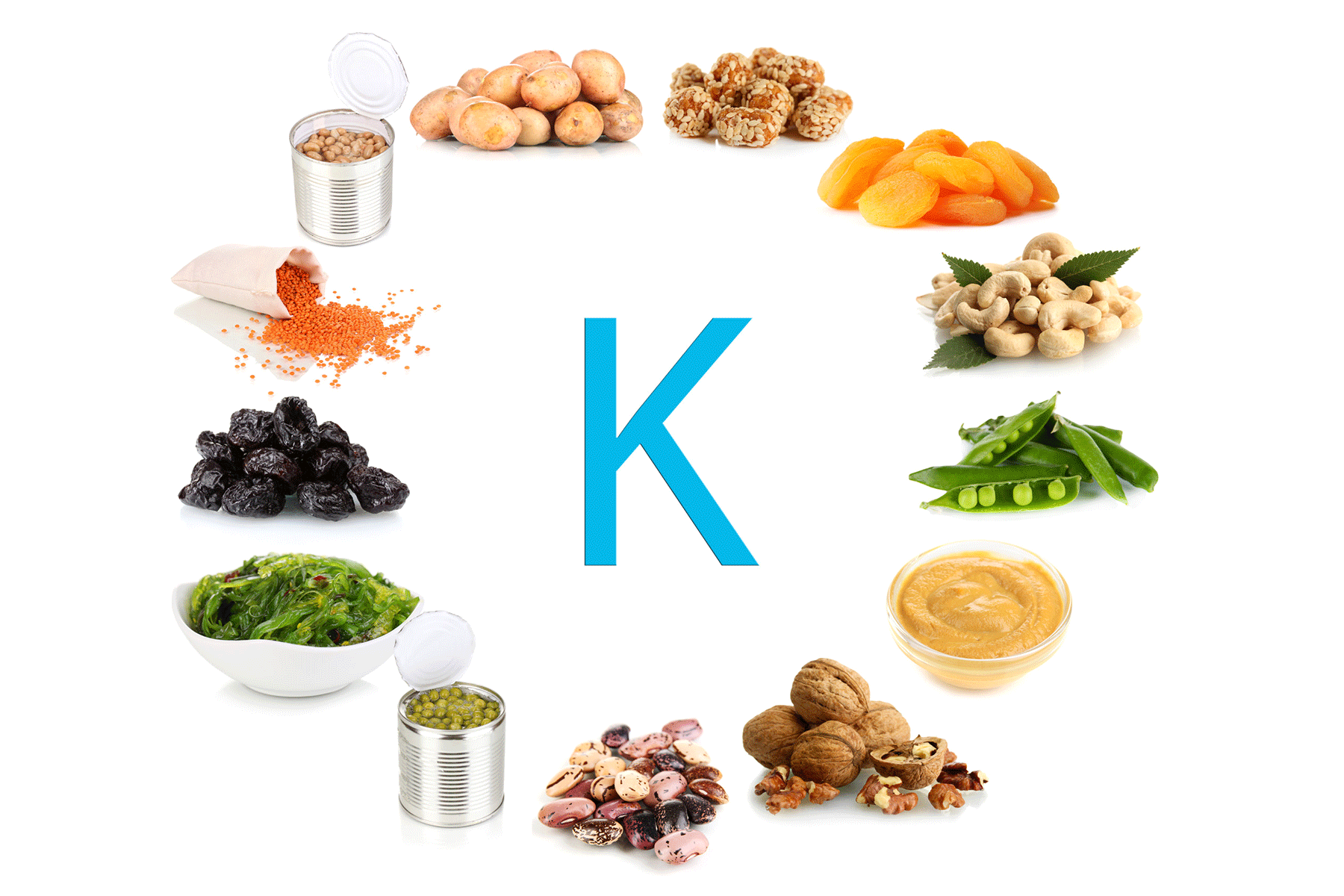
Potassium - What You Need To Know.
- A to Z, Health & Wellness
- August 1, 2021
© Copyright Food Manifest