Food Manifest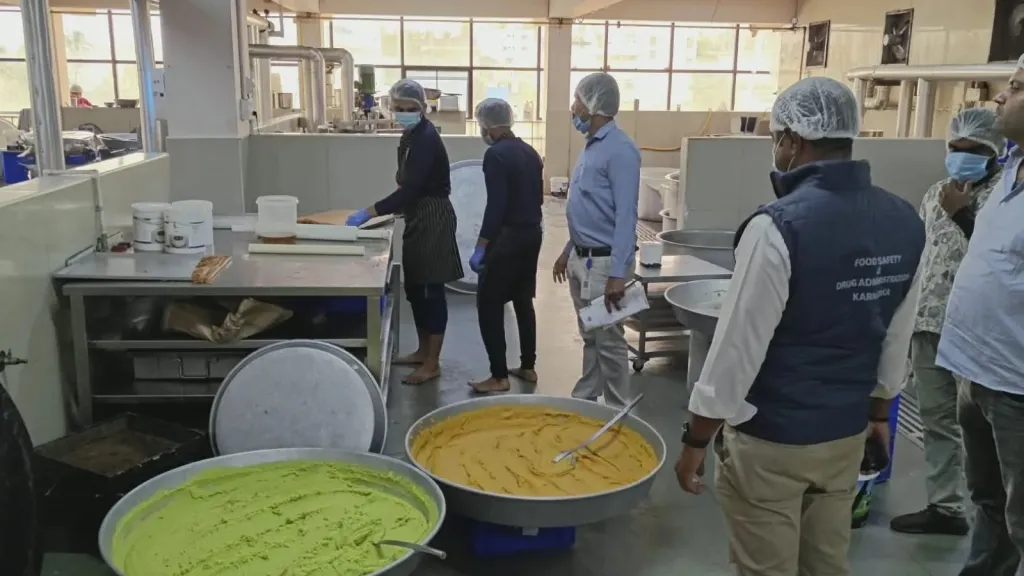
Key Update
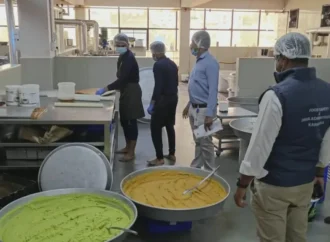
The Karnataka Food Safety and Drug Administration (FSDA) inspected 186 sweet-manufacturing units over two days ahead of Dasara and Diwali. The department issued notices to 25 establishments over alleged hygiene and food storage violations. According to an official FSDA statement issued on Friday night, authorities conducted the inspections on October 15 and 16. They collected 270 food samples during the special drive and sent them to government laboratories for analysis. The department inspected 80 sweet marts on October 15 and another 106 on October 16.
Kalaburagi Records the Highest Number of Notices
Among the establishments that received notices were Bansuri Sweets and Sangam Sweets in Bengaluru. Kalaburagi recorded the highest number of notices, with four, followed by Kolar, Raichur and Koppal, with three each. Authorities also imposed a penalty of ₹7,000 on two food business operators.
Inspectors Identify Hygiene and Labelling Violations
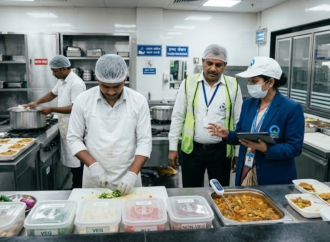
The FSDA identified several deficiencies during the inspections, including unhygienic food preparation and storage areas, missing medical fitness certificates for food handlers, and labelling violations. The department issued notices to the sweet-manufacturing units and food business operators concerned over these findings.
Karnataka Expands Food Safety Inspections
The latest drive follows inspections of 45 ice cream manufacturing units across Karnataka on October 8. During that operation, inspectors reportedly found expired food products at ice cream parlours in Bengaluru. These included biscuits, milk, alkalised tea and coffee mixes, and desiccated coconut powder. Authorities seized the products. The department has also inspected kitchens and food storage facilities at hotels, restaurants, fast-food outlets and private clubs as part of broader food safety enforcement efforts across the state.
Festive Season Puts Food Safety in Focus
The inspections highlight the need for food businesses to maintain hygienic preparation and storage conditions, ensure food handlers meet health requirements, and comply with labelling regulations. With demand for sweets and other festive foods rising during Dasara and Diwali, consistent hygiene practices and regulatory compliance remain essential to protecting consumers.
Source: The Indian Express