Food Manifest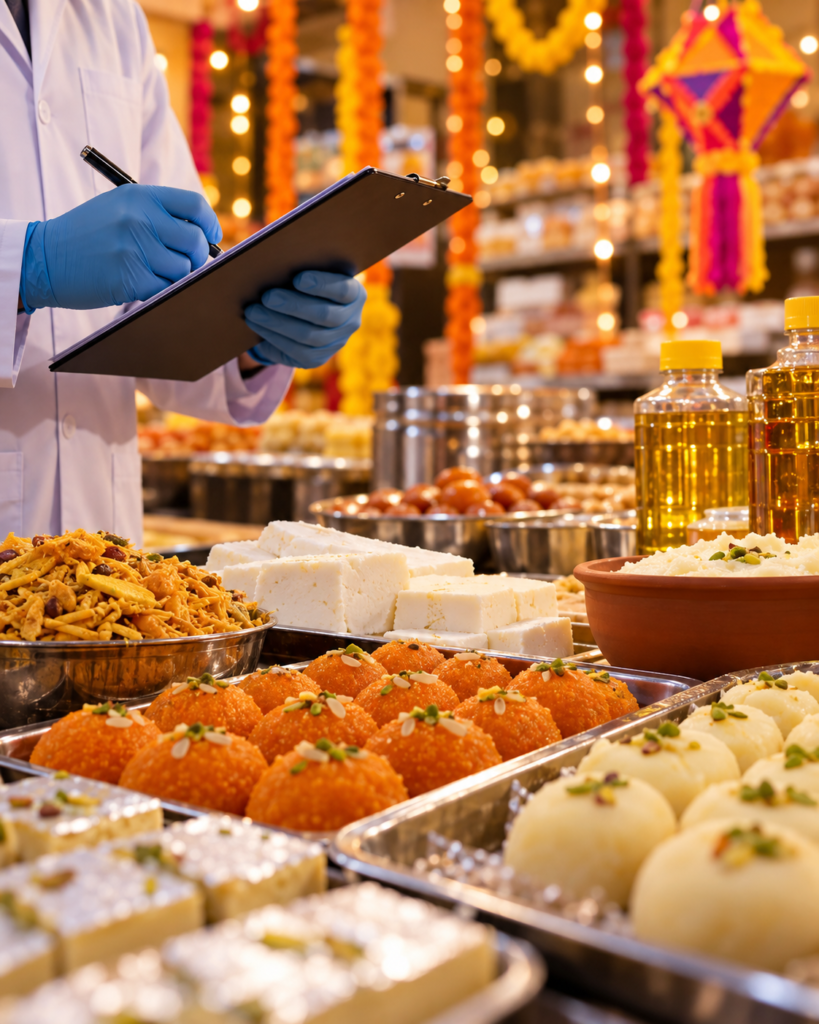
Key Update
The Food Safety and Standards Authority of India (FSSAI) has directed all states and Union Territories to intensify food safety inspections ahead of Navratri and Diwali to prevent the sale of adulterated, counterfeit and unsafe food products.
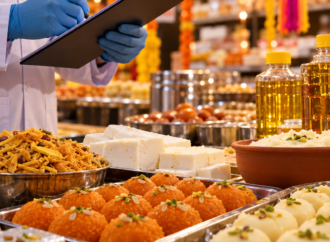
In a letter posted on X on October 6, FSSAI highlighted the rising demand for sweets, savouries, beverages, edible oils, milk and dairy products such as ghee, khoya and paneer during the festive season. It also warned that sellers may counterfeit products such as namkeen, papad, edible oils and beverages and sell them at lower prices. The regulator called for “heightened surveillance and enforcement actions” to address these risks.
FSSAI Directs States to Intensify Inspections
FSSAI has instructed food safety officers to inspect establishments and collect samples, prioritising identified hotspots and sensitive locations. Enforcement priorities may vary by region. For example, kuttu atta (buckwheat flour) and singhada atta (water chestnut flour) are commonly consumed during the festive period in northern and western India.
The regulator has also directed officials to deploy Food Safety on Wheels (FSW) vehicles strategically, wherever available, at prominent marketplaces or in response to specific intelligence inputs. These mobile units facilitate on-the-spot testing and help strengthen surveillance and consumer awareness.
Officials must record inspections, sampling activities and outcomes, and update the information in real time on the Food Safety Compliance System (FoSCoS) and Food Safety Compliance through Regular Inspection and Sampling (FoSCoRIS) portals.
Why Does Food Adulteration Rise During Festivals?
Rising festive demand can create financial incentives for adulteration and counterfeiting, as some sellers attempt to cut costs or increase profits. Government data show that food inspections by FSSAI and state authorities increased from 3,57,072 in 2023–24 to 5,20,566 in 2025–26, a rise of about 46%. Of the 2,23,808 samples analysed in 2025–26, authorities found 40,023 to be non-conforming.
The problem extends beyond sweets. During a recent enforcement drive in Maharashtra, the state Food and Drug Administration seized or destroyed thousands of kilograms of suspected adulterated food, including khoya, paneer, ghee, sweets, shrikhand and other dairy products. However, a non-conforming sample does not automatically indicate a serious health risk. Some products fail to meet standards because of quality or labelling deficiencies, while others may pose more significant safety concerns.
5 Red Flags to Watch for When Buying Festive Foods
Consumers can reduce their risk by checking products carefully and choosing reliable sellers.
- Unusually low prices: Be cautious of sweets, paneer, khoya or ghee sold well below prevailing prices by unfamiliar sellers.
- Missing label details: Check packaged foods for manufacturer details, batch information and date marking.
- Poor hygiene: Avoid buying loose dairy products from sellers who handle or store food unhygienically.
- Unverified suppliers: Be wary of unfamiliar sellers offering large quantities without credible information about the products’ source.
- Signs of spoilage: Avoid products with unusual odours, visible mould, unexpected discolouration or damaged packaging.
These warning signs do not prove adulteration, and contaminated food may look and smell normal. Buy from reliable, licensed outlets, check labels and storage conditions, and report suspected violations to the relevant food safety authorities.
Food Safety Requires Everyone’s Effort
Inspections alone cannot ensure food safety everywhere. Food businesses must maintain hygiene, source ingredients responsibly and follow food safety standards, while consumers should make informed purchases and report suspicious products.
Source: Deccan Herald