Food Manifest
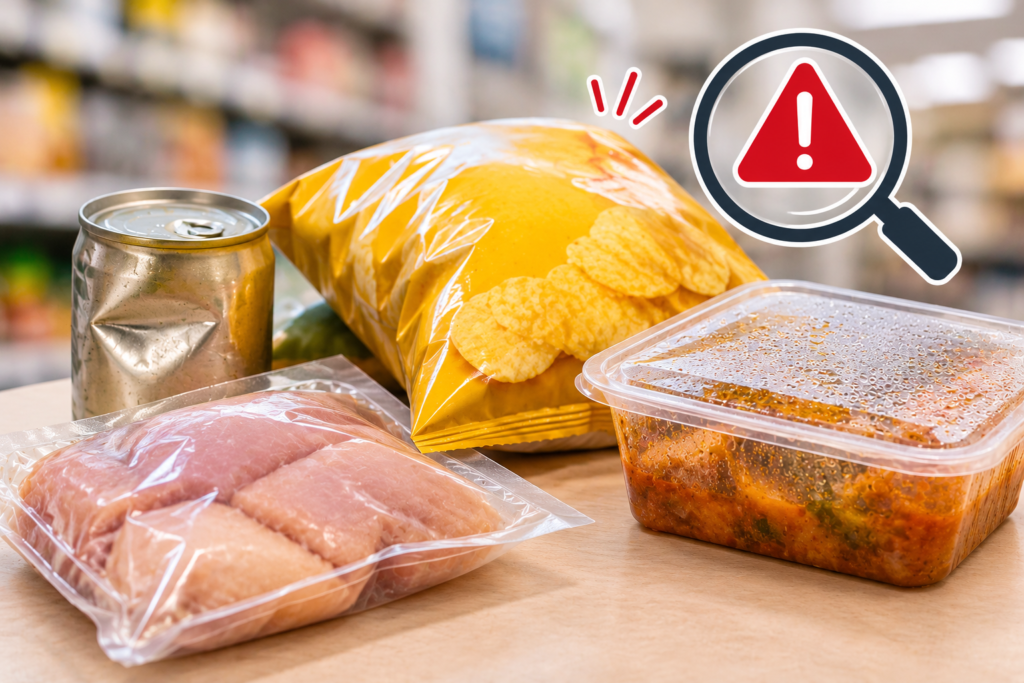
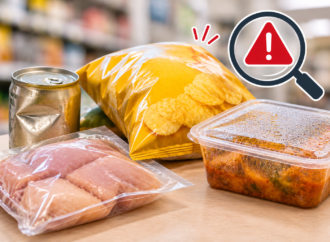
Food packaging does more than protect products during transportation and storage. It helps prevent contamination, preserve quality and maintain food safety. However, damaged or defective packaging can compromise these protective functions and expose food to potential contamination.
Consumers often check manufacturing and expiry dates before purchasing packaged food, but packaging condition deserves equal attention. Swollen packets, leaking seals, damaged cans and broken closures can indicate problems that should not be ignored. Knowing how to identify these defects can help consumers make safer food choices.
Swollen or Bulging Food Packet
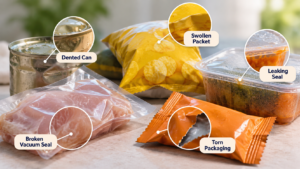
Swollen food packets are among the most noticeable packaging abnormalities. Unexpected swelling can occur when microorganisms produce gases inside the package during food spoilage. It may also result from chemical reactions or improper storage conditions. However, not every inflated packet indicates spoilage. Some manufacturers intentionally use modified atmosphere packaging (MAP), which introduces specific gases to protect food quality and extend shelf life.
Consumers should distinguish between intentional packaging designs and unexpected swelling. If a packet appears unusually inflated, differs from similar products or shows other signs of damage, avoid purchasing or consuming it.
Leaking or Damaged Seals
Packaging seals prevent air, moisture and external contaminants from entering food products. Damaged seals can compromise this protective barrier.
Leaks may occur due to poor sealing, rough handling, transportation damage or manufacturing defects. Even small openings can allow microorganisms and other contaminants to enter, particularly in products that require airtight packaging. Before purchasing packaged food, check the edges, joints and closures for gaps, tears or leakage. Avoid products with broken seals, especially ready-to-eat foods, dairy products and other perishable items.
Dented, Rusted or Bulging Cans
Canned foods undergo processing and sealing to prevent microbial contamination and extend shelf life. However, physical damage can compromise the integrity of the container. Deep dents, particularly around seams, may weaken the can and affect its seal. Rust can also damage the container over time. Bulging cans may indicate gas production caused by microbial activity or other internal changes. Consumers should avoid cans that are:
- Deeply dented, especially near seams.
- Bulging at the top or bottom.
- Leaking or showing signs of rust.
- Damaged around the opening or sealing areas.
Never taste food from a bulging or leaking can to check whether it is safe. Discard suspicious products without opening them.
Torn, Punctured or Cracked Packaging
Plastic pouches, cartons, bottles and other packaging materials can develop tears, cracks or punctures during manufacturing, transportation and storage. These defects may expose food to dust, moisture, insects and microorganisms. Products containing liquids can also leak, increasing the risk of contamination. Inspect packaging carefully before purchasing. Avoid products with visible holes, cracks, torn sections or damaged protective layers. Pay particular attention to packaging around corners, folds and opening points.
Broken Vacuum Seals
Vacuum packaging removes air from the package to help preserve certain food products. It is commonly used for meat, seafood, cheese and other perishable foods. An intact vacuum seal helps maintain the intended storage conditions. However, a broken seal can allow air to enter and affect product quality and safety.
If a vacuum-packed product appears loose, has lost its seal or contains unexpected air pockets, avoid purchasing it. Do not assume that refrigeration alone makes a product with compromised packaging safe.
Unusual Odours, Discolouration and Visible Contamination
Some packaging defects become apparent only after opening the product. Unusual odours, unexpected discolouration, mould growth or visible foreign particles can indicate spoilage or contamination. Consumers should pay attention to changes in the product’s appearance, texture and smell. However, foodborne pathogens do not always produce noticeable changes. Food can sometimes be unsafe even when it looks and smells normal. Never taste suspicious food to determine whether it is safe to eat. Follow the manufacturer’s storage instructions and discard products showing signs of spoilage.
Missing or Damaged Food Labels
Food labels provide essential information about a product, including its ingredients, allergens, manufacturing details, batch number, date marking and storage instructions. Missing, damaged, altered or unreadable labels can prevent consumers from verifying important product information. Before purchasing packaged food, check that the label is intact and legible. Look for the manufacturing and expiry or use-by dates, FSSAI licence details where applicable, batch identification and other mandatory declarations. Avoid products with tampered labels or missing essential information.
What Should Consumers Do When They Notice Packaging Defects?
Consumers can reduce food safety risks by following a few simple precautions:
- Inspect packaging carefully before purchasing food.
- Avoid products with broken seals, unexpected swelling or visible damage.
- Check manufacturing dates, expiry or use-by dates and batch details.
- Follow the storage instructions provided by the manufacturer.
- Do not consume products from damaged or suspicious packaging.
- Report suspected defective or unsafe products to the relevant food safety authorities.
- Retain the packaging and purchase details when reporting a suspected problem.
Conclusion
Food packaging plays an important role in protecting products from contamination and preserving their quality. However, damaged seals, swollen packets, dented cans and other defects can compromise this protection. Consumers should look beyond expiry dates and pay attention to packaging condition before purchasing or consuming food. Recognising warning signs and avoiding products with suspicious defects can help prevent potential food safety risks.
Remember: Safe food starts with careful inspection of its packaging.