Food Manifest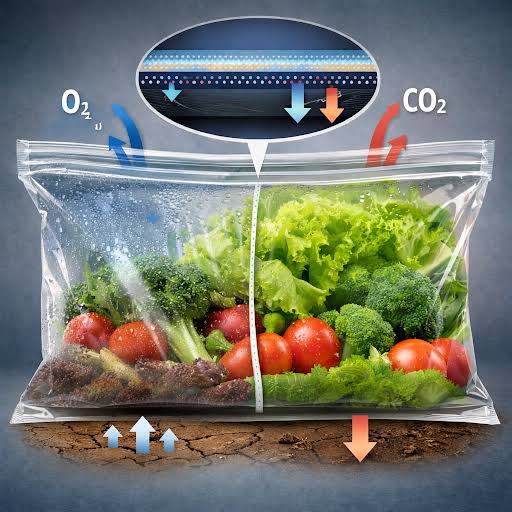
Have you ever opened a food package that looks tightly sealed, only to find that it contains more air than you expected? That air may be there for a reason. Modified Atmosphere Packaging (MAP) is a food-packaging technique in which the air inside a package is replaced with a carefully controlled gas mixture. By changing the atmosphere around the food, MAP can slow processes that cause deterioration, helping to maintain quality and extend shelf life.
What is Modified Atmosphere Packaging?
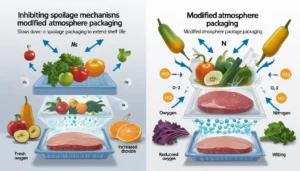
To understand MAP, it helps to first look at the air around us. Ordinary air contains about 21% oxygen, along with nitrogen, carbon dioxide and small amounts of other gases. In MAP, this natural atmosphere is deliberately changed to create conditions that are more suitable for the particular food being packaged.
Depending on the product, the package may contain different proportions of oxygen, carbon dioxide and nitrogen. The choice and concentration of these gases depend on factors such as the type of food, its respiration rate, microbial activity and the desired shelf life. Once the appropriate gas mixture is introduced, the package is sealed to maintain the modified atmosphere.
How does it help keep food fresh?
The gases used in MAP each have a different role, and the combination is chosen according to the needs of the food.
Carbon dioxide can slow the growth of many spoilage microorganisms, making it particularly useful for foods such as meat and other perishable products. Nitrogen, on the other hand, is relatively inert and can be used to replace oxygen. It can also help maintain the shape of the package by preventing it from collapsing.
Oxygen presents a different consideration. For some foods, reducing oxygen can help slow oxidation and quality deterioration. For others, however, oxygen is deliberately included. Fresh red meat, for example, may be packaged in an oxygen-rich atmosphere to help maintain its characteristic bright-red colour.
This is why there is no single gas mixture that works for every food. The atmosphere is carefully selected according to the product, its characteristics and the conditions under which it will be stored.
MAP is not the same as Vacuum Packaging
Because both methods can help extend shelf life, MAP and vacuum packaging are sometimes confused. However, they work differently. In vacuum packaging, much of the air is removed from the package before it is sealed. In MAP, the air is removed or displaced and replaced with a selected gas mixture before sealing. The difference is important because the packaging method and gas composition are chosen according to the characteristics of the food and the desired outcome.
Where is MAP used?
Because different foods have different packaging needs, MAP is used across a wide range of products. These include:
- Fresh meat and poultry
- Fish and seafood
- Fresh fruits and vegetables
- Bakery products
- Cheese and other dairy products
- Ready-to-eat foods
When properly designed and applied, MAP can help maintain characteristics such as appearance, texture and flavour while slowing food deterioration.
Does MAP make Food Safer?
While MAP can help control deterioration, it is important not to confuse extended shelf life with increased safety. MAP does not make food sterile or eliminate harmful microorganisms. Changing the atmosphere can slow the growth of some microorganisms, but certain microorganisms may still survive or grow under modified conditions. Some pathogens can also grow in environments with little or no oxygen.
Therefore, MAP is only one part of food preservation and does not replace good food-safety practices. Temperature control, hygienic handling, proper storage and adherence to the stated use-by or expiry date remain essential. This is particularly important for chilled MAP foods. Consumers should always follow the storage instructions on the package and avoid consuming products with damaged, leaking or compromised packaging.
What happens when you open the package?
The protective atmosphere inside a MAP package is maintained only while the package remains sealed. Once it is opened, the food comes into contact with ordinary air and the modified atmosphere is no longer maintained. As a result, the storage life after opening may be shorter than the shelf life stated for the unopened product. This is why instructions such as “consume within X days of opening” should not be overlooked.
Why does the package sometimes look inflated?
If you have ever noticed a slightly inflated food package, you may have wondered whether something is wrong. In MAP, some packages are intentionally filled with gas and may therefore appear slightly puffed. However, unexpected swelling, leaking, damaged seals, or other unusual changes in the package should not be ignored, particularly in chilled or ready-to-eat foods. When in doubt, follow the manufacturer’s instructions and avoid consuming a product that appears unsafe.
The Takeaway
Modified Atmosphere Packaging is a useful food-packaging technology that carefully changes the atmosphere surrounding food to help slow deterioration and extend shelf life. But MAP is not a substitute for food safety. Its benefits depend on appropriate packaging, storage conditions, temperature control and proper handling throughout the food chain. So, the next time you see a tightly sealed food package, remember: sometimes, it is not just what is in the food that matters – it is also what is in the air around it.