Food Manifest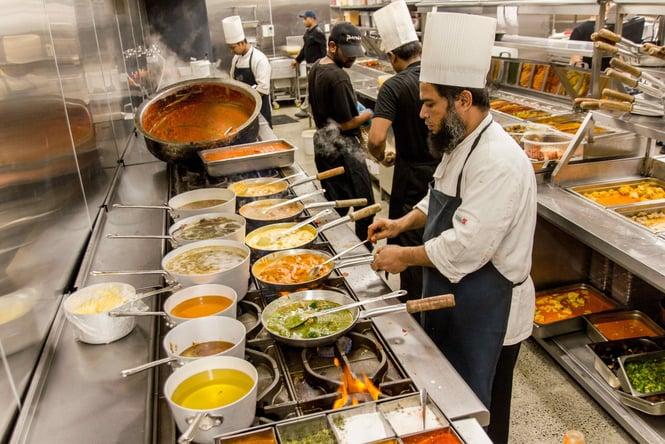
Key Update
Karnataka has directed hotels, restaurants, dhabas and other food establishments to strengthen food safety and hygiene practices after inspections found expired food products and poor hygienic conditions, including at some star hotels. In an advisory issued on August 11, the Food Safety and Drug Administration Department directed food business operators to follow strict requirements for food handling, storage, temperature control, staff hygiene, water quality, sanitation, pest control, transportation and waste disposal.
Hygienic Food Preparation
Food businesses must keep kitchens clean, well-maintained and adequately ventilated. They should use separate sinks for washing raw food and cleaning utensils to prevent cross-contamination. Operators must source ingredients from reliable suppliers, store them appropriately and check them regularly for spoilage. Staff should wash fruits and vegetables thoroughly and protect raw ingredients and prepared foods from contamination during storage.
Temperature Control and Cross-Contamination
Food businesses must prepare vegetarian and non-vegetarian foods separately and use dedicated chopping boards, knives and utensils. They must keep cold foods below 5°C, hot foods above 60°C and frozen foods at -18°C or below, wherever applicable. Operators should also avoid repeatedly reusing cooking oil and dispose of used oil through authorised channels.
Food Handler Hygiene
Food handlers must maintain good personal hygiene and wear clean uniforms, hairnets or head covers and other protective clothing where required. Establishments must maintain valid medical fitness records for food handlers and provide regular training on food safety and personal hygiene.
Water, Toilets and Pest Control
Food businesses must use safe, potable water for cooking, food preparation, cleaning and washing utensils. They must conduct regular water-quality testing and maintain records. Establishments must provide customers with safe drinking water and clean toilet facilities, along with adequate water, soap and hand-washing facilities. Operators must also conduct regular pest-control measures and maintain records.
No Expired or Spoiled Food
Operators must remove and safely dispose of expired products, spoiled produce and food showing fungal growth immediately. They must store raw meat, fish, seafood and vegetables separately. Chilled food should remain below 4°C, while frozen products should stay at -18°C or below. Businesses must also avoid unsafe artificial colours and unauthorised food additives.
Clean Premises and Safe Waste Disposal
Food businesses must keep floors, walls and ceilings clean and in good condition, without cracks, peeling paint or exposed electrical wires. Operators must keep waste bins covered, empty them regularly and remove segregated food waste promptly. They must transport food in clean, hygienic vehicles and maintain appropriate temperatures throughout transportation. Businesses must also display their food licence prominently and inform authorities about changes to their activities or processes. The department has made compliance mandatory and warned that violations, including expired food, contamination and unsafe water, may lead to action under applicable food safety laws.
Source: The Hindu