Food Manifest
Key Update
A laboratory report has detected chromium levels more than 1,000 times the permissible drinking water limit in samples collected near Nashik’s Ambad industrial area. The findings have raised public health concerns ahead of the 2027 Kumbh Mela, prompting the Maharashtra government to direct officials to act against industries responsible for pollution. The analysis found total chromium at 50.5 mg per litre, including 50.3 mg per litre of hexavalent chromium, a highly toxic form of the metal. The Bureau of Indian Standards (BIS) sets the permissible limit for chromium in drinking water at 0.05 mg per litre.
Environmental activists collected the samples from the Nandini river system, which flows into the Godavari. Ashwamedh Engineers and Consultants, an accredited private laboratory, tested the samples on October 3.
Chromium Contamination Raises Water Safety Concerns
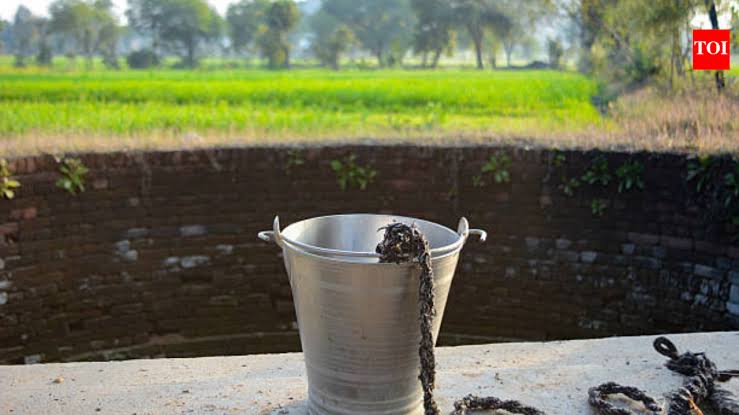
Residents in the Ambad area have reportedly complained about yellow-coloured water from household borewells, raising concerns about possible groundwater contamination. Environmental activists have also alleged that some industrial units discharge untreated wastewater into the surrounding environment. Hexavalent chromium is a known human carcinogen that can cause serious health problems. However, authorities must conduct further tests to determine whether the contamination has spread to nearby groundwater sources and assess the potential risks to residents.
Implications for Food Safety
Contaminated water can compromise food safety when people use it for drinking, cooking, washing produce, cleaning utensils, or sanitising food-contact surfaces. If the water contains hazardous chemicals, these activities could expose people to harmful substances. Contaminated water can also affect agricultural production when farmers use it to irrigate crops. Monitoring water quality across food production and preparation settings is therefore essential to prevent chemical hazards from entering the food chain.
Authorities Face Calls for Urgent Action
Maharashtra Environment and Climate Change Minister Pankaja Munde has directed Maharashtra Pollution Control Board officials to take appropriate action against industries found responsible for pollution, according to an official from her office. Environmental activists have called for a detailed investigation to establish the extent of contamination and identify the sources of industrial discharge.
With Nashik preparing to welcome large numbers of devotees for the 2027 Kumbh Mela, authorities must strengthen water quality monitoring, investigate suspected pollution sources, and prevent industries from discharging untreated wastewater. They must also assess the safety of water sources used by nearby communities. The findings highlight the importance of effective industrial waste management and regular water testing to protect public health and prevent contaminated water from threatening food safety.
Source: The Indian Express