 Food Manifest
Food safety guidance, regulations and best practice
Blog 1 Column Left Sidebar
- Home
- Blog 1 Column Left Sidebar
Protein Powder : Is It Good For You?
- A to Z
- May 23, 2022
Street Food Safety in India: Challenges and Solutions
- Food Hygiene, Food Safety, News
- November 19, 2024
Latest Posts






Thunchath Ezhuthachan University, Kerala, Shuts Down After Food Poisoning0
- A to Z, Food Hygiene, Food Safety, Health & Wellness, News
- January 27, 2025
Report Thunchath Ezhuthachan Malayalam University in Tirur of Malappuram district, Kerala has closed its campus following a food poisoning incident among students. Several students in the women’s hostel became affected after consuming food from the campus canteen. In response, the university took immediate action to shut down the campus until further notice. The Registrar in
READ MORE
Thrissur Customer Calls for Food Portion Regulation After Dosa Dispute0
Report A customer in Thrissur district in Kerala raised concerns about the lack of oversight in the food sector after receiving unsatisfactory portions at a local hotel. He filed complaints with both the Legal Metrology and Food Safety Departments but was informed that no legal action could be taken regarding the small portion sizes and
READ MORE
Thrikkakara’s Food Safety App Fails to Deliver0
- Food Safety, General, News
- February 22, 2025
Report Almost five months after the launch of the Thrikkakara Consumer Protection Forum app, which aimed to help consumers report food quality concerns in local eateries, the initiative has failed to produce results. An IT company from Thrissur developed the app, and Food and Civil Supplies Minister GR Anil introduced it in September of the
READ MORE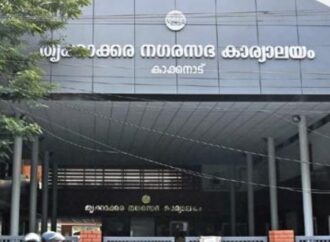
Thrikkakara Municipality Strengthens Food Safety Enforcement with Seizures and New App Initiative0
- Food Hygiene, Food Safety, News
- November 11, 2024
Overview As part of an inspection, Thrikkakara municipality health officials seized expired food items from restaurants along Collectorate Link Road in Kakkanad. The inspection was part of the municipality’s ongoing efforts to enforce food safety regulations. Health department officials transported the confiscated items to the municipality office, where they displayed them along with the names
READ MORE
Thrikkakara Municipality Launches Food Safety App0
- Food Hygiene, Food Safety, Health & Wellness, News
- September 30, 2024
Thoothukudi Rs 20 Biryani Restaurant’s License Suspended0
Report The Food Safety and Standards Authority of India (FSSAI) has temporarily suspended the license of a Thoothukudi restaurant in Tamilnadu that sells chicken biryani at Rs 20, following complaints of unhygienic food preparation and misleading claims about the dish. The suspension comes after a complaint to District Collector K Elambahavath raised concerns about the
READ MORE
About Food Manifest
We act as your one-stop resource on the web for all things food, food safety and hygiene, and well-being.The Food Manifest team utilises the blog platform with the goal of increasing social awareness on the important issues of food safety and health.
Food Manifest
C/o VManifest Private Limited.
Industrial Estate
Kalamassery, Kochi
Contact Us
Tel : 0484 3510629
foodmanifest@gmail.com
Get In Touch With Us
Latest Posts
Health & Welness
-

-

COVID and Coronavirus: Truth v/s Myth
- A to Z, General, Health & Wellness
- April 24, 2021
-
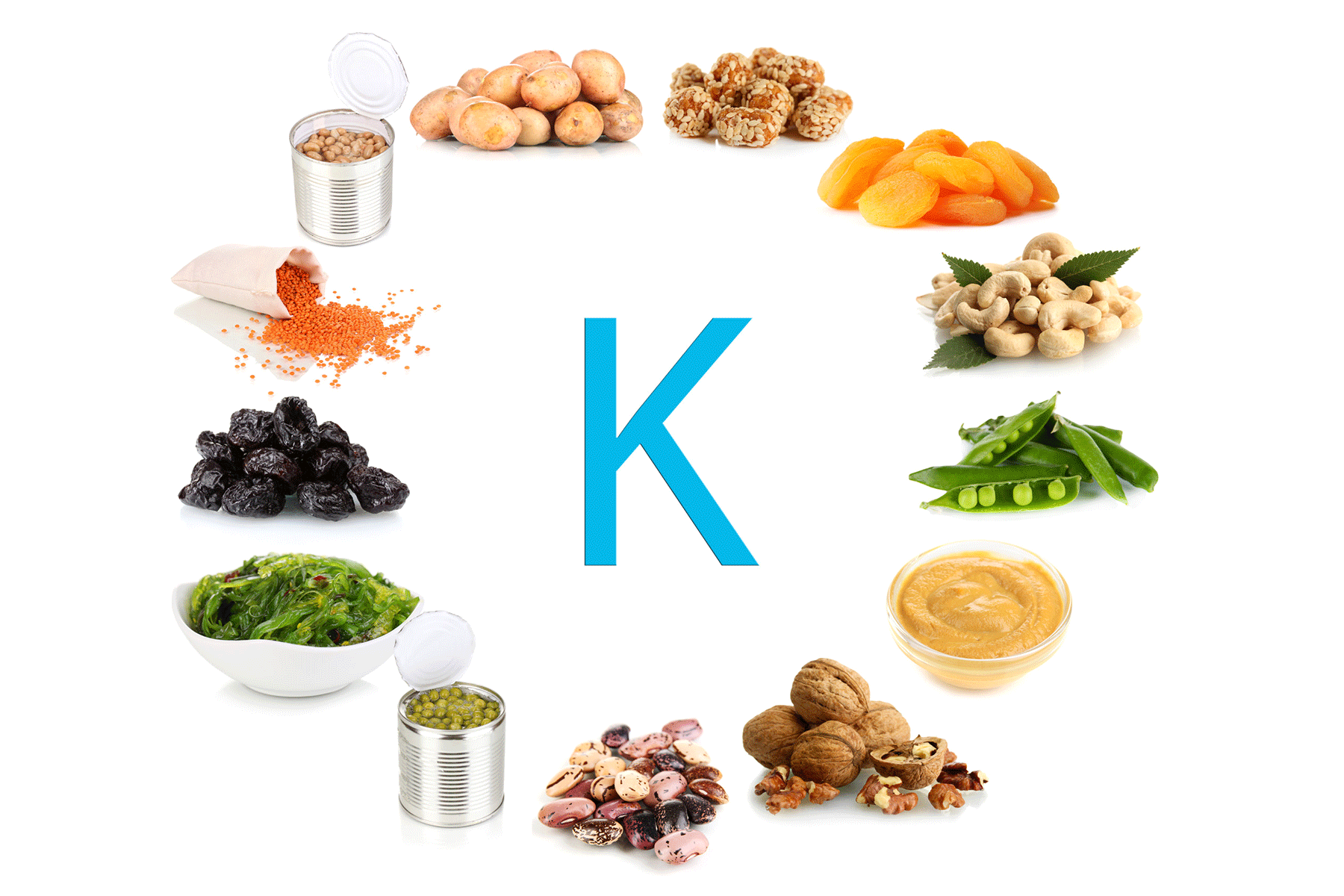
Potassium - What You Need To Know.
- A to Z, Health & Wellness
- August 1, 2021
© Copyright Food Manifest