 Food Manifest
The house of resource for food safety.
Blog 1 Column Left Sidebar
- Home
- Blog 1 Column Left Sidebar
Protein Powder : Is It Good For You?
- A to Z
- May 23, 2022
Street Food Safety in India: Challenges and Solutions
- Food Hygiene, Food Safety, News
- November 19, 2024
Latest Posts





What’s Moving from Packaging into Your Food?0
- A to Z, Event, Food Hygiene, Food Safety, Health & Wellness, News
- June 23, 2026
When you buy packaged snacks, store leftovers in plastic containers, or order food through delivery apps, you probably focus on the food itself. However, the packaging that holds your food can also influence its safety. While packaging helps protect food from contamination and damage, it can sometimes interact with the food it contains. This interaction
READ MORE
What’s in Your Ketchup? Viral Video Calls It a Chemical Cocktail0
- A to Z
- June 10, 2025
Overview A viral video on social media has reignited concerns about the ingredients in store-bought ketchup, calling it a “chemical cocktail disguised as an innocent sauce.” The video, originally posted on X (formerly Twitter) by user @TheFlatEartherr, has racked up over 1.1 million views and over 220 comments, with many users echoing the message: always
READ MORE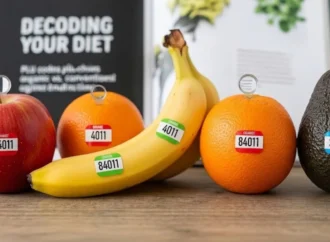
What Those Stickers on Fruits Actually Tell You (and What They Don’t)0
- A to Z, Food Hygiene, Food Safety, Health & Wellness, News
- May 4, 2026
You pick up an apple or a bunch of bananas from a shop. It looks fresh, clean, and ready to eat. Then you notice a small sticker on it—just a few numbers printed neatly. Most of us peel it off without thinking twice. Some people even assume it signals quality, safety, or better farming practices.
READ MORE
What is Hydrogenated Oil and Why Should You Care?0
- A to Z, Food Safety
- September 5, 2024
Hydrogenated oil is a common ingredient in processed foods because it enhances shelf life and stability. Manufacturers use it in products like margarine, baked goods, snacks, and fried foods. Although hydrogenated oil comes from natural sources such as soybeans and sunflowers, the process that creates it is synthetic. This process turns liquid vegetable oils into
READ MORE
What Are Product Claims? A Consumer’s Guide0
- A to Z, Food Laws, Food Safety, General, Health & Wellness
- July 9, 2026
Walk down any supermarket aisle, and you’ll find food packages covered with phrases like “Natural,” “High in Protein,” “No Added Sugar,” “Low Fat,” and “Gluten-Free.” These statements, known as product claims, highlight specific characteristics of a food and often influence purchasing decisions. While some claims provide valuable nutritional information, others primarily serve as marketing tools.
READ MORE
What Are Biogenic Amines and Why Should You Care About Them?0
- A to Z, General, Health & Wellness
- September 3, 2025
Have you ever wondered why certain foods like cheese, fish, or sausages sometimes have a strong, sharp smell — or why eating them can occasionally trigger headaches or allergic reactions? The secret behind this lies in tiny natural chemicals called biogenic amines. These compounds form during food spoilage or fermentation and can have a big
READ MORE
About Food Manifest
We act as your one-stop resource on the web for all things food, food safety and hygiene, and well-being.The Food Manifest team utilises the blog platform with the goal of increasing social awareness on the important issues of food safety and health.
Food Manifest
C/o VManifest Private Limited.
Industrial Estate
Kalamassery, Kochi
Contact Us
Tel : 0484 3510629
foodmanifest@gmail.com
Get In Touch With Us
Latest Posts
Health & Welness
-

-
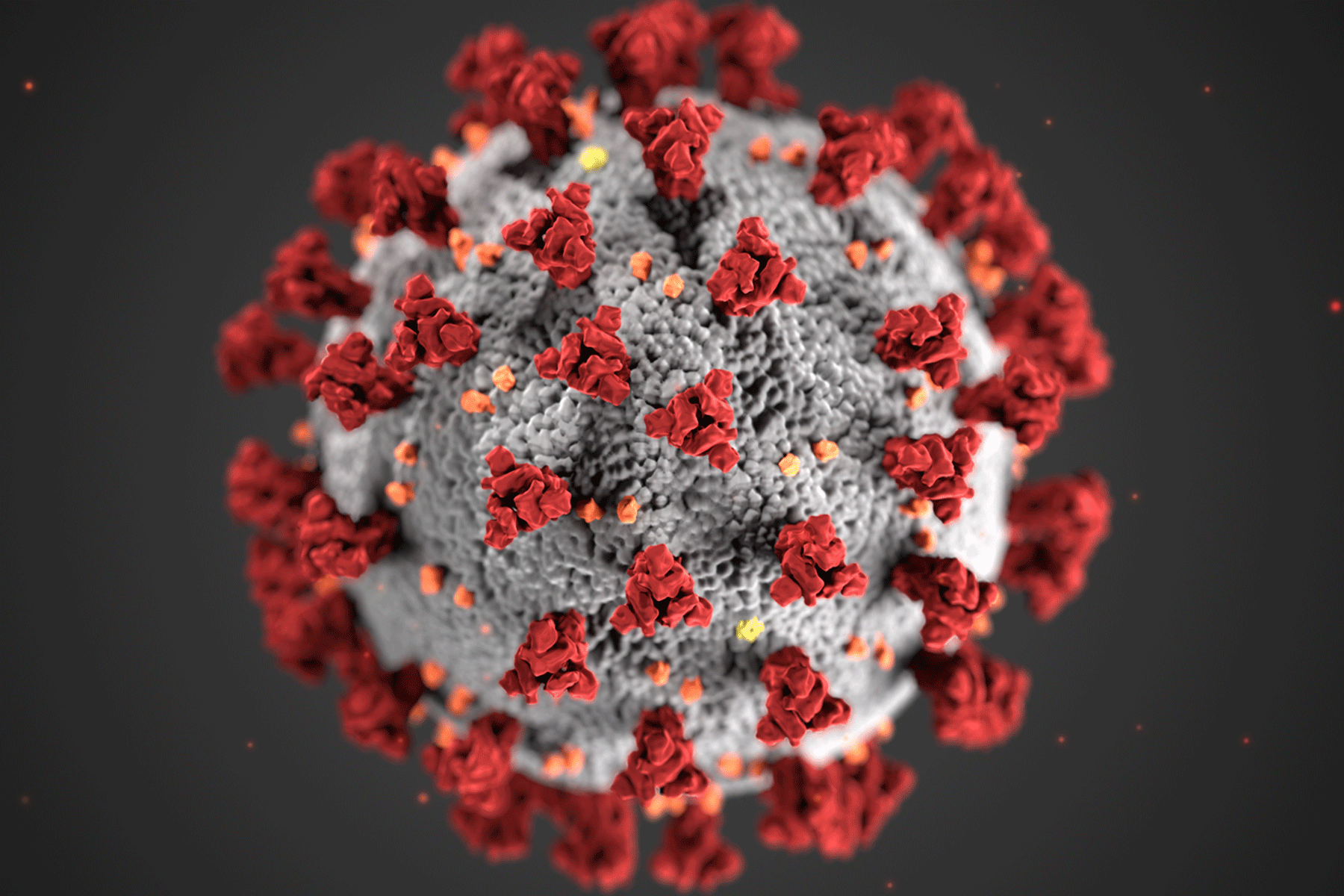
COVID and Coronavirus: Truth v/s Myth
- A to Z, General, Health & Wellness
- April 24, 2021
-
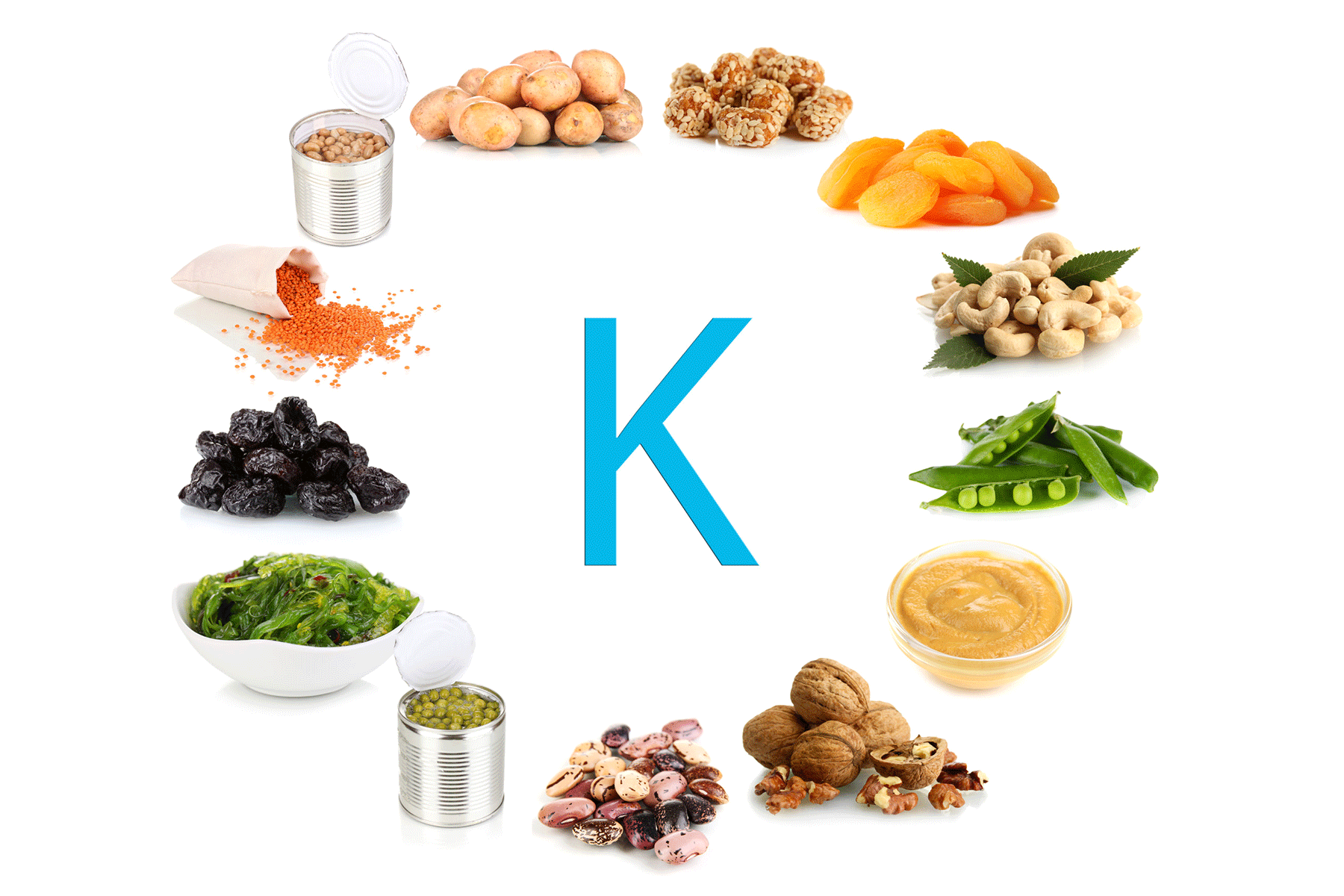
Potassium - What You Need To Know.
- A to Z, Health & Wellness
- August 1, 2021
© Copyright Food Manifest