 Food Manifest
Food safety guidance, regulations and best practice
food packaging
- Home
- food packaging

FSSAI Issues Guidelines for Safe, Sustainable Use of r-PET Packaging0
- A to Z, Food Hygiene, Food Safety, Health & Wellness, News
- May 29, 2025
Report The Food Safety and Standards Authority of India (FSSAI) has released long-awaited guidelines governing the use of recycled PET (r-PET) in food and beverage packaging. These rules introduce strict safety requirements to ensure that only high-quality, contaminant-free r-PET enters the food supply chain. Under the new framework, only r-PET processed through FSSAI-approved decontamination methods
READ MORE
FoodTech Kerala 2025 Opens May 22 in Kochi0
- A to Z
- May 20, 2025
Report Organisers will host the 16th edition of FoodTech Kerala, the state’s leading food processing and packaging exhibition, at Jawaharlal Nehru Stadium, Kochi, from May 22 to 24, 2025. State Industries Minister P. Rajeev will inaugurate the three-day event on May 22. Exhibitors Drive Innovation and Industry Collaboration Cruz Expos, the organizers, will bring together
READ MORE
NIT Rourkela Develops Eco-Friendly Seafood Wrap to Detect Freshness0
- Food Laws, Food Safety, Health & Wellness, News
- April 16, 2025
Report A research team from the National Institute of Technology (NIT), Rourkela, Odisha, has developed an eco-friendly seafood wrap designed to monitor freshness. This biodegradable packaging tracks seafood spoilage by detecting changes in pH (potential of hydrogen) levels, offering a practical tool to enhance food hygiene, reduce spoilage, and minimise waste. Natural Ingredients Power Smart
READ MORE

Hubballi-Dharwad Hotels Flout FSSAI Ban on Unsafe Food Packaging0
- Food Hygiene, Food Safety, Health & Wellness, News
- April 15, 2025
Report Despite a clear ban by the Food Safety and Standards Authority of India (FSSAI), many hotels and roadside eateries in Hubballi-Dharwad continue to indulge in unsafe food packaging, ie., single-use plastic and newspaper. FSSAI recently directed the Karnataka food safety department to investigate these violations, but the practice remains rampant. Authorities Struggle with Enforcement
READ MORE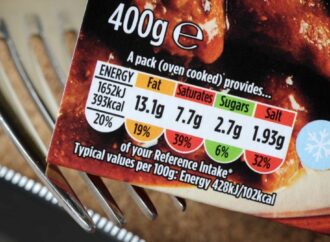
SC Tells Centre: Fix Food Labels in 3 Months0
- Event, Food Laws, Food Safety, General, Health & Wellness, News
- April 10, 2025
Report The Supreme Court on Wednesday directed the Centre to implement food safety regulations within three months, requiring clear and prominent display of key details on packaged food products. A bench of Justices J B Pardiwala and R Mahadevan firmly pressed the need for transparent labelling. “Do all of you have grandchildren?” Justice Pardiwala asked.
READ MORE
FSSAI Approves Use of Recycled PET for Food Packaging0
- Food Laws, Food Safety, General, Health & Wellness, News
- April 5, 2025
Report The Food Safety and Standards Authority of India (FSSAI) has revised its packaging regulations to permit the use of recycled polyethylene terephthalate (PET) in food packaging, marking a major shift toward sustainability. Ensuring Food Safety Standards Under the Food Safety and Standards (Packaging) First Amendment Regulations, 2025, FSSAI has lifted its ban on recycled
READ MORE
Protein Powder : Is It Good For You?
- A to Z
- May 23, 2022
Street Food Safety in India: Challenges and Solutions
- Food Hygiene, Food Safety, News
- November 19, 2024
Latest Posts





About Food Manifest
We act as your one-stop resource on the web for all things food, food safety and hygiene, and well-being.The Food Manifest team utilises the blog platform with the goal of increasing social awareness on the important issues of food safety and health.
Food Manifest
C/o VManifest Private Limited.
Industrial Estate
Kalamassery, Kochi
Contact Us
Tel : 0484 3510629
foodmanifest@gmail.com
Get In Touch With Us
Latest Posts
-

FSSAI Moves to Single-Phase Front-of-Pack Nutrition Warnings
- A to Z, Food Hygiene, General, Health & Wellness, News
- September 25, 2026
-

Customers Fall Ill, Kannur Cocktail Outlet Comes Under Scrutiny
- News
- September 25, 2026
-

FSSAI Tightens Food Safety Net on E-Commerce Giants
- A to Z, Food Hygiene, Food Safety, Health & Wellness, News
- September 25, 2026
-

-

Sabarimala Prasadam: FSSAI Flags Safety Gaps; TDB Acts
- A to Z, Food Hygiene, Food Safety, Health & Wellness, News
- September 24, 2026
Health & Welness
-

-

COVID and Coronavirus: Truth v/s Myth
- A to Z, General, Health & Wellness
- April 24, 2021
-
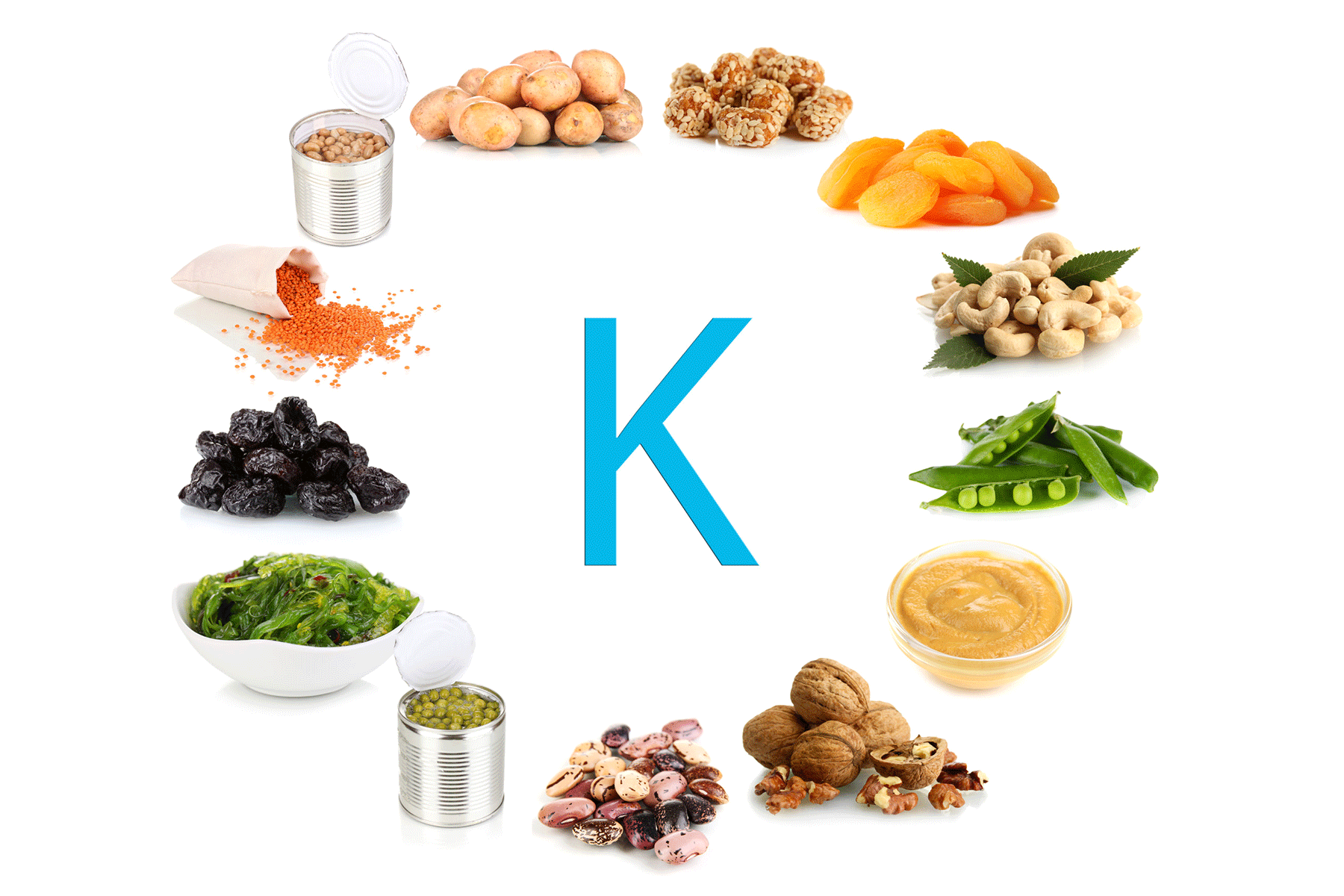
Potassium - What You Need To Know.
- A to Z, Health & Wellness
- August 1, 2021
© Copyright Food Manifest