Food Manifest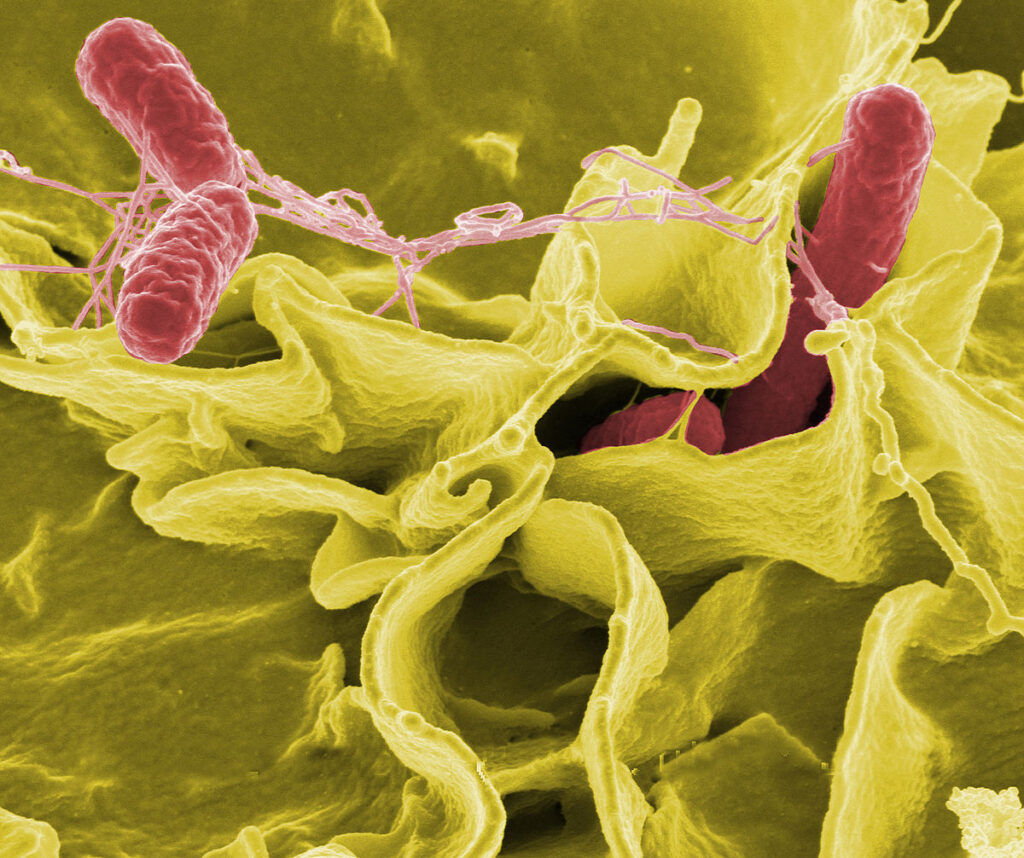
Food poisoning affects millions of people every year, and Salmonella is one of the most common causes. This harmful bacterium can contaminate everyday foods such as eggs, poultry, meat, milk, fruits, and vegetables. Because it does not usually alter the taste, smell, or appearance of food, people often consume contaminated food without realising the risk. Most Salmonella infections cause diarrhoea, fever, and stomach cramps that resolve within a few days.
However, some infections can become severe and lead to hospitalisation, particularly among young children, older adults, pregnant women, and people with weakened immune systems. Understanding how Salmonella contaminates food, how it spreads, and how to prevent infection can help consumers and food businesses keep food safe and reduce the risk of illness.
What Is Salmonella?
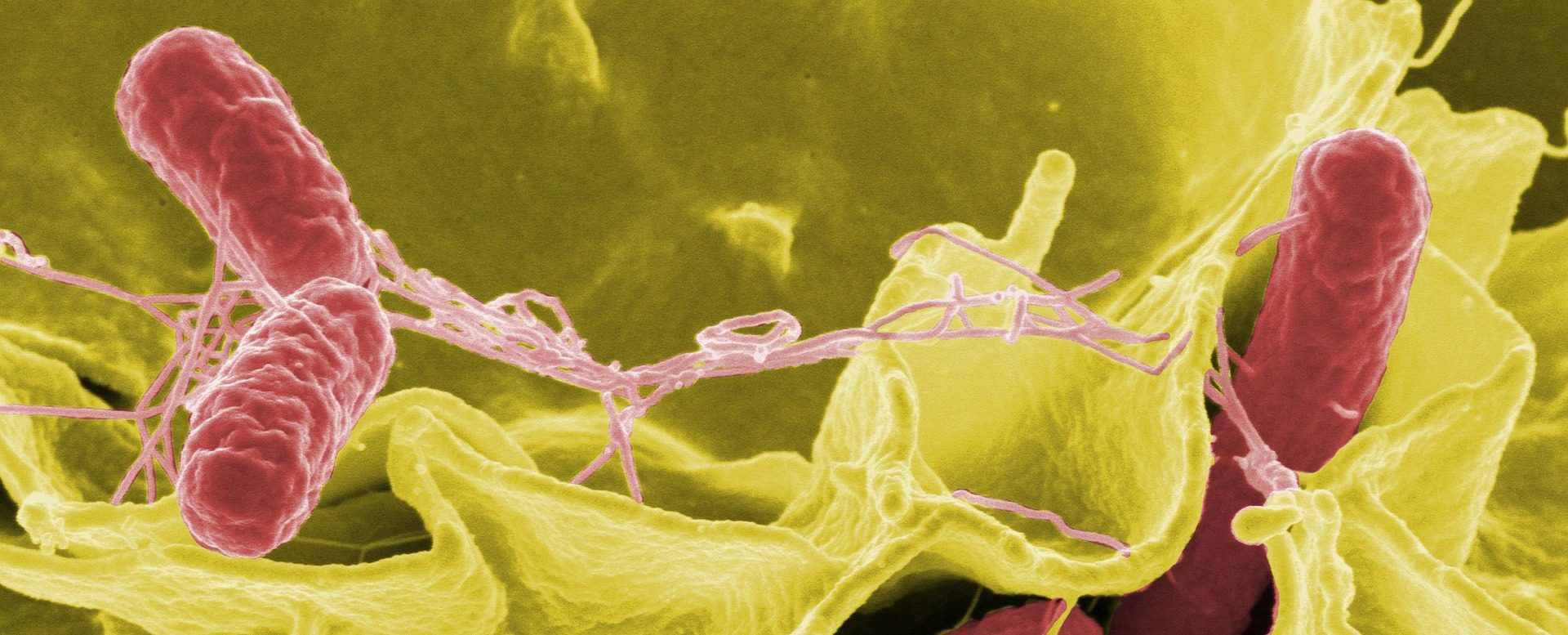
Salmonella is a group of bacteria that causes an infection known as salmonellosis. These bacteria naturally live in the intestinal tracts of humans, birds, reptiles, livestock, and other animals. When food or water becomes contaminated with animal or human faecal matter containing Salmonella, the bacteria can enter the food chain and eventually reach consumers. Scientists have identified more than 2,500 types of Salmonella. While not all of them cause disease in humans, several strains are responsible for foodborne illnesses worldwide. Unlike spoilage microorganisms that make food smell unpleasant or appear spoiled, Salmonella often leaves food looking completely normal. As a result, contaminated food can appear fresh and safe even when it contains enough bacteria to cause illness.
Where Is Salmonella Commonly Found?
Salmonella can contaminate a wide variety of foods throughout the production, processing, distribution, and preparation stages. Common sources include:
- Raw or undercooked poultry
- Eggs and egg products
- Raw or undercooked meat
- Unpasteurized milk and dairy products
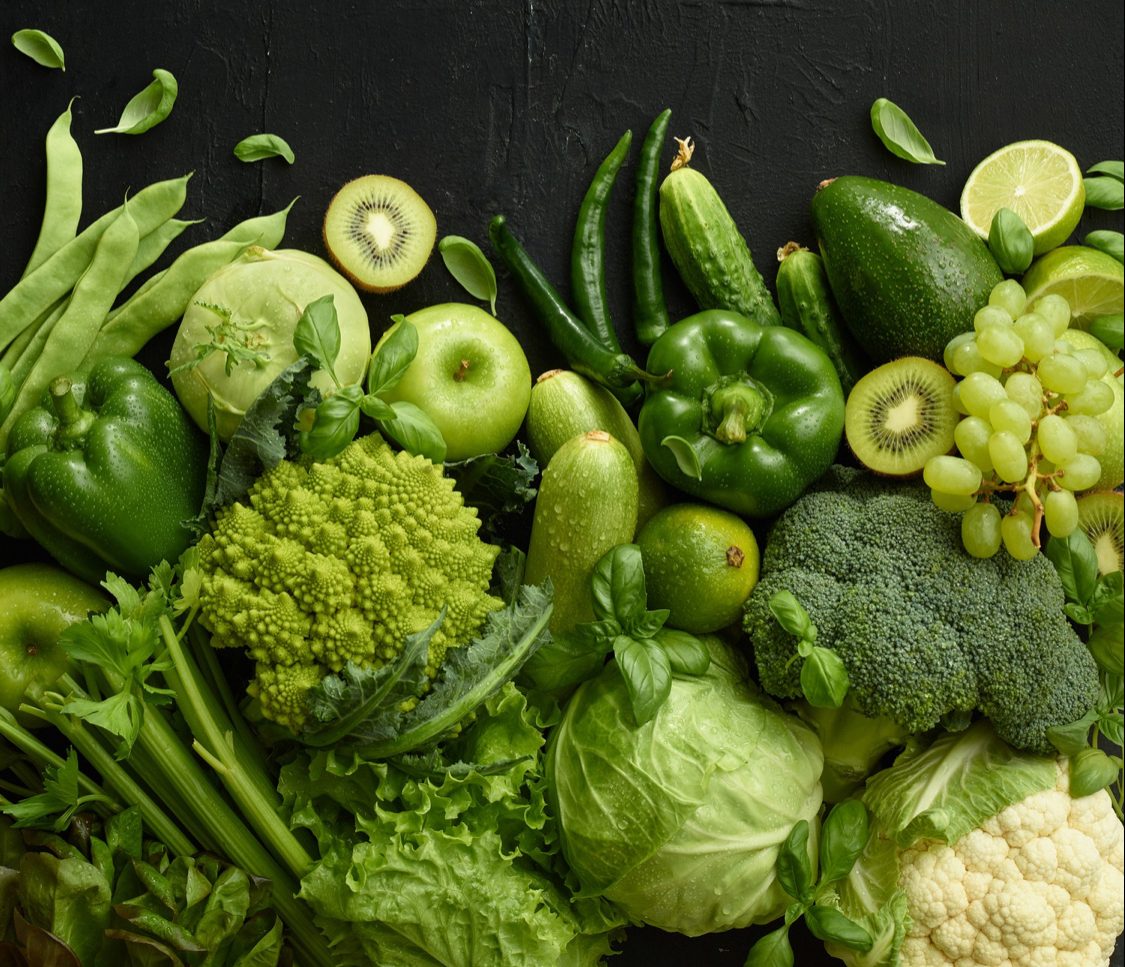
- Fresh fruits and vegetables
- Sprouts
- Seafood harvested from contaminated waters
- Ready-to-eat foods are exposed to contaminated raw ingredients
Animals can carry Salmonella without showing signs of illness. During slaughter, processing, transportation, or food preparation, the bacteria can transfer from animals to food products. Fresh produce can also become contaminated through irrigation water, soil, animal waste, or improper handling.
How Does Salmonella Spread?
Salmonella spreads primarily through the consumption of contaminated food or water. However, contamination can occur in several ways before food reaches the consumer. Cross-contamination is one of the most common causes. For example, using the same knife or cutting board for raw chicken and ready-to-eat foods without proper cleaning can transfer bacteria from the raw food to food that will not undergo further cooking.
Poor personal hygiene also contributes significantly to the spread of Salmonella. Food handlers who fail to wash their hands properly after using the toilet, handling raw foods, or touching contaminated surfaces can transfer bacteria to food. Improper temperature control creates another risk. Salmonella grows rapidly when food remains in the temperature danger zone for extended periods. Inadequate cooking may allow the bacteria to survive, while improper storage can encourage their multiplication.
Symptoms of Salmonella Infection
Symptoms typically appear between six hours and three days after consuming contaminated food, although the timing may vary.
Common symptoms include:
- Diarrhoea
- Fever
- Stomach cramps
- Nausea
- Vomiting
- Headache
- Loss of appetite
Most healthy individuals recover within four to seven days without specific treatment. However, severe diarrhoea can lead to dehydration, particularly in vulnerable groups. In some cases, Salmonella can move beyond the intestines and enter the bloodstream, causing more serious infections that require immediate medical attention.
Who Is Most at Risk?
Anyone can develop salmonellosis, but certain groups face a greater risk of severe illness.
These include:
- Infants and young children
- Older adults
- Pregnant women
- People with weakened immune systems
- Individuals undergoing cancer treatment
- People living with chronic illnesses such as diabetes or kidney disease
For these individuals, a Salmonella infection can result in serious complications and longer recovery periods.
How Can You Prevent Salmonella?
Fortunately, proper food safety practices can prevent most Salmonella infections.
Cook Food Thoroughly
Cook poultry, meat, seafood, and eggs thoroughly. Proper cooking destroys Salmonella and significantly reduces the risk of infection.
Avoid Cross-Contamination
Keep raw foods separate from cooked and ready-to-eat foods. Use separate cutting boards, knives, and utensils whenever possible.
Wash Hands Properly
Wash your hands with soap and water before handling food, after handling raw meat, after using the toilet, and after touching animals or pets.
Store Food Safely
Refrigerate perishable foods promptly and avoid leaving cooked foods at room temperature for extended periods.
Clean and Sanitise Food Contact Surfaces
Regularly clean and sanitise kitchen counters, cutting boards, utensils, and equipment used during food preparation.
Wash Fruits and Vegetables
Rinse fresh produce thoroughly under clean running water before preparation and consumption.
Buy Food from Reliable Sources
Purchase food from reputable suppliers who follow established food safety and hygiene practices.
Why Food Safety Matters
Preventing Salmonella requires vigilance at every stage of the food chain—from farms and food processing facilities to restaurants and home kitchens. Food businesses play a critical role by implementing hygiene programs, training employees, monitoring temperatures, and conducting regular food safety audits. Consumers also contribute to food safety through proper cooking, storage, and handling practices. When everyone follows food safety principles, the risk of Salmonella contamination decreases significantly.
Conclusion
Salmonella remains one of the leading causes of foodborne illness worldwide, but most infections are preventable. Understanding where the bacteria come from, how they spread, and how to control them empowers consumers and food businesses to make safer choices. Simple actions such as cooking food thoroughly, maintaining good hygiene, preventing cross-contamination, and storing food correctly can significantly reduce the risk of illness. Food safety is not just the responsibility of food manufacturers and restaurants—it begins in every kitchen and with every meal we prepare. This version is more informative, more authoritative, and better aligned with a food safety awareness website while remaining easy for the general public to understand.