Food Manifest
Key Update
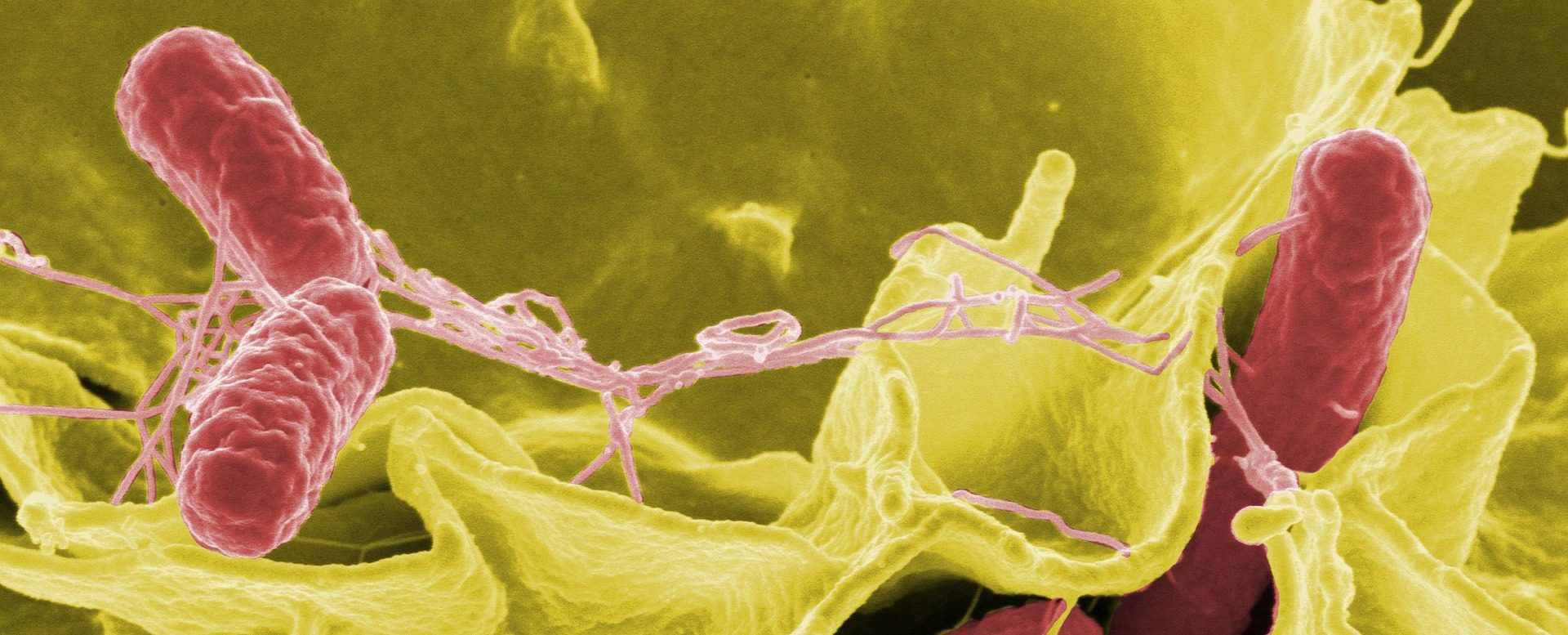
Danish health officials have confirmed 18 cases of Salmonella Strathcona since early November. The patients include 13 women and five men, ranging from 5 to 85 years old. The infections have spread across multiple regions of Denmark, much like how foodborne outbreaks cut across states in India.
The Statens Serum Institut (SSI) and Denmark’s food safety agencies have launched an investigation to trace the source. Lab tests show that the bacteria from all patients are almost genetically identical, suggesting they were exposed to the same contaminated food or water.
Possible Link to Ongoing Europe-Wide Spread
This Salmonella strain has circulated in Europe for more than a decade. Denmark first reported an outbreak in 2011, which investigators traced to tomatoes shipped from Sicily, Italy. European health authorities report that this strain has caused over 430 cases in 20 countries between 2023 and 2025. A few cases also appeared in the U.S. and Canada among travellers returning from Europe.
Earlier this year, officials detected the same strain in irrigation water at a tomato farm in Italy. This finding shows how contaminated water on farms can spread dangerous bacteria to fresh produce—a challenge that countries like India also face. After repeated positive results, authorities banned the use of that irrigation well.
Second Outbreak: 30 More Infected
A second outbreak involving Salmonella Typhimurium has sickened 30 people since early November. Investigators have not yet identified the source. Patients range from 7 to 84 years old and live in different parts of Denmark.
Lab tests again show that all samples are closely related, signalling a common contamination source, possibly a food item—similar to patterns seen in many foodborne outbreaks in India. Food safety authorities in Denmark continue to investigate both outbreaks to identify the exact source and prevent further infections.