Food Manifest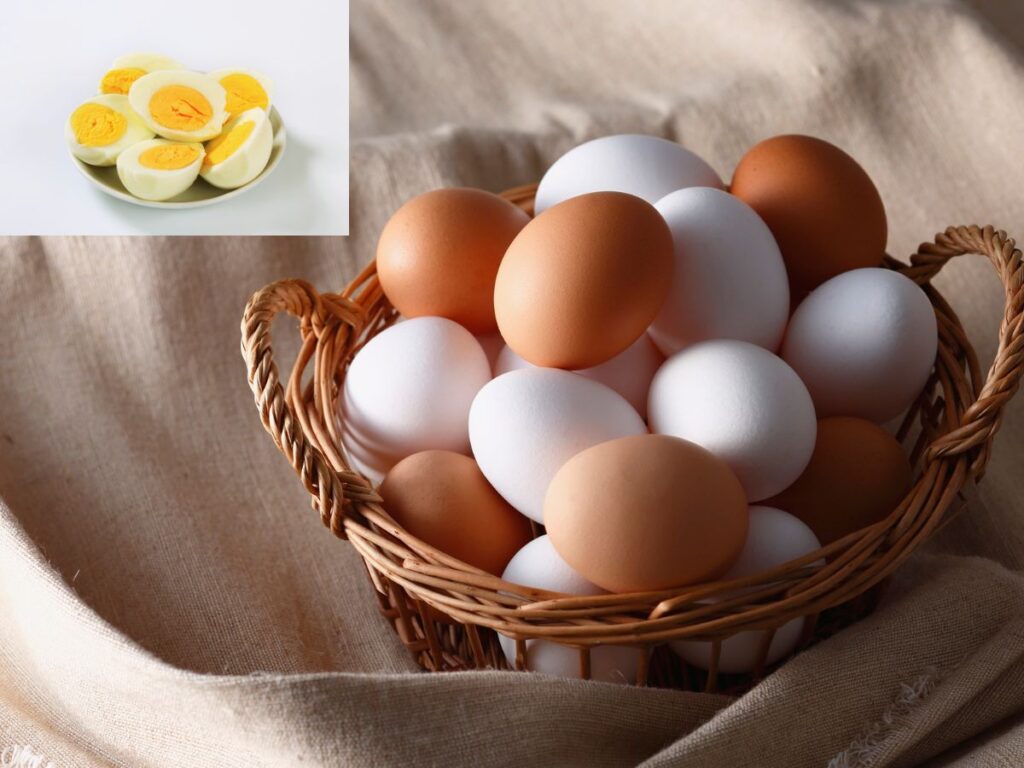
Key Update
The Food Safety and Standards Authority of India (FSSAI) has rejected claims linking egg consumption to cancer risk and stated that eggs sold in India are safe for consumption. The regulator said recent media reports and social media posts lack scientific evidence and unnecessarily alarm consumers.
Regulator Enforces a Strict Ban on Nitrofurans
Addressing concerns over the alleged presence of nitrofuran metabolites (AOZ), FSSAI said these trace marker residues may appear only when banned nitrofuran antibiotics are illegally used in poultry. The authority stressed that India’s food safety regulations strictly prohibit the use of nitrofurans at all stages of poultry and egg production and warned that claims suggesting eggs contain cancer-causing substances are misleading.
FSSAI Clarifies the Meaning of Residue Limits
FSSAI explained that the Extraneous Maximum Residue Limit (EMRL) of 1.0 µg/kg for nitrofuran metabolites functions only as a regulatory detection threshold, not as a permissible safety limit. The authority said trace detections below this level do not amount to a food safety violation and do not pose any health risk.
India Aligns With Global Food Safety Standards
The regulator said India follows global food safety practices. It noted that the European Union and the United States also ban nitrofurans and use reference values solely for enforcement. FSSAI clarified that differences in numerical benchmarks arise from analytical methods and not from differences in safety standards. On public health, FSSAI said no established causal link exists between trace-level dietary exposure to nitrofuran metabolites and cancer. The authority added that no health body worldwide has associated normal egg consumption with an increased cancer risk.
Isolated Findings Do Not Reflect the Egg Supply Chain
Responding to reports involving a specific egg brand, FSSAI said such findings remain isolated and batch-specific. The authority attributed them to inadvertent contamination or feed-related factors and said they do not represent the overall egg supply chain. FSSAI urged consumers to rely on official advisories and scientific evidence. The regulator reiterated that eggs remain a nutritious and safe part of a balanced diet when producers and consumers follow food safety norms.
Source: The Times of India