Food Manifest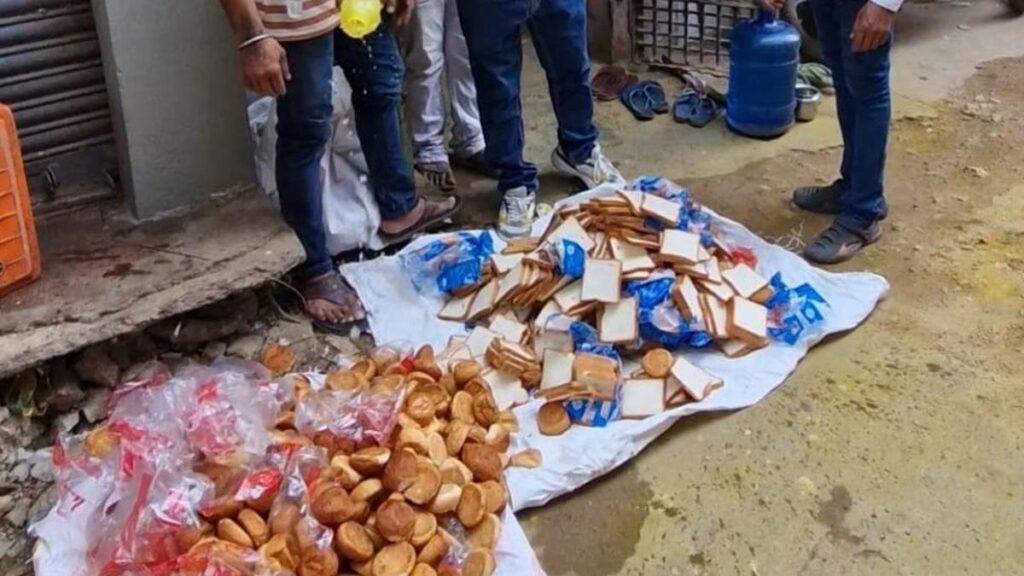
Key Development
Telangana has strengthened food safety enforcement through month-wise inspections of high-risk food categories. Authorities have focused on edible oils, seeds and spices, bakeries, and packaged drinking water units to reduce contamination risks and improve compliance. After completing drives on seeds, spices and edible oils, officials are currently inspecting bakeries and packaged drinking water facilities due to their higher public health risk.
Packaged Drinking Water Poses Testing Challenges
Inspections of packaged drinking water units require microbiological testing, sterile sample collection, and strict transport protocols. Limited laboratory capacity has slowed processing, as testing facilities handle a high volume of samples. The department has revived enforcement mechanisms by filling vacant posts of Food Safety Officers and designated officers, reissuing notifications, and resetting inspection procedures. While enforcement earlier remained concentrated in urban areas, similar systems now operate across the State.
Sampling, Penalties, and Compliance
Officials collect surveillance samples to assess food quality and act samples to support legal action. Act samples are tested within the mandated timeline, while surveillance samples take longer due to laboratory load. Authorities have directed officers to impose deterrent penalties to prevent repeat violations. Food safety inspections now include e-commerce warehouses, where officials verify registration, check expiry compliance, and issue improvement notices. Unsafe or substandard products face prosecution or adjudication.
Risk-Based Approach to Food Safety
Authorities stress that effective food safety relies on targeted inspections, strong enforcement systems, and awareness, rather than raids alone.
Source: The Hindu