Food Manifest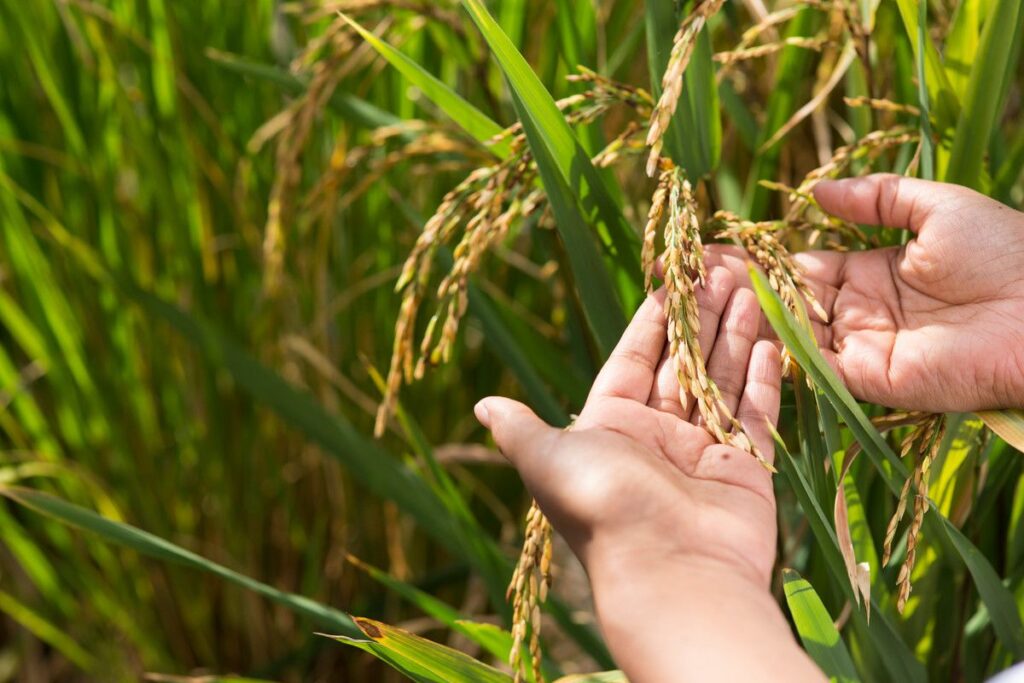
Key Development
As Bihar battles large-scale contamination of water, soil, and foodgrains by arsenic, fluoride, and other toxic elements, a small group of scientists is working to find sustainable solutions. Their research, though limited in scale, is offering a rare ray of hope to communities living with chronic exposure to environmental toxins.
Lab Develops Crops Safe for Contaminated Areas
At the centre of this effort is the Environmental Biology Laboratory at Patna Science College, which has been developing food crops that are arsenic-free even when grown in contaminated soil and irrigated with polluted groundwater. The lab has reported promising results, suggesting that science-backed, nature-based interventions can help address one of Bihar’s most persistent public health challenges.
Arsenic in Food Poses Serious Health Risks
Leading the research team, Shardendu, a retired professor of botany at the college, stressed that arsenic contamination in foodgrains poses a grave health risk and requires urgent attention. He warned that arsenic exposure through food can cause severe illnesses, including cancer, making food safety as critical as access to clean drinking water.
How Arsenic Enters the Food Chain
Arsenic occurs naturally in groundwater and enters agricultural fields through irrigation. It gradually accumulates in staple crops such as rice, wheat, and potatoes, as well as in mushrooms and leafy vegetables. According to Shardendu, foodgrains often contain higher levels of arsenic than drinking water, and long-term consumption of contaminated produce can lead to arsenicosis, a condition caused by arsenic accumulation in the human body.
Bioremediation Offers a Sustainable Solution
While conventional measures such as groundwater treatment, aquifer dilution, and filtration systems provide partial relief, Shardendu said the most effective long-term solution lies in bioremediation. This approach works in harmony with natural processes, utilising living organisms to mitigate arsenic contamination.
Microbes Help Remove Arsenic from Soil
Bioremediation takes advantage of the natural ability of certain plants and microorganisms to tolerate and absorb arsenic. Researchers at the environmental biology laboratory have identified arsenic-resistant bacteria living in the rhizosphere—the soil zone surrounding plant roots. These bacteria survive in arsenic-rich conditions, promote plant growth, and enhance the extraction of arsenic from contaminated soils.
Towards Safer Food and Healthier Communities
By harnessing these beneficial microbes, scientists aim to develop arsenic-free food crops suitable for cultivation in affected regions. Shardendu said this environmentally friendly and cost-effective approach could play a crucial role in improving food safety and protecting public health in arsenic-affected areas of Bihar.
Source: The Times of India