Food Manifest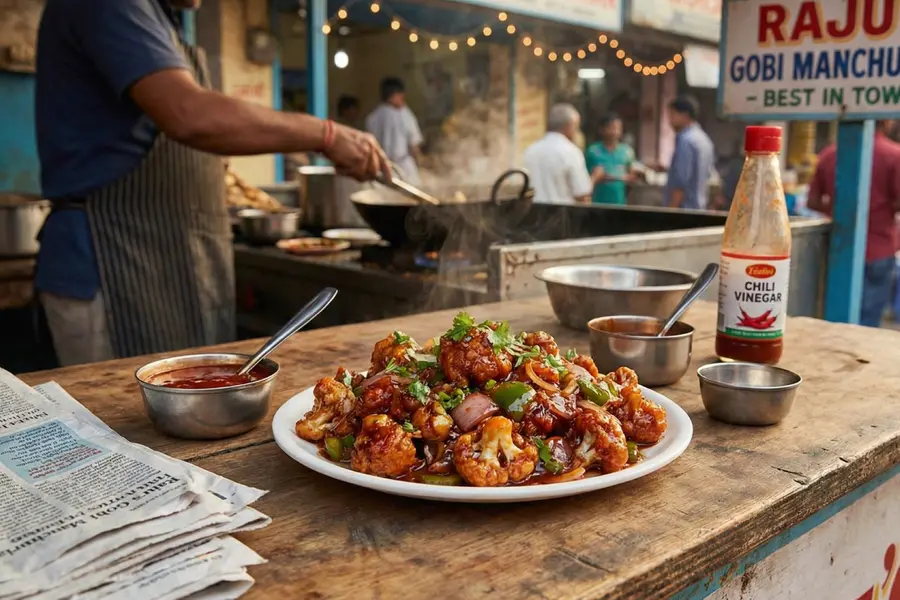
Key Update
Organisers of the annual Bodgeshwar temple zatra in Mapusa, North Goa, have banned the sale of gobi manchurian and tandoori chicken at temporary food stalls, citing serious food safety and hygiene concerns. The decision follows repeated complaints from visitors in previous years about unhygienic food preparation during the crowded fair.
Why Gobi Manchurian and Tandoori Chicken Were Flagged
Gobi manchurian and tandoori chicken remain popular street foods during temple fairs. However, organisers observed that vendors often prepare these dishes in open, roadside conditions without adequate sanitation. Stalls commonly display raw or partially cooked chicken in the open, increasing the risk of cross-contamination and bacterial growth.
Committee members also flagged the frequent use of synthetic food colours, excessive flavour enhancers such as monosodium glutamate (MSG), and poor-quality sauces. These practices, combined with improper cooking temperatures and unsafe storage, can raise the risk of foodborne illness among fairgoers.
Licensing and Conditions for Permitted Food Stalls
The Shri Bodgeshwar Temple Committee has allowed only select local vendors to operate during the fair. Vendors selling traditional dishes such as omelette pao and Goan chicken xacuti may function, provided they hold valid licences from the Directorate of Food and Drugs Administration (FDA) and obtain no-objection certificates from the concerned departments.
Organisers have also introduced structured stall placement and planning to improve cleanliness, waste management, and crowd control. The committee has clearly stated that it will not permit live cooking stalls or those displaying raw meat in unhygienic conditions.
Past Actions Highlight Ongoing Food Safety Risks at Fairs
Authorities have taken similar measures in the past to address food safety risks at large public events. In 2024, the Mapusa Municipal Council unanimously banned gobi manchurian at the Bodgeshwar temple fair. Earlier, in 2022, the state Food and Drugs Administration issued directions to restrict the number of stalls selling the dish at a temple fair in South Goa.
These actions reflect growing concern over unsafe food practices at mass gatherings, where high temperatures, overcrowding, and limited hygiene controls can quickly lead to food contamination.
Protecting Public Health at Mass Gatherings
Temple committee members emphasised that public health remains the priority, even if it means restricting popular street foods. By enforcing licensing, limiting high-risk foods, and improving stall management, organisers aim to reduce the chances of foodborne illness during the fair.
Food safety experts note that such preventive measures play a crucial role in protecting vulnerable groups, including children and the elderly, and encourage other festival organisers to adopt similar standards.
Source: The Indian Express