Food Manifest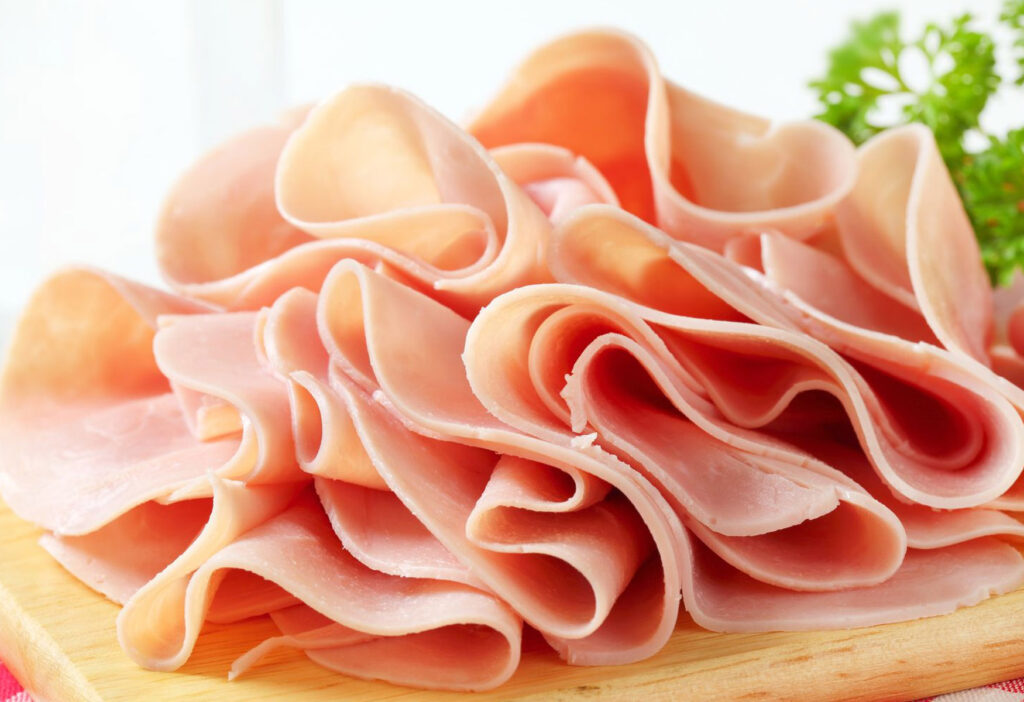
Overview
The World Health Organisation classifies processed deli meats, such as deli ham, as Group 1 carcinogens. This classification places them in the same risk category as tobacco and asbestos because strong evidence links their regular consumption to cancer.
Health Risks of Deli Ham
Cancer risk:
Eating processed meat regularly—even about 50 grams a day (roughly two slices)—increases the risk of colorectal cancer. Studies also suggest possible links to breast and prostate cancers.
Heart disease and diabetes:
A 2025 Nature Medicine study shows that even small amounts of processed meat increase the risk of diabetes and serious heart disease.
High sodium and saturated fat:
Deli ham contains much higher levels of sodium and saturated fat than fresh pork. These nutrients raise blood pressure, increase LDL (bad) cholesterol, and elevate the risk of stroke and heart disease.
Why Deli Ham Raises Concern
Nitrates and nitrites:
Manufacturers add nitrates and nitrites to preserve deli meats. In the body, these compounds can form nitrosamines that damage the colon lining and increase cancer risk.
Ultra-processing:
Manufacturers often produce deli meats from reconstituted meat paste rather than whole cuts of meat. They add ingredients such as carrageenan, maltodextrin, and corn syrup solids to improve texture, flavour, and shelf life. Regular consumption of these ultra-processed foods contributes to inflammation, metabolic imbalances, and a higher risk of chronic diseases.
Source: Cancer Council NSW