Food Manifest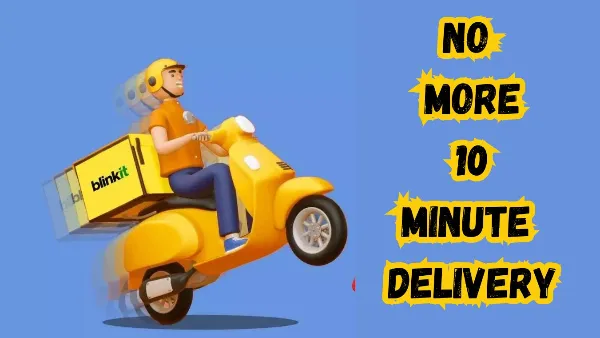
Key Update
The Government of India has asked quick commerce apps to stop advertising “10-minute delivery” promises, citing concerns over delivery rider safety and working conditions. The direction follows discussions between the Union Labour Ministry and major quick commerce companies after a nationwide strike by gig workers earlier this month.
Delivery workers across the country protested against unsafe riding conditions, long working hours, low pay, and constant pressure to meet aggressive delivery timelines. While the strike caused limited disruption to customers, it highlighted growing safety risks in India’s rapidly expanding quick commerce sector.
Platforms Asked to Change Branding
After the protests, government officials held closed-door discussions with company representatives and advised platforms to remove ultra-short delivery guarantees from their branding and marketing communication. Officials said such claims can encourage unsafe riding practices and unrealistic expectations.
Major players, including Zomato, Blinkit, and Zepto, took part in the discussions. According to officials, companies were asked to avoid promoting delivery timelines that could compromise worker safety. Blinkit has reportedly removed the “10-minute” claim from its promotional material, and other platforms are expected to follow.
Fast Deliveries Continue on the Ground
Despite the advisory, users in several cities continue to see delivery estimates of under 10 minutes on mobile apps. Industry sources say this is due to the widespread use of dark stores located close to residential areas, allowing faster order fulfilment without formal delivery guarantees.
Workers Welcome Move, Flag Deeper Issues
Delivery workers say missing delivery targets often leads to penalties or reduced order allocations. Experts note that although platforms classify gig workers as independent contractors, algorithm-driven systems closely link earnings to speed, ratings, and order acceptance.
Labour unions have welcomed the government’s intervention as a step toward improving rider safety. However, they caution that pressure to deliver quickly may persist unless platforms address deeper issues such as low per-order pay, lack of social security, and infrastructure challenges.
Source: Foodtech News