Food Manifest
Overview
Cracking an egg usually reveals a clear or slightly cloudy white and a firm yellow yolk. If the egg white appears pink, red, green, grey, or iridescent, it is a warning of bacterial contamination and should never be consumed.
Normal vs Unsafe Egg Whites
A fresh egg white (albumen) may look slightly cloudy due to natural carbon dioxide and proteins. This is harmless. Discoloured or red egg whites, however, indicate bacterial growth, often caused by:
- Improper storage temperatures
- Warm or humid conditions
- Cracked or damaged shells allow bacteria to enter
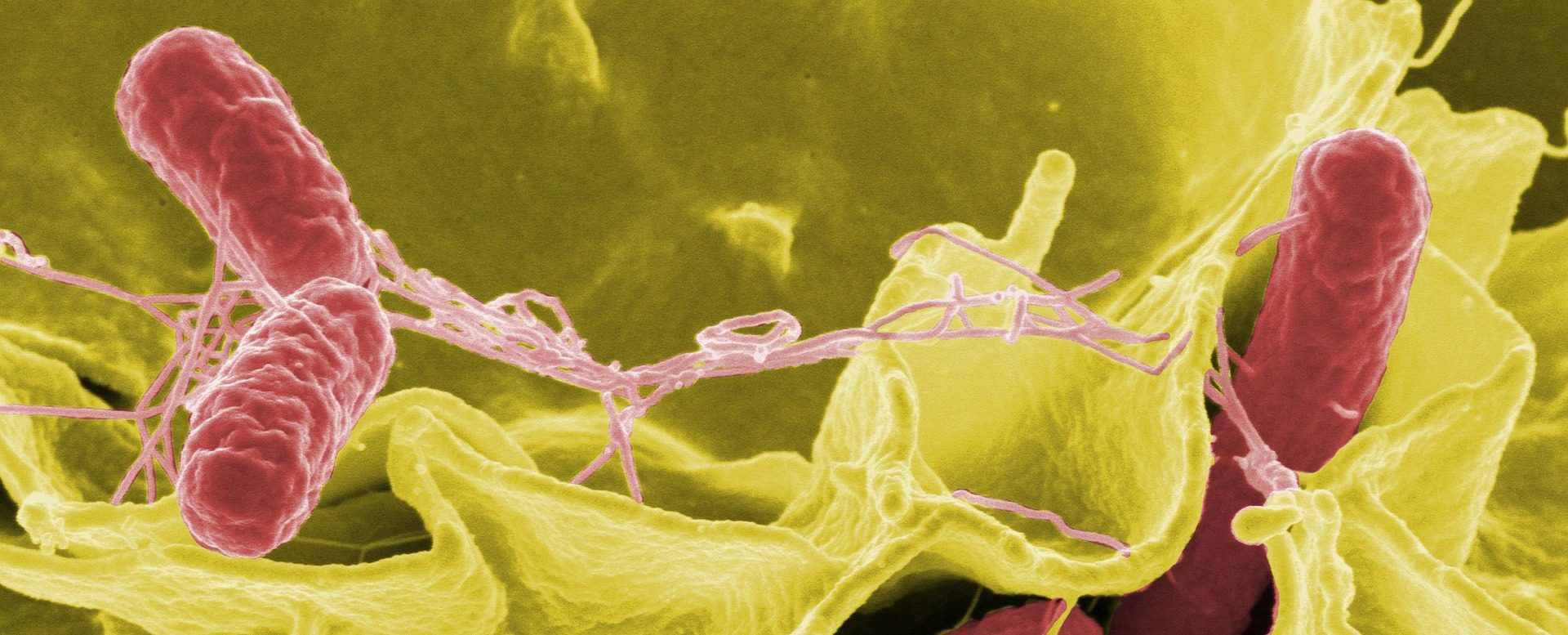
Unlike small blood spots in the yolk, which are safe when cooked, red or pink egg whites signal potential contamination with bacteria such as Salmonella or Pseudomonas.
Health Risks
Consuming contaminated eggs can cause foodborne illness, leading to nausea, vomiting, diarrhoea, abdominal cramps, and fever. Vulnerable groups—children, the elderly, pregnant women, or immunocompromised individuals—face a higher risk of severe illness.
Warning Signs to Check Before Cooking
Discard eggs that show:
- Egg whites with red, pink, green, grey, or iridescent shades
- Unpleasant or sour odour
- Egg whites that are watery, slimy, or unusually runny
- Cracks, leaks, or damage in the shell
Never taste or cook eggs that display these signs.
Tips to Keep Eggs Safe
- Store eggs in the refrigerator (1°C–5°C)
- Inspect each egg for cracks or unusual appearance
- Cook eggs thoroughly until both yolk and white are firm
- Sanitise hands, utensils, and surfaces after handling raw eggs
- Avoid raw or undercooked eggs, especially for vulnerable individuals
Proper storage and careful inspection prevent bacterial growth while preserving egg quality, safety, and nutrition.
Source: The Times of India