Food Manifest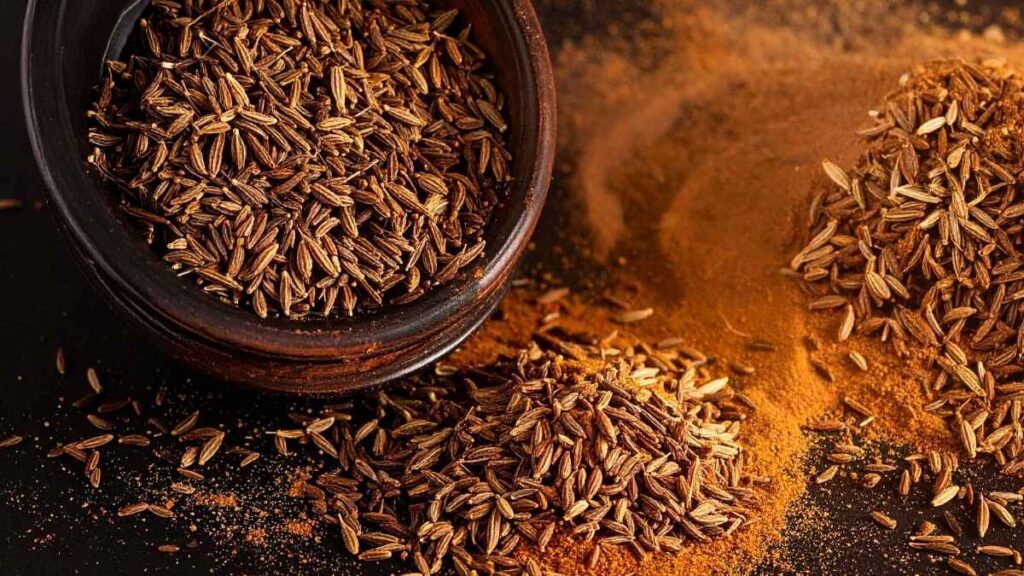
Key Development
Authorities exposed another major food adulteration case in Madhya Pradesh after uncovering clay sold as mustard seeds. In Gwalior, police caught sellers passing off fennel seeds coated with cement, chemicals, artificial colour, and fragrance as cumin. The case has raised fresh concerns about food safety and how easily adulterated spices enter Indian kitchens.
Fennel Seeds Chemically Altered to Mimic Cumin
Investigators found that the sellers provided no genuine cumin. They chemical-coated fennel seeds, coated them with cement, coloured, and polished them to mimic cumin. In some cases, they processed old and spoiled cumin to appear fresh. The sellers packed and transported the adulterated spices like genuine branded products, making it hard for retailers and consumers to spot the fraud.
Authorities Seize 46 Sacks Worth ₹3.25 Lakh
Police teams, alongside local traders and brand representatives, intercepted a consignment at a transport facility in Bahodapur. They seized 46 sacks of adulterated cumin, valued at over ₹3.25 lakh. The shipment was headed from Gwalior to Jhansi, exposing a larger interstate supply network.
Case Registered and Samples Sent for Testing
Authorities registered a case against those involved in producing and distributing fake cumin under a popular brand. They sent the seized stock for laboratory testing and confirmed that they will take further action based on the reports. Officials also verified that the adulterated cumin was produced using cement- and chemical-coated fennel seeds and packed in lookalike branding to deceive buyers.
Health Risks from Cement- and Chemical-Coated Spices
Health experts warn that consuming cement- and chemical-coated spices can harm digestion, liver function, gut health, and overall immunity. Repeated consumption of these substances can cause serious long-term health issues. Authorities note that the adulterated cumin spread easily because of its low price. While genuine branded cumin sells for ₹250–₹450 per kg, the fake version sells at ₹150–₹180 per kg. The lower price and familiar packaging attracted retailers and unsuspecting consumers.
Food Safety Alert
With repeated incidents of adulterated spices across states, this case highlights the urgent need for stricter enforcement, tighter supply-chain checks, and greater consumer awareness to ensure food safety.
Source: The Economic Times