Food Manifest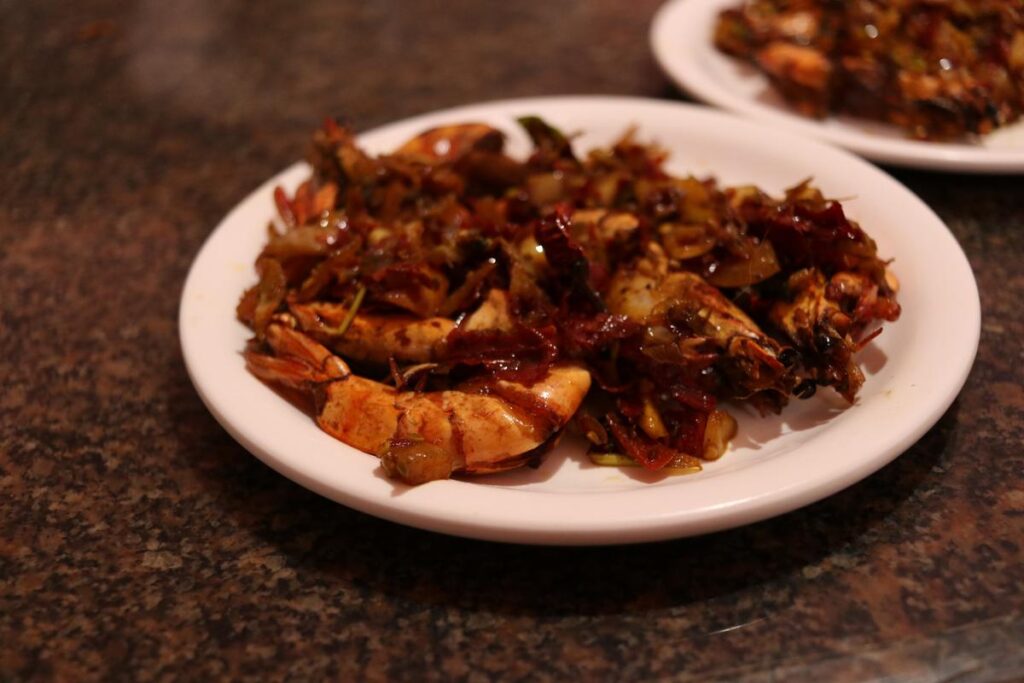
Key Development
The recent deaths linked to a hotel in Vizhinjam have brought serious lapses in food safety enforcement to light. The Food Safety Department, which must ensure hygienic food service and regular monitoring, has not deployed adequate staff to conduct routine inspections.
In several constituencies, a single food safety officer oversees all food establishments. The Kovalam constituency, which includes Vizhinjam, faces the same shortage. As a busy tourist destination with heavy dining traffic, the region requires frequent and strict inspections. However, limited manpower has weakened consistent monitoring and preventive oversight.
Unlicensed Operation Raises Red Flags
Police inspections conducted after the incident revealed that the hotel “Asmak” operated without a valid licence. Authorities identified this violation during a post-incident check.
Operating without a licence signals a serious regulatory failure. Licensing ensures that hotels follow hygiene standards, maintain proper storage conditions, and adopt safe food handling practices under the Food Safety and Standards Act. When establishments function without approval, they escape routine scrutiny and weaken the enforcement system designed to protect consumers.
Seafood Handling Demands Strict Control
Vizhinjam has built a reputation as a seafood hub. Many restaurants open in the afternoon and operate until midnight, serving hundreds of customers daily. These establishments attract visitors from across the district by promoting freshly caught fish.
Seafood, however, remains highly perishable and requires strict temperature control, clean ice, proper storage, and hygienic handling. Any break in the cold chain, cross-contamination, or improper preservation can quickly increase the risk of foodborne illness. When large crowds and extended working hours combine with limited inspection capacity, the risk multiplies.
Authorities Send Samples for Testing
Following the incident, officials from the police, municipal health department, and fisheries department inspected the hotel premises. Authorities collected samples of the fish dishes consumed by the affected family, along with raw fish varieties such as ‘Vilameen’ (reef fish species), ‘Hamour’ (grouper fish), and ‘Chemballi’ (red Snapper). They also collected samples of the ice used to store the fish and sent them for laboratory analysis to check for contamination or spoilage.
As investigations continue, the incident highlights the urgent need to strengthen preventive inspections, enforce licensing norms, and improve monitoring in high-footfall food zones. Strong food safety systems protect consumers, support responsible businesses, and safeguard the reputation of tourism-driven regions.
Source: Manorama online