Food Manifest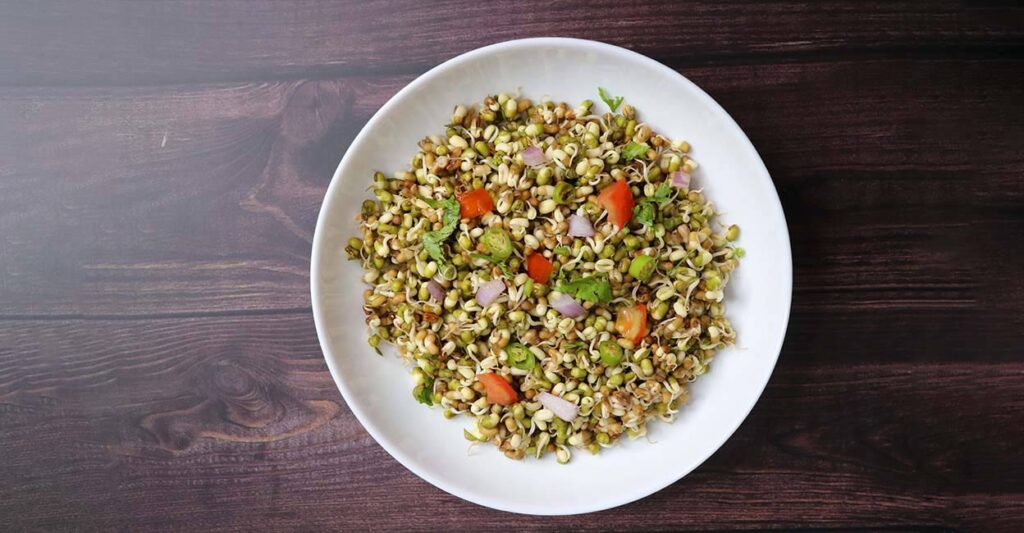
Overview
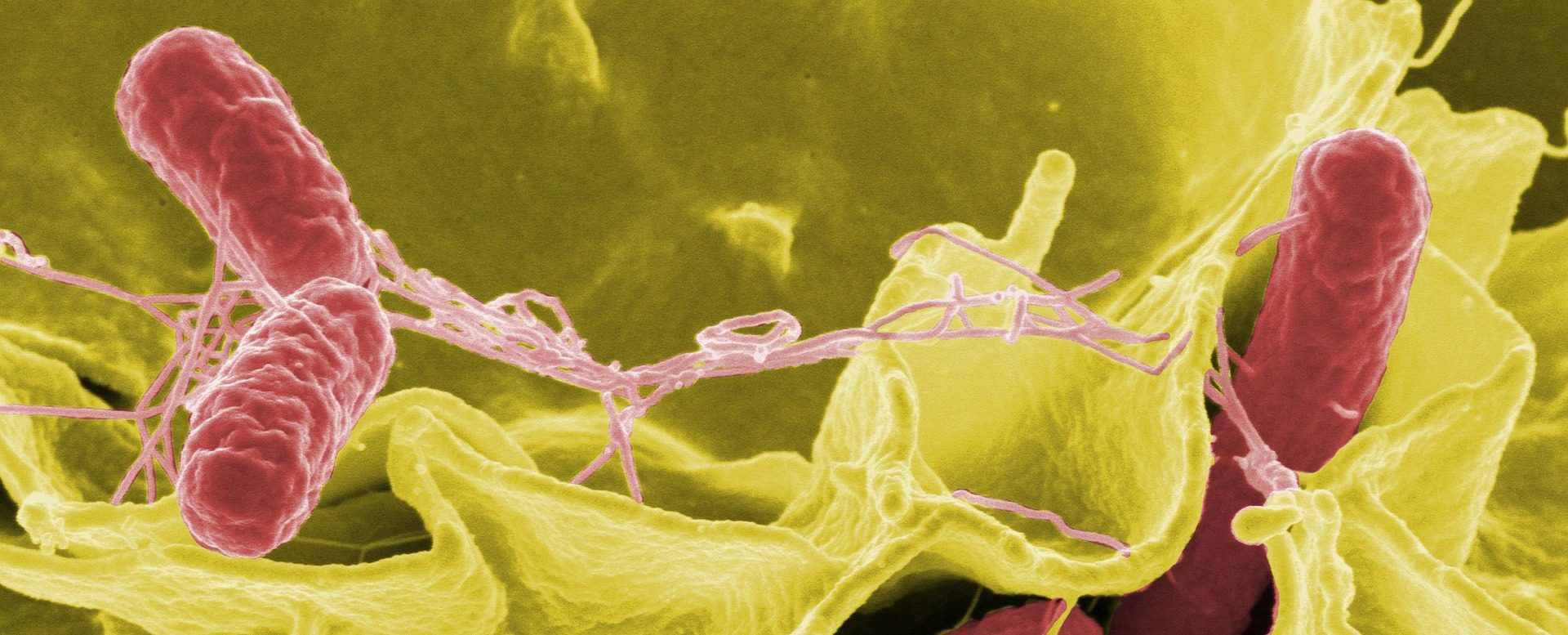
Cooking food at the correct temperature is not optional — it is essential. When you undercook food, bacteria and other microorganisms multiply quickly and turn it unsafe. Many people assume that only meat dishes pose a risk. However, even something as simple as the salad served alongside biryani can cause food poisoning. According to Dr P. V. Benny, Chairman of the Food Safety Division of the Indian Medical Association (IMA) and Head of the Department of Community Medicine at Sree Gokulam Medical College, people often underestimate the risks linked to raw side dishes.
Raw Salads: Small Portion, Big Risk
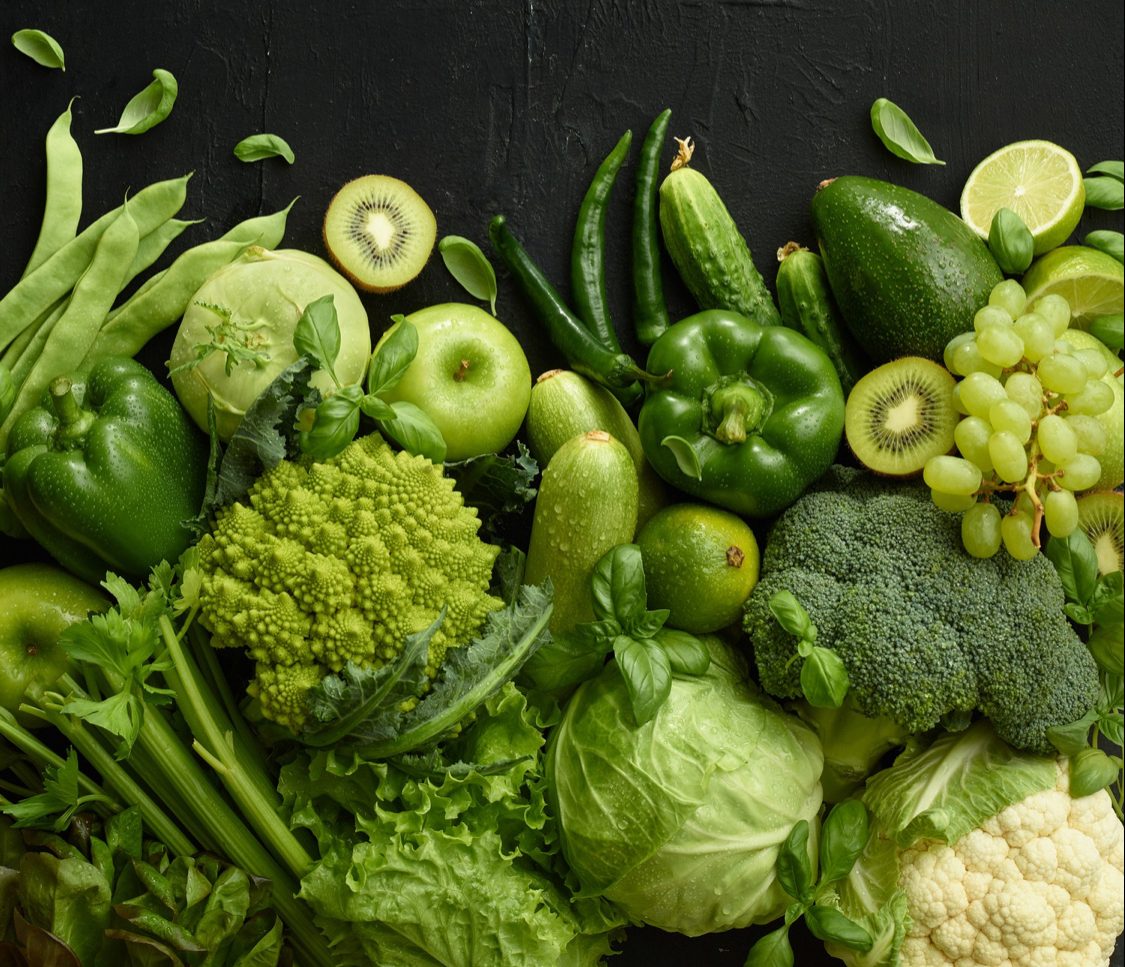
Raw salads may look fresh and harmless, but they can carry hidden dangers. Onions, a common ingredient in salads, are often grown in contaminated soil or irrigated with water that is unsafe to drink. If vendors fail to peel and wash them properly before slicing and serving, harmful bacteria can easily enter the body. The risk does not stop with onions. Other uncooked vegetables and contaminated water can also introduce bacteria. Since these foods do not undergo heat treatment, proper washing and safe handling become critical.
Hygiene and Food Handling Matter
Beyond ingredients, food handling practices play a major role in safety. When cooks and servers neglect personal hygiene, contamination becomes more likely.
Unsafe kitchen practices further increase the risk. Reusing cooking oil multiple times, storing meat improperly, or serving stale meat can all lead to foodborne illness. In dishes like shawarma, some outlets use low-quality or partially spoiled meat. Spices and marinades often mask the smell and taste of spoilage, making it difficult for consumers to identify the problem. As a result, the danger goes unnoticed until illness occurs.
Prevention Begins with Accountability
Preventing food poisoning requires responsibility at every level. Authorities must ensure that restaurants obtain proper certification and comply with food safety standards. At the same time, restaurant owners should conduct regular health check-ups for staff and enforce strict hygiene practices. Maintaining clean kitchens, surroundings, and restrooms is equally important. When establishments combine proper cooking, safe ingredient handling, and good hygiene, they significantly reduce health risks. Safe food does not happen by accident — it results from consistent care, informed practices, and shared responsibility.
Source: Manoramaonline