Food Manifest
Something is quietly changing in the way we eat, and most of us barely notice it. Across India, concerns about food adulteration and the growing dependence on ultra-processed foods are steadily rising. Many everyday staples — from milk and spices to packaged snacks and meat products — are no longer as wholesome as they once were. Reports increasingly point to pesticide residues, additives, antibiotic traces, and other contaminants entering the food chain. At the same time, heavy processing often strips away natural nutrients. This shift is not about creating fear. It is about recognising the change and understanding why food safety now matters more than ever.
From Nourishment to Chemical Exposure
Food used to be simple. Today, it often travels through long supply chains — farm, storage, transport, processing, packaging, and retail. At each stage, the risk of contamination or quality compromise increases. Testing reports across the country have flagged concerns such as:
- Milk adulteration
- High pesticide residues in fruits and vegetables
- Antibiotic traces in poultry
- Heavy metals in seafood
- Artificial preservatives and additives in processed foods
When exposure happens occasionally, the body can cope. But when small amounts enter our diet daily, it becomes what experts describe as “chronic low-dose exposure.”
Are We Eating More but Getting Less?
Here’s where the real concern begins. Many ultra-processed foods are high in calories but low in real nutrition. During heavy refining, foods lose fibre, natural vitamins, and protective plant compounds. What gets added instead? Preservatives, colour enhancers, stabilisers, artificial flavours, and excess salt or sugar. In adulteration cases, genuine ingredients are sometimes diluted or replaced.
- Milk mixed with water reduces protein content.
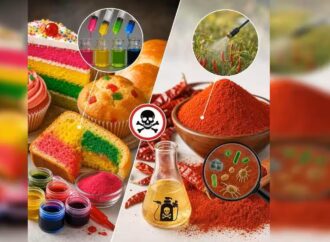
- Spices blended with synthetic dyes lose their natural antioxidant value.
- Oils mixed with cheaper fats lose their nutritional quality.
So while our plates may look full, the nutritional density quietly drops. At the same time, chemical exposure increases through pesticide residues, antibiotic overuse, and processing additives. That’s the paradox: more calories, fewer nutrients.
The Impact on Health
Over time, this imbalance does not remain invisible. It can:
-
Disrupts hormonal balance
-
Trigger chronic inflammation
-
Weaken gut health
-
Increase the risk of obesity, diabetes, fatty liver disease, and heart conditions
Health experts now stress that many lifestyle diseases are not caused by genetics alone. Environmental exposure and daily dietary patterns play a major role in shaping long-term health outcomes.
For instance, the World Health Organisation has identified antimicrobial resistance — driven in part by excessive antibiotic use in animal farming — as one of the top global health threats. What begins at the production level eventually reaches our plates and, over time, affects public health at large. That is why food safety goes beyond preventing food poisoning. It is about limiting long-term exposure to harmful residues, additives, and contaminants.
Stronger traceability systems, transparent labelling, tighter monitoring of pesticide and antibiotic use, and strict enforcement against adulteration are essential. In many ways, food policy acts as preventive healthcare — protecting people long before disease develops.
What Can Consumers Do?
While larger reforms take time, small daily choices matter:
- Choose fresh, minimally processed foods when possible
- Reduce frequent consumption of packaged and ultra-processed meats
- Buy from trusted, traceable sources
- Wash fruits and vegetables thoroughly
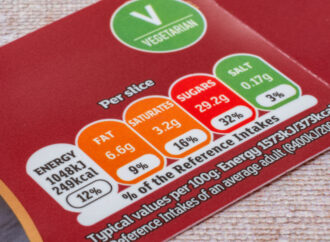
- Read labels carefully