Food Manifest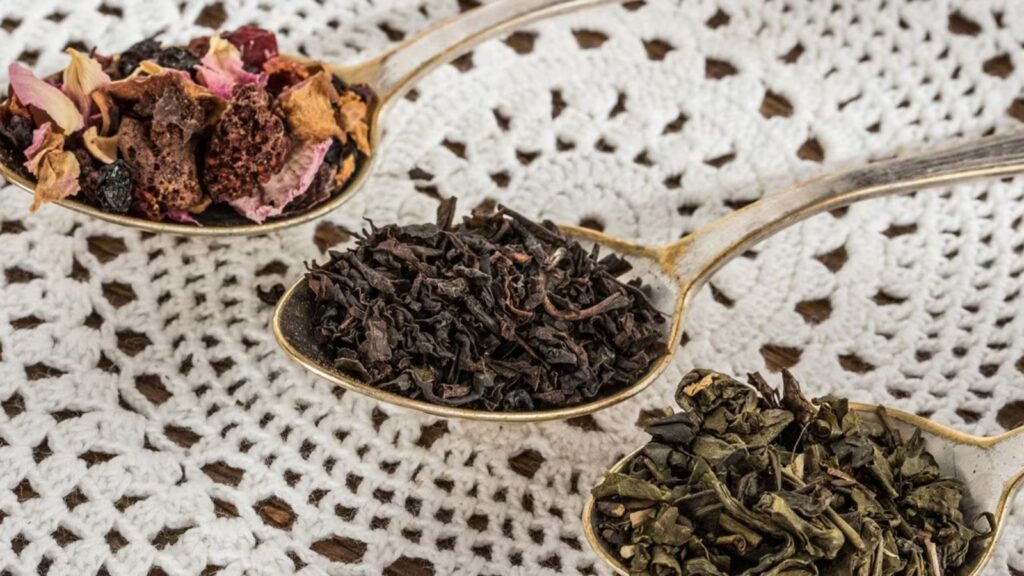
Key Update
A consumer watchdog has found that only two out of more than a dozen popular packaged tea brands comply with recognised labelling standards, even though none of the samples tested showed signs of adulteration. The Consumer Education and Research Centre (CERC) tested several well-known tea brands and found widespread non-compliance with clear ingredient disclosure requirements, raising concerns about consumer awareness and product transparency.
No Adulteration Found, But Labels Lack Clarity
CERC carried out tests on packaged teas from brands including Himalaya Tea, Tetley, Gaia Tea, Girnar, Lipton, Vatan Tea, Wagh Bakri Tea, Navchetan Tea, Jivraj 9 Tea, Tulsi Tea, and Agni Tea. All samples were free from common adulterants such as used tea leaves, artificial colours, metal filings, sand, and starch, the forum said. However, only Himalaya Tea and Wagh Bakri Tea clearly identified Camellia sinensis — the source plant for true tea — on their ingredient lists, as recommended for consumer clarity. Most other brands did not specify the plant name, leaving buyers uncertain whether they were purchasing genuine tea or herbal infusions.
Experts Call for Clearer Labels
Consumer officials told reporters that explicit labelling helps shoppers distinguish between real tea and other plant-based beverages, especially as herbal teas and infusions gain popularity. Although the Food Safety and Standards Authority of India (FSSAI) has not yet mandated inclusion of the botanical source name on labels, officials said doing so would strengthen transparency.
CERC CEO Anindita Mehta emphasised that clear ingredient disclosure is essential for informed consumer choice. She urged shoppers to read labels carefully to ensure they understand exactly what they are drinking. Mehta also noted that recent FSSAI directives require manufacturers to adhere to updated labelling norms and stressed the need for better compliance.
Taking Consumer Awareness Forward
The forum’s findings highlight a gap between product safety and product information. While the absence of adulterants offers reassurance on quality, experts say incomplete labelling undermines informed decision-making and consumer trust. Officials called on brands to adopt clearer labelling practices ahead of regulatory updates and encouraged consumers to prioritise products with transparent ingredient lists.
Source: The Indian Express