Food Manifest
Key Update
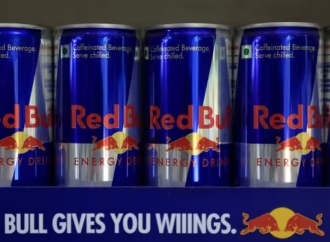
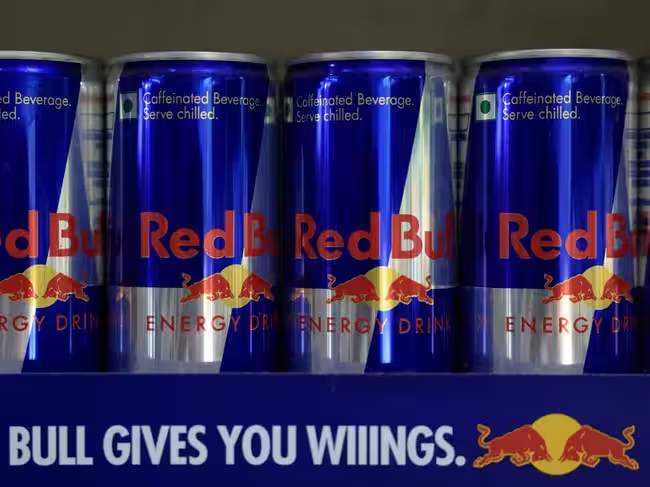
India’s food safety regulator has questioned Red Bull‘s nutritional composition, raising concerns that its ‘energy drink’ label could mislead consumers about the source of its energy. In a confidential notice to the Austrian beverage company, the Food Safety and Standards Authority of India (FSSAI) flagged the drink’s substantial added sugar content, noting that sugar contributes significantly to its declared energy value.
The regulator has asked Red Bull to provide scientific and regulatory evidence to support its energy-related positioning. It has also given the company seven days to explain why it should not prohibit the use of the ‘energy drink’ label on the product.
FSSAI Questions Red Bull’s Sugar Advisory
Alongside its concerns over the product label, the FSSAI has questioned Red Bull’s consumption advisory, which recommends limiting daily intake to 500 ml. The regulator argued that this guidance could mislead consumers about acceptable sugar intake.
According to the notice reviewed by Reuters, Red Bull contains 11 g of sugar per 100 ml. A 500 ml serving would therefore deliver approximately 55 g of sugar, exceeding the generally recommended daily limit of 50 g. Health experts have also raised concerns about energy drinks because of their high sugar and caffeine content, as well as ingredients such as taurine, whose potential health effects researchers continue to examine.
Red Bull and Other Beverage Companies Challenge FSSAI
The latest notice adds another dimension to a regulatory dispute that began in June, when the FSSAI restricted the use of the term ‘energy drinks’. Red Bull, PepsiCo, Monster Beverage and Reliance Consumer subsequently challenged the decision before the Delhi High Court, arguing that the regulator introduced the restrictions without giving them prior notice.
During the proceedings, Red Bull secured an interim court injunction allowing it to continue using the label. Meanwhile, the court directed other companies to discontinue its use after selling their existing stock. The FSSAI has since asked the Delhi High Court to review the relief granted to Red Bull, arguing that it gives the company an unfair commercial advantage over its competitors. The court is scheduled to hear the matter in January.
India’s Energy Drinks Market Continues to Grow
The regulatory dispute comes amid rapid growth in India’s energy drinks market. According to Euromonitor, the market could reach $1.6 billion by 2028, with annual growth of 12.6%, outpacing the markets in the United States and China. Red Bull generated $130 million in revenue in India in 2024, more than double its earnings four years earlier.
As the market expands, the FSSAI is stepping up scrutiny of food and beverage labels, nutritional claims and consumer protection. The regulator is also intensifying nationwide inspections to check hygiene and food safety compliance across restaurants and food businesses.
Source: The Economic Times