Food Manifest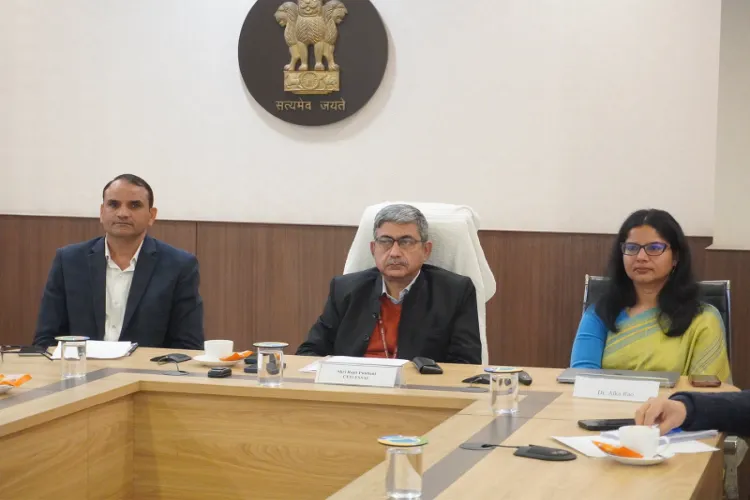
Key Development
FSSAI CEO Rajit Punhani inaugurated a first-of-its-kind pilot training programme on food safety risk assessment, jointly developed by FSSAI and the World Health Organisation (WHO). The programme offers a structured curriculum from basic to advanced levels, aligned with international risk analysis principles and tailored to India’s regulatory needs. FSSAI aims to strengthen risk assessment capacity amid challenges such as emerging contaminants, antimicrobial resistance, technological change, and evolving diets.
Expert-Led Training Modules
A key component is Dietary Exposure Assessment, developed with WHO support and delivered by experts from JECFA, JEMRA, and JMPR, linking hazard data with India-specific food consumption patterns. Additional modules cover Microbiological Risk Assessment, Antimicrobial Resistance, and Toxicology, led by Indian experts from WHO committees, FSSAI Scientific Panels, and national institutions. The programme combines theory with case studies and scenario-based exercises.
Digital Learning Platform
FSSAI has launched a dedicated digital training portal to host modules, expert sessions, and future programmes, creating a long-term institutional learning platform.
Focus on Regulatory Credibility
Punhani stressed that risk assessment is central to modern food regulation and said investing in scientific capacity is key to strengthening consumer confidence and regulatory credibility. The programme will be institutionalised as a regular regulatory practice.
Global Collaboration
WHO officials reaffirmed support for India’s capacity-building efforts, noting that India is the first country where the WHO has partnered with a national food authority on such a comprehensive programme.