Food Manifest
Significant Update
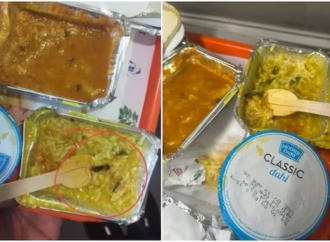
Food served in school and college canteens should be safe and hygienic. However, several incidents reported across India in the past 20 months have raised concerns about food safety in campus kitchens. More than 50 cases of hygiene lapses have surfaced from educational institutions across the country. Students have repeatedly complained about insects, foreign objects, and poor sanitation in meals served at hostel messes and canteens.
Incidents Reported Across Campuses
In Bhopal, students at Rajiv Gandhi Proudyogiki Vishwavidyalaya recently alleged that they found what looked like a dead lizard in their meal. A video of the incident circulated online, showing a canteen worker claiming it was a piece of capsicum and attempting to eat it. The university later formed an inquiry committee to investigate the matter. At AIIMS Nagpur, students reported finding a deep-fried caterpillar, insects on fruit, and other foreign objects in food served at the hostel mess. Students said similar complaints had been raised earlier as well.
In Greater Noida, food safety officials inspected the hostel kitchen at Lloyd College after students complained about insects in their meals. Inspectors found poor sanitation and violations of basic hygiene practices and issued notices to the management. Other institutions have reported similar concerns. Students at IIIT Hyderabad complained about cockroaches and flies in meals served at the mess. In Bihar’s Banka district, students at a government engineering college claimed they found pieces resembling a snake in their food. At least 11 students reportedly fell ill after eating the meal and needed medical attention.
Complaints Continue in Several Institutions
More complaints have emerged from campuses in different parts of the country. At Osmania University in Hyderabad, students staged protests after alleging worms in hostel food. Several students reported falling ill and said the issue had continued for months. Students at Savitribai Phule Pune University also reported repeated cases of worms, hair, and other foreign objects in food served at campus canteens. In Bhubaneswar’s BJB College, students said authorities ignored repeated complaints about insects in meals until protests intensified. A similar protest took place at Acharya Nagarjuna University in Andhra Pradesh over poor food quality in the hostel mess. Food safety concerns have also appeared in schools. In a Noida-based school, officials found insects in rice served under the mid-day meal programme during an inspection.
Food Safety Oversight Under Scrutiny
India has clear food safety regulations under the Food Safety and Standards Authority of India (FSSAI). These rules require food operators to maintain proper hygiene, safe storage, and quality standards. However, repeated incidents in campus kitchens suggest that enforcement remains inconsistent. In many cases, inspections take place only after students raise complaints. Many institutions also outsource food services to private vendors. This arrangement can create confusion over responsibility when hygiene problems occur.
Protecting Student Health
Unsafe food can cause stomach infections, food poisoning, and other health problems. For hostel students, the risk becomes higher because they depend on campus kitchens for their daily meals. Frequent complaints about food quality also affect students’ confidence in hostel dining. Many students begin relying on outside food, which increases expenses and may not always provide balanced nutrition.
The Way Forward
Educational institutions, vendors, and regulators must work together to improve food safety in campus kitchens. Regular inspections, better monitoring of vendors, and quick action on complaints can help prevent such incidents. Safe food is not a luxury in educational institutions—it is a basic requirement for protecting student health and well-being.